From the archive
Iran-US Peace Talks Held in Doha Amidst Ongoing Conflict
Iran and US envoys met in Doha to discuss a potential peace deal and lifting the Strait of Hormuz blockade, though an agreement is not imminent.
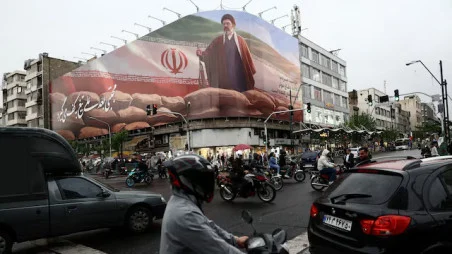
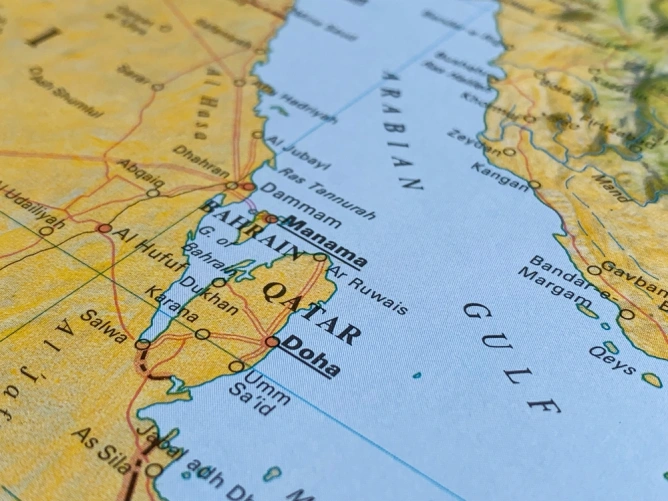
Iran's top negotiator and its foreign minister traveled to Doha for discussions with Qatar's prime minister regarding a potential deal with the United States, amidst a three-month ongoing conflict between the two nations. The high-level delegation from Iran engaged in these critical talks in the Qatari capital, seeking a resolution to the protracted tensions. The proposed memorandum of understanding, comprising 14 points, aims to end the war and lift the US naval blockade of the Strait of Hormuz. This full document outlines the framework for de-escalation and future cooperation between the two countries. In return, Iran would commit to ensuring safe transit through the strategic waterway, a key artery for global energy supplies. Iran's foreign ministry spokesperson, Esmaeil Baghaei, stated that while "a conclusion had been reached on many topics," this "does not mean that 'we're close to signing an agreement.'" His remarks showed the complexity of the negotiations and the remaining hurdles despite progress on certain fronts.
Key Issues Under Discussion
Discussions in Doha centered primarily on the Strait of Hormuz and Iran's stockpile of highly enriched uranium. These two issues represent immediate and pressing concerns for both sides. The status of the Strait of Hormuz, a vital maritime chokepoint, is central to the ongoing conflict and its economic implications. Simultaneously, Iran's nuclear program, particularly its accumulation of highly enriched uranium, remains a significant point of contention in international diplomacy. Iran's central bank governor joined the delegation to address the potential release of frozen Iranian funds. The presence of the central bank governor notes the economic dimensions of the talks, as Iran seeks access to its assets held abroad. These talks were not yet focusing on broader nuclear issues, which are slated for negotiation over a 60-day period should a framework accord be reached. This phased approach indicates a deliberate strategy to first establish a foundational agreement before delving into the more intricate aspects of Iran's nuclear activities.
The Strait of Hormuz has been effectively closed since the US and Israel initiated strikes on Iran on February 28. This closure has severely disrupted global shipping and energy markets. Approximately a fifth of the world's oil and liquefied gas typically transits through the Strait of Hormuz, making its accessibility critical for international trade and energy security. The blockade has had broad consequences, impacting crude oil prices and supply chains worldwide. Iran's state TV reported on Monday that 32 vessels and five oil tankers had passed through the Strait of Hormuz in the preceding 24 hours. These passages occurred with the authorization of Iran's Revolutionary Guards naval forces, indicating a limited, controlled movement under specific conditions. The ability of Iran to authorize such passages points to its effective control over the waterway despite the US naval blockade.
US Diplomatic Stance
US Secretary of State Marco Rubio stated that the United States would give diplomacy every chance to succeed, emphasizing that "the US would give diplomacy every chance to succeed before considering whether to deal with Iran in 'another way.'" This declaration from Secretary Rubio, made to reporters in New Delhi, showed the Biden administration's commitment to a diplomatic resolution, while also hinting at potential alternative actions if negotiations falter. Rubio added that there was a "pretty solid thing on the table in terms of their ability to open up the strait, get the strait (of Hormuz) open, enter into a very real, significant, time-limited negotiation on the nuclear matter, and hopefully we can pull it off." His comments reflected a cautious optimism regarding the potential for a breakthrough, particularly concerning the Strait of Hormuz and the initiation of nuclear talks.
US President Donald Trump commented that talks with Iran were going "nicely," but he cautioned against potential fresh attacks should the negotiations fail. President Trump's remarks conveyed a sense of progress in the discussions but also noted the precarious nature of the diplomatic efforts. He further stated that it "will only be a Great Deal for all, or no Deal at all," emphasizing the high stakes and the administration's firm stance on the terms of any agreement. Additionally, President Trump urged more Arab and Muslim states to sign up to the Abraham Accords, advocating for broader regional normalization and stability. Separately, Iran announced it had downed a "hostile" stealth drone using a new air defense system, a development that occurred amidst the ongoing diplomatic efforts. This incident served as a stark reminder of the underlying military tensions despite the ongoing peace talks. The successful downing of the drone demonstrated Iran's defensive capabilities and its vigilance in safeguarding its airspace.
Market and Geopolitical Impact
Oil prices experienced a significant decline on Monday, falling more than 4% to reach two-week lows. This market reaction was attributed to growing optimism that the United States and Iran could be nearing a potential agreement following peace talks in Doha. The prospect of a deal between the two nations appeared to alleviate some concerns in the global energy market, given the ongoing conflict and its implications for oil supply. The drop in prices reflected investor anticipation that a resolution could stabilize crude flows, particularly from the Middle East, which is a critical source of global energy. The market's immediate response showed the profound impact that geopolitical developments in the region have on international commodity prices. A lasting agreement could potentially restore stability to the Strait of Hormuz, allowing for unimpeded passage of oil and gas, thereby easing supply fears.
Broader Context and Hurdles
The two sides involved in discussions confront significant disagreements on several key issues. These include Iran's nuclear ambitions, Israel's ongoing conflict in Lebanon with the Iranian-backed Hezbollah militia, and Tehran's demands regarding the lifting of sanctions. Iran also seeks the release of tens of billions of dollars of its oil revenues that remain frozen in foreign banks. These financial assets are a key point of contention, as their release would provide significant economic relief to Iran. Resolving these entrenched positions represents a primary challenge in the diplomatic efforts, requiring substantial concessions and creative solutions from both parties. The intertwined nature of these issues, ranging from regional security to economic sanctions, complicates the path to a full agreement. The negotiations are therefore not just about a bilateral understanding but also have broader implications for regional stability and international relations. The intricate web of alliances and rivalries in the Middle East further adds layers of complexity to achieving a lasting peace.