From the archive
Qatar Denies Offering $12 Billion to Iran Amid US Talks
Qatar denies reports it offered $12 billion to Iran, calling the allegations false and detrimental to delicate diplomatic processes amid US talks.
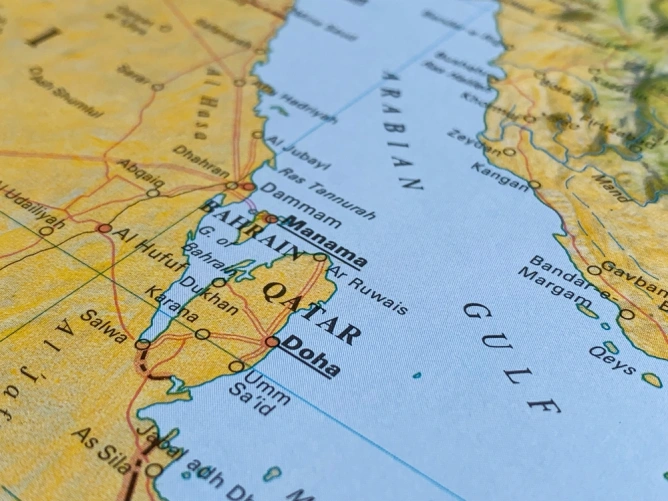
Qatar has emphatically denied recent reports alleging that it offered a substantial sum of $12 billion to Iran. The Qatari government, through an official statement, firmly asserted that any information claiming such an offer was entirely false. This categorical denial from Doha arrives amidst a period of intensive and ongoing discussions involving the United States and other regional stakeholders, all centered on addressing critical regional issues and fostering stability. The Qatari foreign ministry showed the gravity of the situation, noting that the propagation of such inaccurate information could severely impede delicate diplomatic processes.
Denial of Bribery Allegations
In its detailed statement, Qatar clarified that the false information regarding the alleged $12 billion offer is being disseminated by individuals and entities who demonstrably aim to sabotage diplomatic efforts for regional stability. The government stressed that these unfounded claims are not only inaccurate but are also profoundly detrimental to the ongoing discussions and the broader pursuit of peace in the region. Qatar further emphasized its commitment to a collaborative approach, stating that it consistently coordinates its actions with key regional partners. This strategic collaboration, according to the Qatari government, reinforces its long-standing and well-established role as a recognized and credible facilitator of peace and dialogue within the complex regional landscape. The denial serves to clarify Qatar's position and to counter narratives that could undermine its diplomatic standing.
Iran's Demands in Talks
Crucially, the upcoming discussions between the involved parties are officially scheduled to take place in Qatar, serving as a neutral and established venue for high-stakes diplomacy. Within these negotiations, Iranian negotiators are reportedly requesting the unblocking of frozen assets currently held in Qatar. This unblocking is presented by Iran as a fundamental condition for its continued participation in discussions with the United States. These significant demands from Tehran arise amid ongoing and pronounced disagreements between Iran and Washington concerning the precise terms and scope of a potential agreement. The financial discussions are a central component of the broader diplomatic engagement, reflecting the complexities inherent in resolving long-standing issues between the nations.
Negotiation Status and Outlook
The intricate negotiations with Iran are currently ongoing, as confirmed by US Secretary of State Marco Rubio. Secretary Rubio publicly stated, "negotiations with Iran are ongoing, but resolving the divergences could take a few days," indicating the sensitivity and detailed nature of the discussions. The primary objective of these talks is to address various points of contention and to seek common ground, though no specific timeline for a definitive resolution has been provided beyond Secretary Rubio's cautious assessment. A significant diplomatic achievement preceding these talks was the alignment of key regional partners around a preliminary document. This key consensus was facilitated through a series of vital phone calls made by President Trump to several regional leaders. These high-level calls were instrumental in building the necessary support and consensus for the diplomatic efforts to proceed effectively. The financial figure of 12 billion dollars, which Qatar has officially denied as an offer to Iran, remains a point of speculation regarding potential Iranian demands within these broader discussions, despite the official denials from Doha. The ongoing talks show the complex and often challenging diplomatic landscape as all parties involved strive to navigate deep-seated differences and work towards a mutually acceptable resolution.