From the archive
Iran's IRGC Claims Retaliatory Attack on Qatar Airbase
Iran's IRGC claims it targeted U.S. radar and aircraft at al-Udeid airbase in Qatar as retaliation for U.S. strikes on Iran.

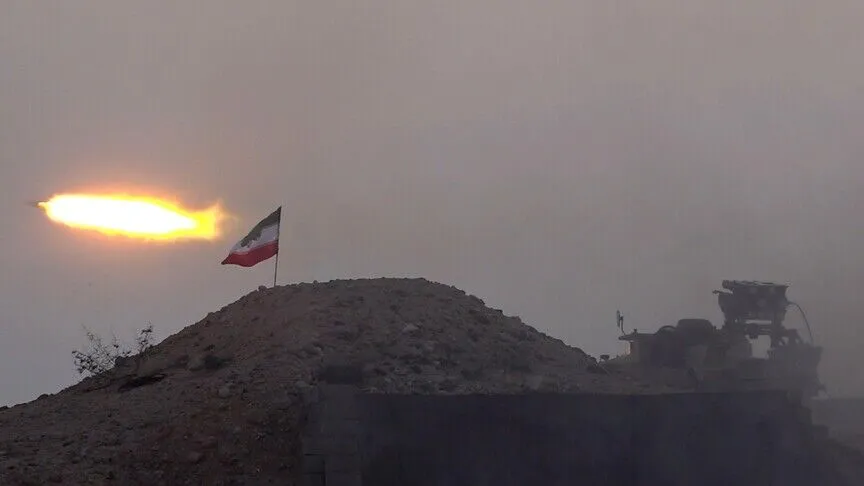
Iran's Islamic Revolutionary Guard Corps (IRGC) announced on Friday that its forces had targeted U.S. Radar systems and military aircraft in Qatar. The IRGC's statement claimed the action was a retaliatory strike, though specific details regarding the location within Qatar or the extent of any damage were not immediately provided. This declaration by the IRGC marks a significant development, alleging direct engagement with U.S. Military assets in the region and escalating rhetoric. The al-Udeid Air Base in Qatar is a major U.S. Military facility in the Middle East, serving as a critical hub for American air operations and command structures in the Persian Gulf. The IRGC did not specify the method of the alleged attack or any casualties, leaving many questions unanswered regarding the veracity and impact of their claims.
IRGC Claims Responsibility
The Islamic Revolutionary Guard Corps (IRGC) declared the alleged attack was intended to 'punish the aggressor' following overnight U.S. Strikes on Iran. This assertion places the alleged operation within a broader context of ongoing tensions and reciprocal actions between the two nations. The IRGC released a statement claiming responsibility for the operation, asserting its forces were directly involved. It specified that the action was a continuation of previous retaliatory measures, suggesting a pattern of response to perceived aggressions. The IRGC's public announcement showed its intent to demonstrate its capability and resolve in the face of U.S. Military actions.
The IRGC stated, "In continuation of last night's retaliatory operations, the brave fighters of the IRGC's Aerospace Force... Carried out a heavy and surprise attack on the U.S. Airbase at al-Udeid, Qatar, to punish the aggressor and the child-killing U.S. Military." This statement directly linked the purported strike to a response against U.S. Military actions, framing it as a direct and punitive measure. The IRGC framed the operation as a punitive measure, explicitly citing the overnight U.S. Strikes on Iran as the provocation for their alleged actions. The use of strong language such as "child-killing U.S. Military" notes the highly charged nature of the IRGC's communication regarding this incident.
Context of Retaliation
The Islamic Revolutionary Guard Corps's Aerospace Force claimed it executed a "heavy and surprise attack" on the U.S. Airbase at al-Udeid in Qatar. This claim of a "surprise attack" implies a deliberate and calculated effort to bypass U.S. Defenses. The IRGC stated, "In continuation of last night's retaliatory operations, the brave fighters of the IRGC's Aerospace Force... Carried out a heavy and surprise attack on the U.S. Airbase at al-Udeid, Qatar, to punish the aggressor and the child-killing U.S. Military." This declaration from the IRGC positioned the alleged strike as a punitive measure, directly linking it to prior U.S. Military activities. The action was framed by the IRGC as a direct response intended to "punish the aggressor," indicating a tit-for-tat dynamic in the ongoing regional tensions. The IRGC's emphasis on "retaliatory operations" suggests that the alleged strike is part of a series of responses rather than an isolated event.
Details of the Attack
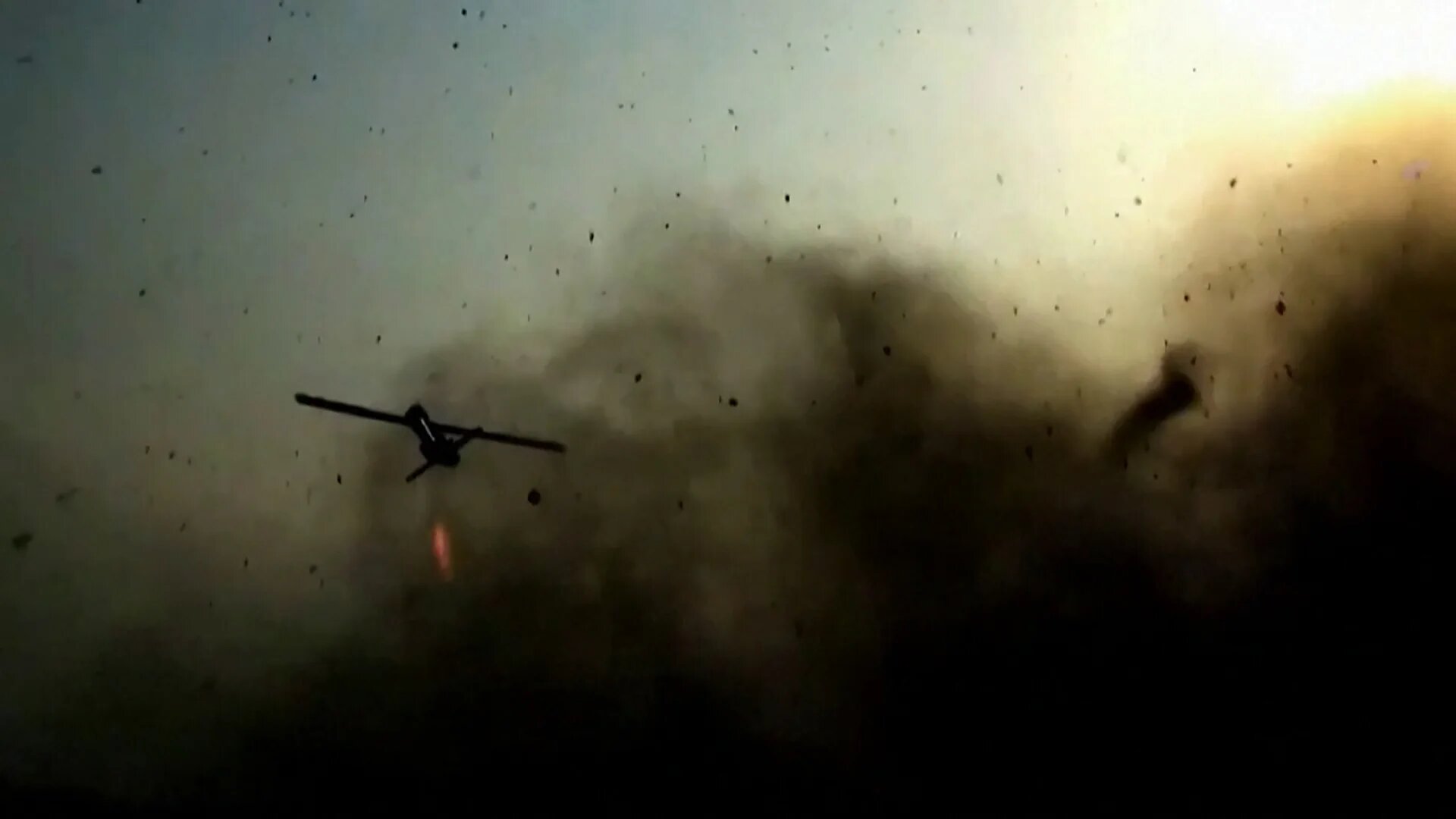
The alleged attack by Iran's Islamic Revolutionary Guard Corps (IRGC) specifically targeted U.S. Radar systems and military aircraft, according to the IRGC's own statements. The IRGC claimed its forces launched a "heavy and surprise attack" on the U.S. Airbase at al-Udeid in Qatar. This action was framed by the IRGC as a retaliatory measure, directly responding to previous U.S. Military actions. The statement from the IRGC did not provide further details on the specific types of radar systems or military aircraft that were targeted, nor did it specify the methods used in the alleged assault, such as missiles, drones, or other means. No information was released regarding the extent of any damage or potential casualties resulting from the reported strike, leading to uncertainty about the actual impact of the claimed operation. The lack of concrete evidence from the IRGC or independent verification makes it difficult to assess the full scope and success of the alleged attack.
Broader Implications
The publication date of this article is July 17, 2026. The IRGC's public claim of targeting a major U.S. Military installation in Qatar, regardless of verified success, carries significant geopolitical implications. Such an announcement could be intended to project strength and deter further U.S. Actions, or it could signal a dangerous escalation in the already volatile relationship between Iran and the United States in the Middle East. The absence of immediate corroboration or denial from U.S. Or Qatari officials adds to the ambiguity surrounding the incident, creating a climate of uncertainty regarding regional stability.