From the archive
LNG Tanker Arrives in Pakistan Amidst Strait of Hormuz Tensions
A Qatar LNG tanker arrived at Pakistan's Port Qasim, easing gas supply concerns amidst Strait of Hormuz tensions and US-Iran conflict.
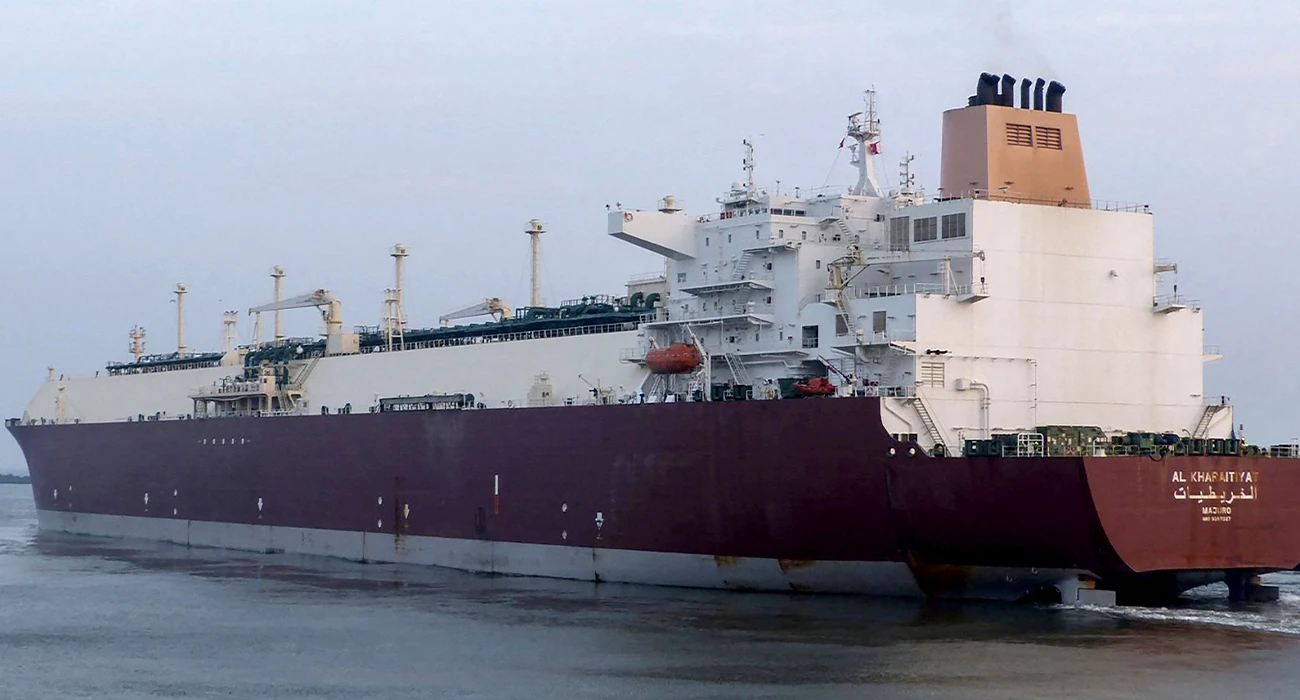
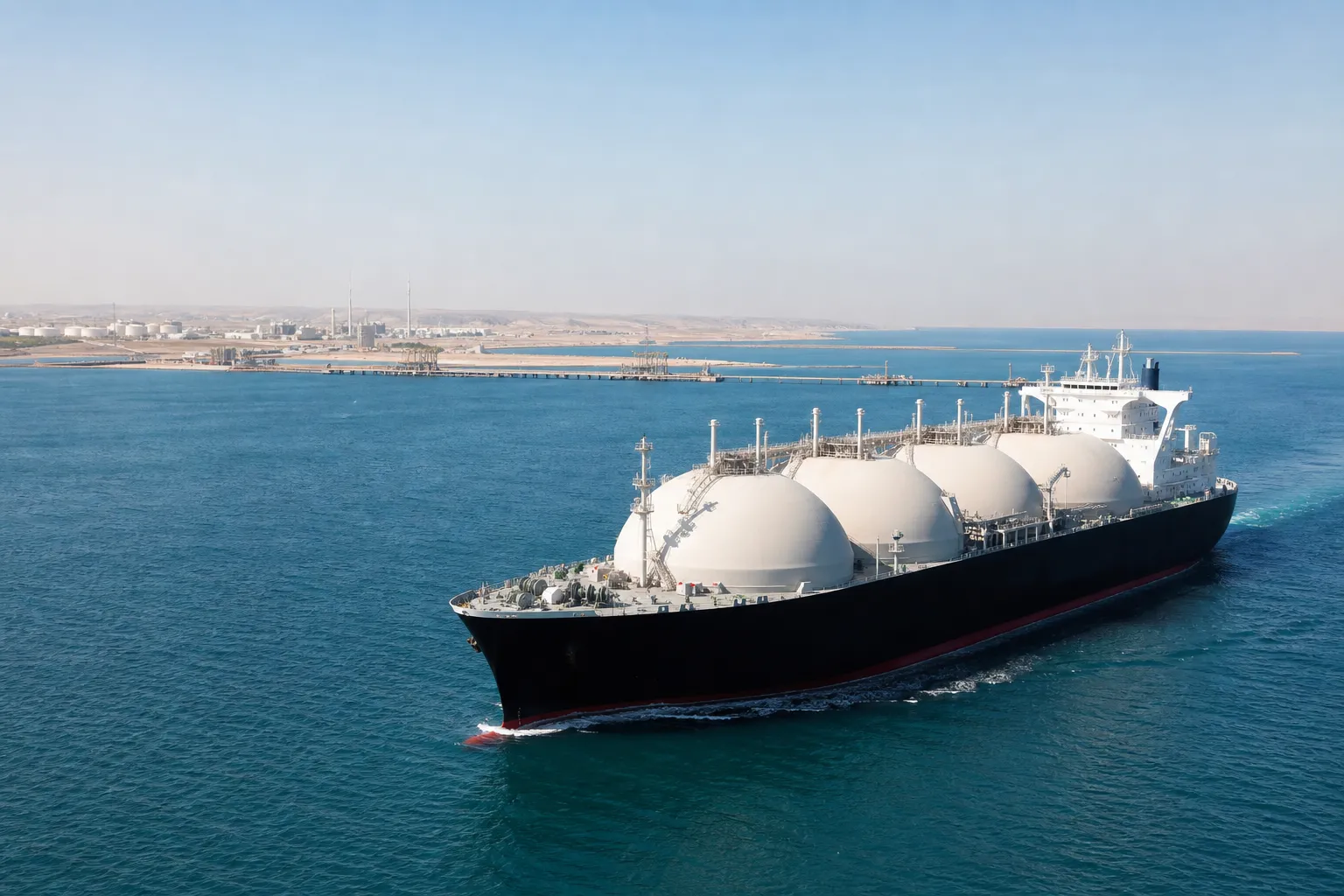
A tanker carrying liquefied natural gas (LNG) from Qatar arrived at Pakistan's Port Qasim on Thursday. The Bahamas-flagged carrier Al Marrouna is scheduled to dock at the Pakistani port, delivering key energy supplies. This arrival occurs as Islamabad has sought to broker a lasting peace deal between the United States and Iran, following the collapse of their interim truce in July. The diplomatic efforts coincide with heightened regional tensions affecting maritime routes, particularly in the strategically vital Strait of Hormuz, through which the tanker crossed.
Cargo Details and Transit
The tanker, carrying approximately 81,936 metric tons of liquefied natural gas (LNG) from Qatar’s Ras Laffan terminal, transited the Strait of Hormuz on September 7. This passage through the critical waterway was a significant detail, given the ongoing regional hostilities and its strategic importance for global energy supplies. Following its journey, the vessel berthed at Port Qasim. Asad Warsi, a spokesperson for the Port Qasim Authority, confirmed the delivery. Warsi stated, "The vessel berthed at Port Qasim (Terminal 2) to discharge a spot cargo shipment from QatarEnergy." The arrival signifies a spot cargo delivery, indicating a single transaction rather than a long-term contractual shipment. The vessel's passage through the Strait of Hormuz is a critical detail, given the strategic importance and recent tensions in the waterway. The LNG cargo is expected to contribute significantly to Pakistan's energy supply, which is heavily reliant on imported fuels.
Energy Security Context
Pakistan imports most of its fuel supplies from the Middle East, with shipments typically transiting the Strait of Hormuz. The nation requires between four and five liquefied natural gas (LNG) cargoes each month to meet its energy demands, particularly from April to August. These consistent deliveries are essential for the operation of Pakistan's approximately 5,000-megawatt LNG-fired power plants, which rely on a steady supply of gas to generate electricity. The successful arrival of the Al Marrouna shows the ongoing efforts to secure these vital energy resources.
The South Asian nation received its last LNG cargo from Qatar in August, which marked the eighth vessel to arrive in Pakistan since April. This consistent flow of shipments notes the country's continuous need for energy imports. Pakistan's electricity generation mix includes 24 percent from hydel sources, 31 percent from coal, one percent from furnace oil, 22 percent from nuclear plants, and 17 percent from gas. The reliance on gas, alongside other sources, makes the timely arrival of LNG cargoes critical for national energy stability. Last month, Islamabad implemented power outages ranging from six to 12 hours in various parts of the country, showing the challenges in maintaining a consistent energy supply and the critical role LNG imports play in mitigating these issues. These outages further emphasize the urgency and importance of securing energy shipments, especially given the current geopolitical climate impacting shipping lanes.
Geopolitical Significance
Maritime trade in the Strait of Hormuz has remained mostly suspended as fighting between Iran and the United States intensifies. Iran has virtually closed the strait since its war with the United States began in February. Despite these challenging conditions, Pakistan has played a key role as a mediator between the United States and Iran, striving to de-escalate tensions and facilitate key movements through the strait. The recent transit of the Al Marrouna, carrying liquefied natural gas (LNG) from Qatar, occurred under a government-to-government arrangement between Islamabad and Doha. This specific agreement facilitated the passage of the critical energy shipment amidst the ongoing regional hostilities, demonstrating the effectiveness of diplomatic channels. The vessel's successful navigation through the strait shows the complex diplomatic efforts undertaken by Pakistan to ensure its energy security and maintain vital supply routes. Islamabad's mediation efforts aim to de-escalate tensions and maintain vital supply routes for its energy security, acknowledging the broader implications of regional stability on global trade and energy markets.