From the archive
Pakistan Awaits Qatari LNG to Ease Energy Crisis
Pakistan awaits Qatari LNG tankers this month to help alleviate its energy crisis and address persistent domestic supply shortages.
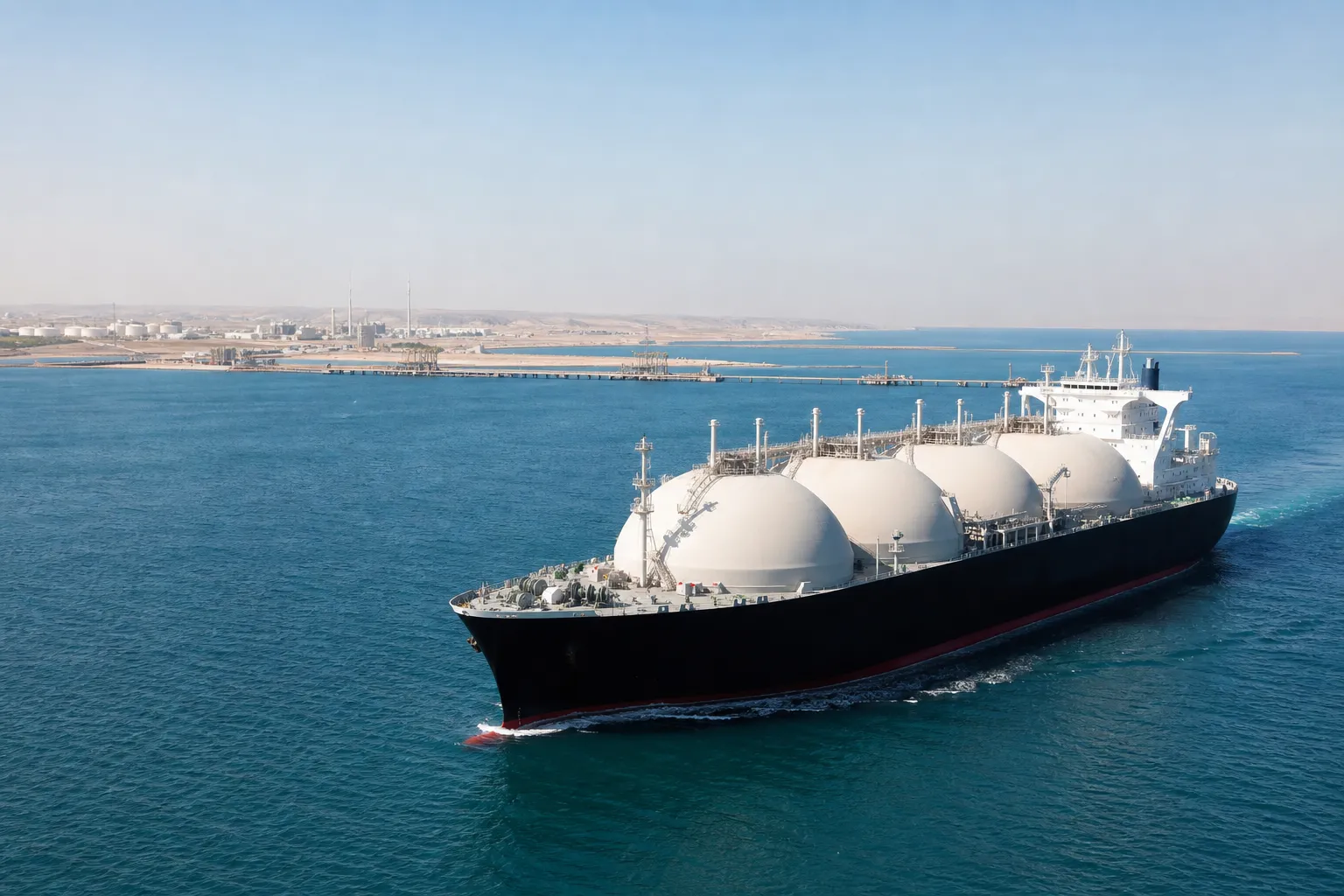
Pakistan anticipates the arrival of liquefied natural gas (LNG) tankers from Qatar this month, a move aimed at alleviating the country's ongoing energy crisis. The expected shipments are part of critical efforts to address persistent domestic supply shortages that have plagued the nation. This development shows Pakistan's significant reliance on imported fuel to meet its substantial energy demands, particularly as it grapples with volatile global energy markets. The arrival of these tankers is seen as a key step towards stabilizing the country's energy infrastructure and ensuring a more consistent power supply for its citizens and industries.
Qatar's Supply Disruptions
The current energy predicament for Pakistan has been exacerbated by recent disruptions from its primary supplier, Qatar. Qatar declared force majeure on its exports following Iranian strikes that significantly damaged the Ras Laffan LNG hub, a critical facility for global LNG supply. Before these disruptions, Qatar was Pakistan’s largest supplier of liquefied natural gas, providing substantial volumes under long-term contracts that formed the backbone of Pakistan's energy import strategy. The declaration of force majeure signaled a severe interruption in these established supply lines. Subsequently, QatarEnergy, the state-owned energy company, extended the force majeure, further impacting the availability of key LNG shipments to its international customers, including Pakistan. This extension prolonged the uncertainty surrounding future deliveries and intensified the pressure on Pakistan to find alternative, albeit more costly, supply options.
Pakistan's Market Struggles
After force majeure was declared by Qatar, Pakistan was compelled to purchase individual cargoes on the volatile spot market at significantly higher prices, a stark departure from its previous long-term contract arrangements. Over the past three months, Pakistan has announced several tenders for urgent liquefied natural gas supplies, often finding itself in a position where it had to pay more than $20 per million British thermal units (MMBtu) to secure these immediate needs. The challenging market conditions were starkly illustrated by a recent tender. One tender at the beginning of the month concluded without an order, as the country’s state gas company, Pakistan LNG Limited, received only a single bid. This lone bid was priced at an exceptionally high $27 per MMBtu, significantly above prevailing international rates. At that specific time, the international LNG price was approximately $23.18 per MMBtu, while the sole bid received was for $26.969. This situation notes the severe challenges Pakistan faces in securing essential energy supplies amidst global market volatility and reduced availability from its traditional sources. The inability to secure supplies at reasonable prices further strained the country's already tight import budget.
Impact of Shortages
The cascading effects of the gas shortage in Pakistan have been profound, significantly increasing electricity generation costs across the country. This scarcity has also resulted in regular and widespread power outages, with some regions experiencing disruptions that have lasted for up to 24 hours, severely impacting daily life and economic activity. These elevated costs reflect the country's struggle to maintain a consistent energy supply amidst reduced gas availability and the necessity of relying on more expensive alternative fuels. As of July, generation costs were a staggering 38% higher compared to the previous year, according to official data. The sustained increase in these costs shows the immense financial strain on Pakistan's energy sector due to the prevailing shortages and the high prices paid for emergency fuel purchases. The lack of reliable and affordable energy has become a critical national issue, affecting everything from industrial output to household comfort.
Outlook for Relief
The first liquefied natural gas cargo from Qatar may arrive as early as Thursday, potentially offering some much-needed relief to Pakistan's beleaguered energy sector. This initial shipment is critically anticipated to help alleviate the severe gas shortages that have directly impacted electricity generation and led to the widespread power outages across the country. The arrival of this cargo is a vital step in Pakistan's ongoing efforts to stabilize its energy supply, following the recent disruptions in deliveries from Qatar and the significant challenges faced in securing affordable fuel on the volatile spot market. Securing this early shipment is expected to mitigate some of the immediate pressures on Pakistan's energy infrastructure and provide a temporary reprieve from the acute energy crisis. While this is a positive development, the long-term stability of Pakistan's energy supply will depend on consistent deliveries and more favorable market conditions.