From the archive
Pakistan Receives First Qatari LNG Cargo Via Strait of Hormuz Since July
Pakistan received its first LNG cargo from Qatar via the Strait of Hormuz since July, resuming deliveries through the vital maritime route.
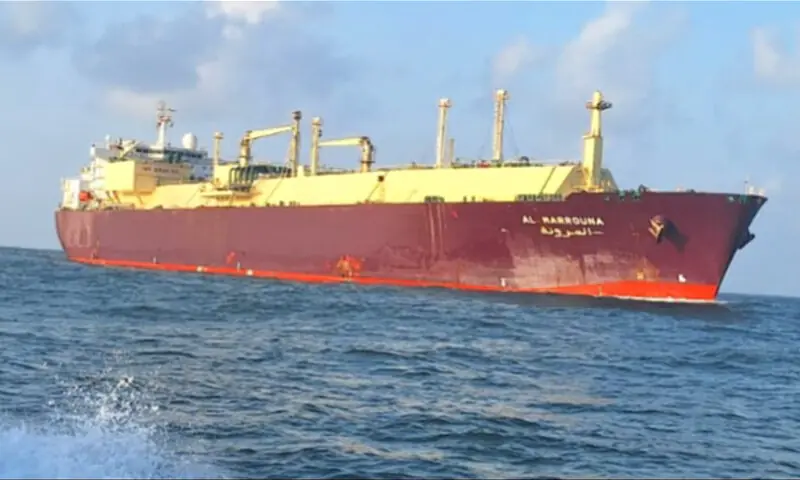
Pakistan received its first liquefied natural gas (LNG) cargo from Qatar through the Strait of Hormuz, marking the resumption of deliveries via this route since July. The shipment arrived as of September 11, 2026. This significant event shows the enduring energy partnership between the two nations and notes the critical role of the Strait of Hormuz in global energy trade. The arrival signals a renewed consistency in supply through this vital maritime chokepoint, a development closely watched by energy markets and geopolitical observers alike. The successful transit of this cargo reaffirms the operational viability of this critical maritime passage for energy supplies destined for South Asia.
Details of the LNG Shipment
The recent arrival of liquefied natural gas (LNG) from Qatar to Pakistan via the Strait of Hormuz signifies a notable development in energy logistics for both nations. This particular shipment marks the initial delivery through this critical maritime route since July, re-establishing a supply channel that is vital for Pakistan's energy security. The Strait of Hormuz, a narrow waterway connecting the Persian Gulf to the Arabian Sea, serves as a primary transit point for a substantial portion of the world's oil and gas shipments, showing its strategic importance for Qatar's energy exports and Pakistan's import needs. The successful navigation and delivery of this cargo on September 11, 2026, provides a tangible demonstration of the resilience of international energy supply chains.
The resumption of these shipments notes the ongoing energy trade relationship between Qatar, a major global LNG exporter, and Pakistan, an expanding market for natural gas. Pakistan relies on imported LNG to meet a significant portion of its domestic energy demand, particularly for power generation and industrial consumption. The consistent flow of LNG through established routes such as the Strait of Hormuz is essential for maintaining supply stability and managing energy costs within Pakistan. Disruptions to this route or alternative arrangements can have implications for both supply chain efficiency and economic stability, making the secure passage of these cargoes a top priority. The reliable supply from Qatar allows Pakistan to manage its energy portfolio more effectively, supporting its economic growth trajectory.
The logistics involved in transporting LNG from Qatar to Pakistan necessitate the use of specialized tankers capable of carrying the super-cooled gas across considerable distances. These vessels, often referred to as LNG carriers, are highly sophisticated ships designed to maintain the extremely low temperatures required to keep natural gas in its liquid state, reducing its volume for efficient transport. The journey through the Strait of Hormuz involves navigating one of the world's busiest and most geopolitically sensitive maritime chokepoints, demanding careful planning and coordination. For Pakistan, receiving this cargo ensures continued access to a key energy source, supporting its efforts to diversify its energy mix and reduce reliance on other, potentially more volatile, energy options. This delivery reiterates the operational capacity of the shipping lanes and the enduring commercial ties between the two countries in the energy sector, reinforcing the mutual benefits derived from this trade. The careful execution of such a delivery, particularly after a period of non-use of this specific route, speaks volumes about the commitment of both nations to their energy partnership.
The nature of LNG itself, as natural gas cooled to approximately -162 degrees Celsius (-260 degrees Fahrenheit), requires significant infrastructure both at the liquefaction plants in Qatar and at the regasification terminals in Pakistan. These terminals convert the liquid back into a gaseous state for distribution through pipelines to power plants, industries, and residential areas. The entire process, from extraction to final consumption, represents a complex and capital-intensive endeavor. The resumption of this specific route since July suggests that any previous logistical or operational considerations that might have temporarily altered shipping patterns have now been successfully addressed, ensuring a smoother flow of energy resources. The arrival of this cargo on September 11, 2026, marks a return to a preferred and efficient supply corridor.
Energy Security Context
Pakistan, a nation facing persistent energy challenges, relies heavily on imported liquefied natural gas (LNG) to meet a substantial portion of its domestic energy requirements. The country's energy mix includes a significant contribution from natural gas, which fuels power generation, industrial processes, and residential consumption. The consistent and secure supply of LNG is therefore critical for maintaining economic stability and supporting industrial growth across Pakistan. Disruptions in the supply chain or fluctuations in global energy markets can have immediate and broad consequences for the Pakistani economy and its citizens, impacting everything from manufacturing output to the cost of living. The strategic importance of reliable energy imports cannot be overstated for a developing economy like Pakistan.
The arrival of LNG from Qatar through the Strait of Hormuz since July shows the strategic importance of this maritime route for Pakistan's energy security. The Strait of Hormuz, a critical chokepoint in global energy trade, connects the Persian Gulf, where Qatar is a major LNG exporter, to the Arabian Sea. For Pakistan, access to this route ensures a direct and efficient channel for receiving vital energy imports. The continuity of these shipments is essential for mitigating potential energy crises and for ensuring the uninterrupted operation of key economic sectors. The successful arrival of the cargo on September 11, 2026, notes the effective management of this key supply line. This direct route minimizes transit times and logistical complexities compared to alternative, longer shipping paths, thereby contributing to cost-effectiveness and supply predictability.
Qatar, as one of the world's leading exporters of LNG, plays a key role in global energy markets and is a significant energy partner for Pakistan. The long-term agreements and ongoing trade relationships between the two countries are foundational to Pakistan's strategy for diversifying its energy sources and reducing dependence on more volatile options. The reliability of Qatari LNG supplies helps Pakistan manage its energy costs and plan for future energy demand, which is projected to grow with its increasing population and industrialization efforts. This partnership is not merely transactional but represents a strategic alignment aimed at fostering stability in energy supply for Pakistan's long-term developmental goals. The consistent supply from a trusted partner like Qatar provides a buffer against the volatility often seen in global energy commodity markets.
Ensuring the security of maritime trade routes, particularly through geopolitically sensitive areas like the Strait of Hormuz, remains a constant concern for importing nations like Pakistan. Any potential disruptions in these channels could necessitate expensive and time-consuming alternative shipping routes, impacting supply stability and energy prices. The resumption of regular shipments through this route provides a degree of predictability for Pakistan's energy planning, allowing the country to better manage its energy infrastructure and distribution networks. This consistent supply is fundamental to supporting Pakistan's economic development goals and its ongoing efforts to provide reliable energy access to its populace. The successful transit of the cargo on September 11, 2026, through this critical waterway reinforces confidence in the stability of this supply corridor. The ability to receive these vital imports without interruption is a cornerstone of Pakistan's national security and economic planning.
The demand for natural gas in Pakistan continues to rise, driven by population growth, urbanization, and industrial expansion. LNG imports are therefore not just a supplement but a fundamental component of the national energy strategy, bridging the gap between domestic production and consumption. The strategic partnership with Qatar, facilitated by efficient shipping routes like the Strait of Hormuz, directly contributes to Pakistan's ability to meet this escalating demand. This sustained energy supply underpins various sectors, from powering homes and businesses to fueling critical industrial processes that drive economic output. The reliability of this supply channel, evidenced by the recent shipment, is a key factor in Pakistan's long-term energy outlook and its aspirations for sustainable economic development.
Geopolitical Significance
The resumption of liquefied natural gas (LNG) shipments from Qatar to Pakistan via the Strait of Hormuz carries notable geopolitical implications for both nations and the broader region. The Strait, a narrow passage connecting the Persian Gulf to the open sea, is recognized globally as a critical maritime chokepoint for energy transit. Its consistent and secure navigability is essential for the flow of a significant portion of the world's oil and natural gas supplies. The successful transit of the LNG cargo on September 11, 2026, through this waterway reaffirms its continued role as a vital artery for global energy trade. The geopolitical dynamics surrounding the Strait often dictate the terms of energy security for numerous nations reliant on its passage.
For Pakistan, the re-establishment of this supply route since July shows its reliance on stable access through the Strait of Hormuz for its energy security. Pakistan depends on imported LNG to meet a substantial part of its domestic energy demand, making the reliable passage of these cargoes through geopolitically sensitive waters a strategic imperative. The ongoing commercial ties with Qatar, a major global LNG exporter, are central to Pakistan's energy strategy. Any disruption to this route could necessitate longer, more costly alternative shipping paths, potentially impacting Pakistan's economic stability and energy supply. The ability to consistently receive LNG through the Strait of Hormuz directly contributes to Pakistan's energy resilience and its capacity to withstand external shocks in the global energy market. This consistent flow of energy is a critical component of national stability.
Qatar, as a key energy producer, also benefits from the secure and unobstructed passage through the Strait of Hormuz. Its ability to deliver LNG to international markets, including Pakistan, without impediment reinforces its position as a reliable energy supplier. The Strait's role in facilitating global energy trade means that stability in this waterway is a shared interest for both exporting and importing nations. The continuous flow of energy through this corridor contributes to regional economic interdependence and can influence diplomatic relations among states bordering the Persian Gulf. For Qatar, maintaining open and secure shipping lanes is critical to its economic prosperity and its standing as a global energy powerhouse. The successful delivery on September 11, 2026, further solidifies its reputation as a dependable source of LNG.
The consistent operation of this energy corridor reflects the enduring commercial and strategic relationship between Pakistan and Qatar. It also notes the broader geopolitical landscape where energy trade routes are intertwined with regional stability and international security concerns. The successful transit of LNG shipments reaffirms the operational viability of this critical maritime passage for energy supplies to South Asia. This partnership is a testament to the mutual trust and shared economic interests that bind the two countries, fostering a stable environment for energy trade. The re-establishment of this route since July, culminating in the recent delivery, sends a clear message about the commitment of both nations to their long-term energy collaboration, despite the inherent complexities of navigating such a vital global chokepoint. The strategic importance of the Strait of Hormuz extends beyond mere economics, touching upon regional power balances and international maritime law.