From the archive
Pakistan Restores Qatari LNG Supply Amid Regional Tensions
Pakistan restores Qatari LNG supply. A cargo vessel is expected at Port Qasim on Tuesday, bolstering the nation's energy infrastructure.
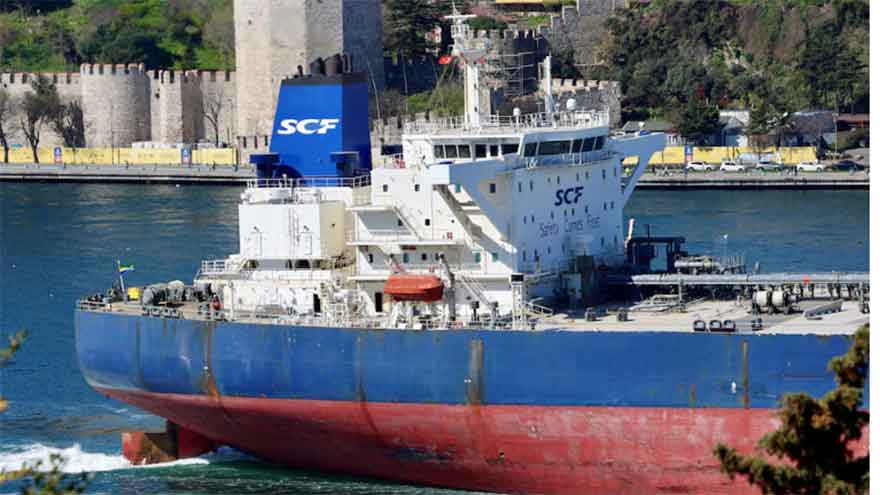
Pakistan’s liquefied natural gas (LNG) supply from Qatar has been restored, with a cargo vessel expected to arrive at Port Qasim on Tuesday. This development marks a significant step in bolstering the nation's energy infrastructure and addressing critical supply needs. Federal Minister for Petroleum Ali Pervaiz Malik announced the restoration, stating that the incoming shipment would help meet Karachi’s energy demand, a major metropolitan area key to the country's economic activity. The minister emphasized the importance of this renewed supply, particularly in light of the ongoing regional tensions that have impacted global energy markets. The consistent flow of LNG from Qatar is vital for Pakistan’s industrial and domestic sectors, providing a cleaner and more efficient energy source compared to other alternatives. The supply is also intended to address broader national requirements, ensuring energy stability across various provinces amidst the prevailing geopolitical landscape.
Energy Security Boost
The restoration of Qatari LNG supply complements recent positive trends in Pakistan's domestic energy reserves. Petroleum reserves in Pakistan have demonstrably increased since the onset of the regional conflict, reflecting strategic efforts to enhance the nation's energy security. This proactive approach aims to mitigate potential disruptions and ensure a steady supply of key fuels. Specifically, crude oil stocks rose significantly from 436,000 tonnes on March 1 to 515,000 tonnes, indicating a strong build-up in strategic reserves. Diesel reserves also showed a substantial increase, reaching 597,000 tonnes, which is critical for the country's transportation and agricultural sectors. Additionally, petrol stocks currently stand at 662,000 tonnes, further bolstering the country's overall energy security posture. These accumulated reserves provide a key buffer against global market volatility and unforeseen supply chain challenges, ensuring that essential services and economic activities can continue uninterrupted.
Economic Policy Context
Federal Minister for Petroleum Ali Pervaiz Malik further elaborated on the government's economic policies, stating that the increase in petroleum prices was directly linked to commitments made with the International Monetary Fund (IMF). These commitments oblige Pakistan to raise the petroleum levy as part of the federal budget, a measure designed to enhance government revenue and reduce the fiscal deficit. The government's economic policy adjustments, including those related to energy pricing, are being implemented in line with these agreements. The minister explained that this specific condition is a key component of the broader financial framework agreed upon with the International Monetary Fund, aimed at achieving fiscal sustainability. This measure is part of broader fiscal reforms aimed at stabilizing the national economy and managing public finances effectively. The adjustments to the petroleum levy are a key component of the financial framework agreed upon with the International Monetary Fund, showing the government's commitment to its international financial obligations and economic reform agenda.
Official Oversight
The Senate Standing Committee on Petroleum plays a key role in overseeing the nation's energy sector. The committee is chaired by Senator Umar Farooq, who leads its deliberations on critical energy-related matters. The committee provides official oversight on matters pertaining to petroleum and energy policy within Pakistan, ensuring that government initiatives align with national interests and long-term energy goals. Its role includes reviewing government initiatives and ensuring adherence to national energy objectives, such as securing reliable supplies and managing pricing structures. The committee's activities contribute significantly to the legislative framework governing the country's energy sector, helping to shape policies that impact millions of citizens and businesses. Senator Farooq's leadership guides the committee's examination of critical issues, such as the nation's energy supply, pricing structures, and international agreements, including those related to LNG imports. The body's deliberations are essential for maintaining transparency and accountability in the petroleum industry, fostering public trust and ensuring that energy policies are strong and equitable.