From the archive
Turkish Foreign Minister Fidan to Visit Qatar for Strategic Talks on Regional Security and Gaza
Turkish Foreign Minister Hakan Fidan visits Qatar for strategic talks on regional security and the Gaza crisis, preparing for a bilateral committee…
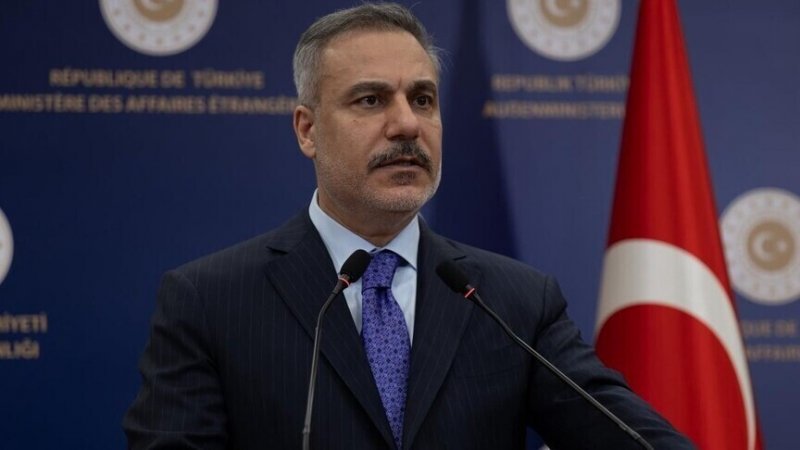
Turkish Foreign Minister Hakan Fidan is scheduled to visit Qatar on Tuesday to discuss strategic regional security issues and the situation in Gaza. During his visit, Fidan is expected to review preparations for the 12th session of the High Strategic Committee, a key platform for bilateral cooperation. This diplomatic engagement shows the deepening ties between Ankara and Doha amid complex regional dynamics.
Key Agenda Items
The talks between Turkish Foreign Minister Fidan and Qatari officials will focus extensively on regional security, the ongoing Gaza crisis, and preparations for the upcoming Türkiye-Qatar High Strategic Committee meeting. The discussions are anticipated to delve into various facets of these critical areas, reflecting the full nature of the bilateral relationship. Fidan's agenda includes detailed consultations on the security landscape of the Gulf region, emphasizing the importance of stability and cooperative approaches to emerging challenges.
Discussions are also anticipated to cover broader Gulf security concerns and regional diplomatic efforts aimed at fostering peace and de-escalation. A significant portion of the talks will be dedicated to the humanitarian crisis in Gaza, which is expected to be a prominent point on the agenda. Both sides are keen to explore avenues for alleviating the suffering in the besieged territory and coordinating their diplomatic stances on the issue. The urgency of addressing the humanitarian situation will be a central theme throughout the meetings.
The 12th session of the High Strategic Committee is scheduled to occur in Türkiye later this year. This significant meeting will be led by Turkish President Recep Tayyip Erdogan and Qatari Emir Tamim bin Hamad Al Thani, signifying the highest level of commitment from both nations. The committee typically serves as a platform for strengthening bilateral relations and coordinating policies on regional and international issues, covering a wide array of topics from economic cooperation to security matters. The preparatory discussions in Qatar are key for ensuring the success and productivity of this upcoming high-level summit. The detailed planning will ensure that the committee can effectively address the most pressing issues and advance the strategic partnership between Türkiye and Qatar.
Broader Regional Context
The visit by Turkish Foreign Minister Hakan Fidan takes place amid heightened tensions across the Middle East, a period characterized by significant geopolitical shifts and ongoing conflicts. This backdrop lends an added layer of importance to the discussions. Fidan is expected to criticize what Ankara describes as Israel’s destabilizing actions in the region, particularly in Gaza and the occupied West Bank. This criticism reflects Türkiye's consistent stance on the Israeli-Palestinian conflict and its advocacy for Palestinian rights. He is anticipated to articulate Türkiye’s concerns regarding the impact of these actions on regional stability and the prospects for a lasting peace.
The Turkish foreign minister is also anticipated to stress the importance of preserving Lebanon’s sovereignty and territorial integrity, specifically in light of continued Israeli military operations near the border. Türkiye views Lebanon’s stability as key for the broader regional balance and will likely advocate for international efforts to de-escalate tensions along the Israeli-Lebanese border. Fidan's discussions will touch upon the need to prevent any further spillover of conflict that could undermine the fragile peace in the Levant.
Fidan is expected to reaffirm Türkiye’s solidarity with Qatar following attacks that took place in March and April. This expression of solidarity shows the strong political and strategic alignment between the two countries. He will emphasize the importance of restoring freedom of navigation through the Strait of Hormuz, a critical maritime chokepoint for global energy supplies. Turkish officials indicate that the foreign minister will stress that recent developments have noted the growing importance of cooperation in defense, military coordination, and regional connectivity projects aimed at supporting long-term stability. This emphasis on collaborative security frameworks reflects a shared understanding that collective action is essential for navigating the complex security challenges facing the region.
The talks are also expected to focus on ongoing diplomatic efforts to resolve Gulf disputes and strengthen regional cooperation led by countries within the region rather than outside powers. This perspective notes a desire for self-reliance and regional leadership in addressing local challenges, fostering an environment of mutual trust and collective security. Turkish officials also state that Fidan will call for stronger international attention to the humanitarian crisis and warn against policies that undermine peace efforts. This includes advocating for greater humanitarian aid access and condemning actions that exacerbate the suffering of civilian populations in conflict zones. The discussions will aim to align Türkiye and Qatar's diplomatic strategies to exert more effective pressure on international bodies and relevant actors to address these critical issues.
Deepening Bilateral Ties
Relations between Türkiye and Qatar have deepened significantly in recent years, marked by strong cooperation across various sectors including trade, defense, energy, and regional diplomacy. This strategic partnership has been meticulously cultivated through consistent high-level engagements and mutual investments. The Türkiye-Qatar High Strategic Committee, established in 2014, has served as a primary mechanism for this expanded partnership, providing a structured framework for dialogue and collaboration. This committee has been instrumental in translating political will into concrete cooperative initiatives.
Since 2015, the committee has convened annual meetings, alternating between the two countries to foster continuous engagement and ensure that strategic discussions remain dynamic and responsive to evolving circumstances. These regular high-level meetings have led to the signing of 115 agreements spanning multiple sectors, reinforcing the full nature of their collaboration. These agreements cover a broad spectrum of areas, including economic development, cultural exchange, security cooperation, and technological advancements, illustrating the depth and breadth of their partnership. The consistent output of these agreements notes the effectiveness of the High Strategic Committee as a driving force for bilateral progress.
In economic terms, bilateral trade between Türkiye and Qatar reached approximately $1.15 billion in 2025, demonstrating a steady growth trajectory. This figure is expected to grow further, as both governments are aiming to increase the bilateral trade volume to $5 billion in the coming years. This ambitious target reflects the strong economic potential and mutual commitment to enhancing commercial ties. A key development supporting this goal was the official entry into force of the Trade and Economic Partnership Agreement in August last year, which is specifically designed to facilitate and boost commercial exchanges between the two nations. This agreement reduces trade barriers, streamlines customs procedures, and creates a more favorable environment for businesses to operate, thereby paving the way for achieving the ambitious trade volume target. The economic dimension of the relationship is a cornerstone of the broader strategic partnership, providing a solid foundation for continued cooperation.