From the archive
Petronet, GAIL Stocks Rise as Qatar Eyes LNG Ramp-Up Post-Hormuz Reopening
Petronet and GAIL stocks rose as Qatar plans to ramp up LNG production, anticipating 50% capacity within a month of the Strait of Hormuz reopening.
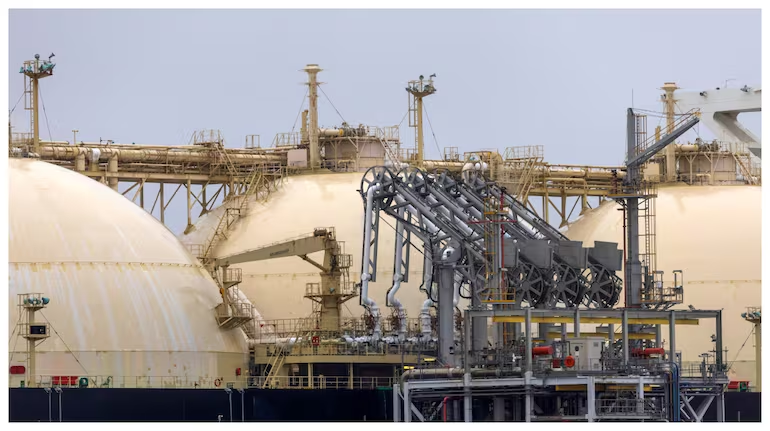
Petronet LNG Ltd. Shares rose on Tuesday, trading at Rs 289.90, an increase of Rs 4 or 1.40% by 12:57 pm, amid expectations of increased liquefied natural gas (LNG) supply from Qatar. The positive movement saw Petronet LNG Ltd. Trading at Rs 289.90, up Rs 4 or 1.40%, at 12:57 pm, reflecting investor confidence in the anticipated market changes. QatarEnergy has informed buyers it anticipates LNG output to recover to approximately 50% of capacity within one month of safe passage through the Strait of Hormuz being re-established. According to Bloomberg, citing people familiar with the matter, QatarEnergy expects production to reach roughly 80% within two months of the strait's reopening. This potential ramp-up follows a period of significant disruption, impacting global LNG markets. The facility has remained largely idle for more than three months as disruptions in the Strait of Hormuz made large-scale exports difficult, leading to a substantial reduction in Qatar's export capacity.
Qatar's Production Recovery Plan
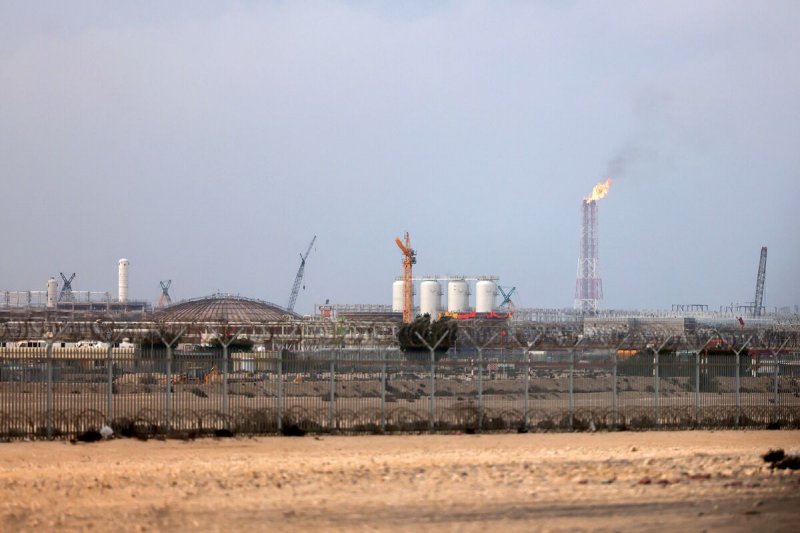
Qatar is preparing to rapidly ramp up liquefied natural gas (LNG) production once the Strait of Hormuz reopens, following a period where export difficulties led to reduced operations. The facility, which has been largely idle for more than three months, faced significant challenges in large-scale exports due to disruptions in the critical shipping lane. This readiness to increase output signals Qatar’s intention to quickly restore its position as a major LNG supplier. Despite the widespread idling of the main facility, some production trains have continued operating at reduced capacity to supply neighbouring countries while retaining the ability to ramp up output quickly when conditions improve. The anticipated ramp-up is expected to significantly impact global energy markets, particularly in Europe and Asia, which rely heavily on Qatari LNG.
Facility Background and Market Impact
Qatar shut down operations at its Ras Laffan complex, the world's largest LNG export facility, in the first week of the conflict following an Iranian attack. Some production trains at Ras Laffan have continued operating at reduced capacity, primarily to supply neighboring countries. This partial operation ensured the facility retained the ability to ramp up output quickly once conditions improve.
The Ras Laffan facility serves a significant role in global energy markets, accounting for nearly one-fifth of the world's LNG supply last year. Its operational status therefore has a profound effect on global energy security and pricing. Market analysts anticipate that the re-establishment of full operations will alleviate some of the current price pressures. Despite ongoing negotiations between the United States and Iran, LNG prices in both Europe and Asia remain above levels observed before the conflict began. This persistent elevation in prices shows the market's sensitivity to supply disruptions from key regions like the Middle East.
Stock Market Reaction
GAIL (India) Ltd. Also recorded gains, with its shares trading at Rs 175.69. This represented an increase of Rs 0.28, or 0.16%, by 12:59 pm, indicating positive investor sentiment. The positive movement in GAIL's stock aligns with broader market sentiment regarding the potential for increased liquefied natural gas (LNG) supply. As a major natural gas company, GAIL is expected to benefit from the anticipated ramp-up in Qatar's LNG production once the Strait of Hormuz is fully reopened. This development could lead to more stable and potentially lower LNG prices, positively impacting companies involved in gas transmission and distribution.
Outlook for Strait of Hormuz
US President Donald Trump has repeatedly stated that the Strait of Hormuz could reopen by Friday, coinciding with an expected interim agreement signing between US and Iranian officials in Switzerland. This assertion by President Trump offers a timeline for the potential resolution of the shipping crisis. Although an agreement is anticipated, uncertainty persists regarding shipping security and mine-clearance operations, according to Bloomberg. Meanwhile, the remaining capacity at the Qatari facility, equivalent to two production trains, could take years to fully recover. Bloomberg reported that this capacity was damaged during Iranian missile strikes in March, noting the long-term impact of the recent conflict on Qatar's full LNG production capabilities.