From the archive
Qatar Airways Suspends Flights Amidst Rising Regional Tensions
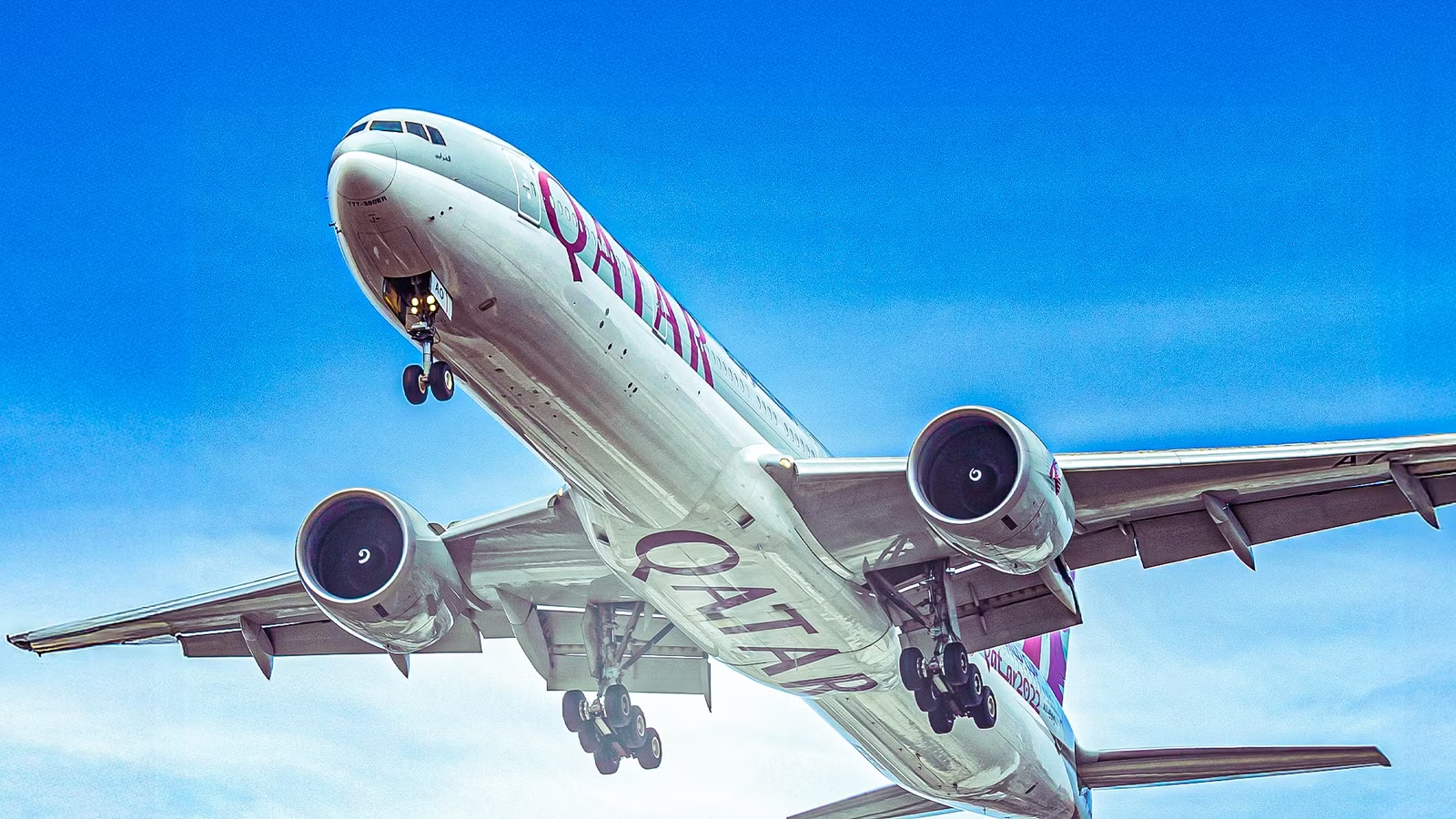
Qatar Airways suspends flights to Bahrain, Kuwait, and Erbil due to rising regional security tensions. The duration for some routes is until July 25.
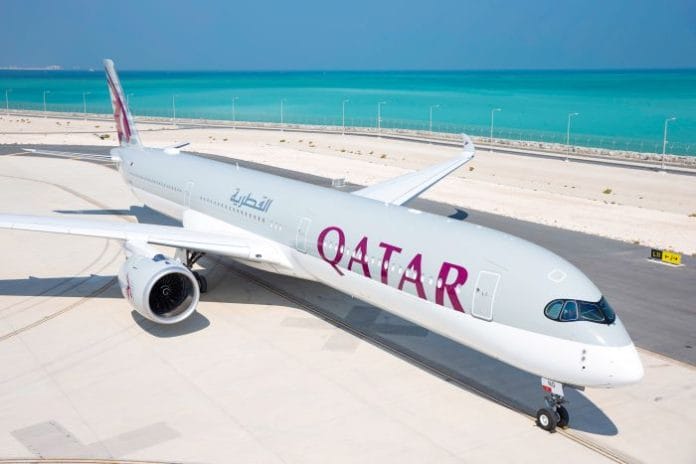
Qatar Airways announced the temporary suspension of its flights to several destinations, including Bahrain, Kuwait, and the Iraqi city of Erbil. The airline initiated these suspensions effective immediately, citing escalating regional tensions. The decision affects air travel to key cities in the Gulf region and Iraq, significantly altering travel plans for passengers and cargo operations. Further details regarding the duration of the flight suspensions were not immediately available from the Doha-based carrier at the time of the initial announcement. The cancellations come as geopolitical concerns continue to affect operational decisions for airlines in the broader Middle East, prompting carriers to prioritize safety and security in their route planning.
Flight Suspension Details
Qatar Airways has specified the duration for some of its recently announced flight suspensions. Services to Bahrain and Erbil will remain suspended through July 25, according to the airline. This measure affects travel to the Gulf nation of Bahrain and the northern Iraqi city of Erbil, key destinations for both business and leisure travelers. The decision to halt these services reflects a careful assessment of the security situation in these specific areas. Separately, flights to Kuwait have been halted for a longer period. The airline confirmed that services to Kuwait are suspended through July 31. These temporary cancellations impact key routes in the region as geopolitical concerns continue to mount. The airline earlier stated that the suspensions were enacted immediately in response to rising regional tensions, a critical factor influencing aviation safety and operational logistics. The full nature of these cancellations shows the severity of the current security landscape impacting air travel across the Gulf.
Regional Security Context
The suspensions from Qatar Airways occur amidst ongoing regional security tensions impacting air travel throughout the Gulf. The airline's decision directly responds to a volatile security environment that has seen increased military activity. Earlier this week, Iran initiated retaliatory missile and drone strikes. These strikes specifically targeted U.S. Assets located in Bahrain, Kuwait, and Jordan. This escalation followed a preceding series of attacks carried out by the United States, indicating a cycle of military actions between the two powers. The heightened military activity across the region has led to a re-evaluation of operational safety for commercial carriers. Airlines are closely monitoring the evolving security landscape to ensure the safety of their routes and passengers. The decision by Qatar Airways to suspend flights reflects a cautious approach in response to the volatile situation, prioritizing the well-being of its passengers and crew above all else. This measure shows the direct impact of geopolitical events on international air travel logistics within the Middle East, necessitating swift and decisive actions by carriers. The rising regional security tensions continue to affect air travel across the Gulf, making operational adjustments a critical necessity for airlines.
Broader Airline Impact
Several airlines have adjusted their regional operations in recent days, indicating a broader impact of the escalating regional tensions on air travel. These adjustments reflect a cautious approach within the aviation industry as carriers reassess flight paths and schedules in response to the volatile security situation. The measures taken by various airlines demonstrate a collective effort to prioritize passenger and crew safety amidst the ongoing geopolitical developments. The disruptions show how regional instability can quickly necessitate operational changes across multiple carriers, affecting travel connectivity in the Middle East. The ongoing security concerns have led to a re-evaluation of flight paths and ground operations, with airlines adopting a flexible strategy to navigate the unpredictable environment. This collective response notes the interconnectedness of the global aviation industry and its susceptibility to geopolitical shifts in critical regions like the Gulf. The impact extends beyond direct flight cancellations, influencing cargo operations and overall travel confidence in the area.