From the archive
Qatar and Iraq Leaders Call for Dialogue Amidst Regional Tensions
Qatar and Iraq leaders met in Doha, stressing dialogue and diplomacy to ensure regional stability amidst escalating US-Iran tensions and protect…
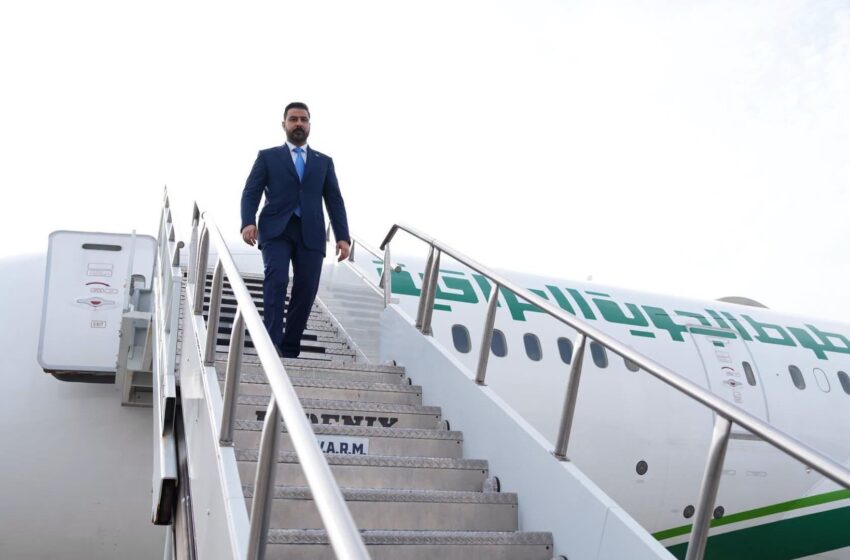
Qatari Emir Sheikh Tamim bin Hamad Al Thani held discussions with Iraqi Prime Minister Ali al-Zaidi in Doha, showing the vital role of high-level diplomatic engagement in addressing pressing regional issues. The leaders met to address regional tensions, emphasizing the importance of promoting stability across the area. Their meeting noted a shared commitment to fostering calm amidst ongoing geopolitical challenges, particularly in a volatile Middle East. This high-level dialogue between the Qatari Emir and the Iraqi Prime Minister serves as a critical platform for coordinating regional responses to emerging crises.
Bilateral Meeting and Regional Focus
The meeting between Sheikh Tamim bin Hamad Al Thani and Ali al-Zaidi primarily focused on strengthening bilateral relations between Qatar and Iraq, exploring avenues for enhanced cooperation across various sectors. Discussions also encompassed significant regional developments, particularly addressing the recent escalation in tensions between the United States and Iran. The leaders reviewed the impact of these developments on regional stability and security, showing the necessity of de-escalation efforts to prevent further deterioration of the situation. Both sides emphasized the importance of dialogue and diplomatic solutions to manage ongoing challenges in the wider Middle East, recognizing that collective action is critical for sustained peace. The talks aimed to coordinate positions and explore avenues for joint action to promote peace and reduce volatility in the area, reinforcing the belief that regional stability is a shared responsibility. The discussions reaffirmed the strategic partnership between Qatar and Iraq, aiming to bolster mutual interests and contribute positively to regional security architecture.
Stressing Diplomacy and Stability
Sheikh Tamim bin Hamad Al Thani and Ali al-Zaidi showed the importance of all parties involved in the war adhering to dialogue and diplomacy as the primary means of resolving disputes. They stressed the need for implementing agreements within the framework of the memorandum of understanding, noting the importance of upholding existing international commitments. The leaders jointly stated that this includes "dialogue and diplomacy, and implementing what has been agreed upon within the framework of the memorandum of understanding… including ensuring freedom of navigation in the Strait of Hormuz and promoting regional stability." This emphasis on established agreements and diplomatic channels notes a shared strategy for managing regional challenges and mitigating the potential for conflict. Their call for adherence to dialogue reflects a deeply held conviction that peaceful resolution is the only sustainable path forward for the region.
Their discussions further noted a commitment to upholding international maritime laws and fostering an environment conducive to economic stability. Promoting regional stability was identified as a key objective, necessitating sustained engagement and cooperation among all stakeholders to address multifaceted challenges. The leaders reaffirmed their belief that diplomatic solutions are essential to de-escalate tensions and prevent further conflict in the region, advocating for a proactive approach to peacebuilding. This joint stance from Doha sends a clear message about the imperative of peaceful coexistence and cooperation in the face of escalating regional pressures.
Key Points of Agreement
The leaders emphasized the critical importance of ensuring freedom of navigation in the Strait of Hormuz, a vital international waterway for global trade and energy supplies. This focus aligns with broader regional stability efforts discussed during their meeting in Doha, recognizing the strategic significance of unimpeded maritime passage. Both Sheikh Tamim bin Hamad Al Thani and Ali al-Zaidi noted the necessity of upholding international maritime laws and securing vital shipping lanes to prevent any disruptions that could have broad economic consequences. Their discussions showed a shared commitment to preventing disruptions that could impact global trade and regional security, advocating for a collaborative approach to safeguard this critical artery. This point of agreement reflects a joint strategy to manage potential flashpoints and foster an environment conducive to economic stability in the Middle East. Ensuring unimpeded passage through the Strait of Hormuz was presented as a key component of their mutual commitment to de-escalation and diplomatic engagement, reinforcing the message that regional security is intrinsically linked to global economic stability.