From the archive
Iraqi PM Visits Doha for Condolences After U.S. Trip
Iraqi Prime Minister Ali Falih al-Zaidi visited Doha on July 19, 2026, to offer condolences to Qatar's Emir following the death of the Father Emir…
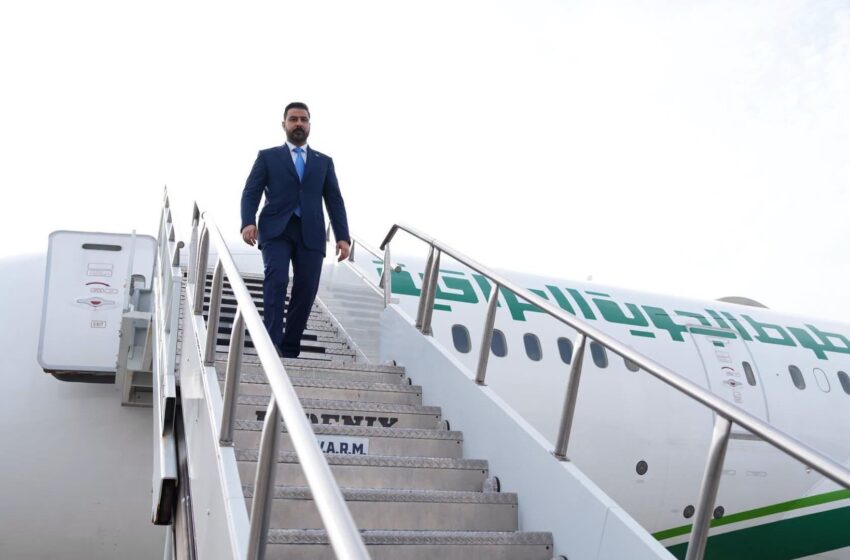
Iraqi Prime Minister Ali Falih al-Zaidi arrived in Doha, Qatar, on Sunday, July 19, 2026, to offer official state condolences. The Prime Minister extended sympathies to the Emir of Qatar, Sheikh Tamim bin Hamad Al Thani, following the passing of his father, the Father Emir Sheikh Hamad bin Khalifa Al Thani. Al-Zaidi's visit to the Gulf state fulfilled a formal state duty of condolence, a significant gesture in regional diplomatic protocols. The Prime Minister’s presence in Doha showed the importance Iraq places on maintaining strong bilateral relations, particularly during moments of national mourning for its neighbors. This official visit by the head of government is a conventional expression of solidarity and respect among Gulf Cooperation Council (GCC) member states and their regional partners.
Regional Diplomacy Intensifies
Baghdad is reinforcing its commitment to its diplomatic and economic ties with its Gulf neighbors, with both the head of state and head of government engaging with leadership in Doha. Iraqi President Nizar Amidi traveled to Doha earlier in the week to convey solidarity following the passing of the Father Emir Sheikh Hamad bin Khalifa Al Thani. President Amidi's visit preceded Iraqi Prime Minister Ali Falih al-Zaidi's arrival, signaling a concerted effort from Iraq's leadership to engage with Qatar during this period of mourning. The dual visits show Iraq's strategic focus on strengthening regional relationships. This coordinated approach by Iraq’s top leadership notes a deliberate strategy to foster closer ties and demonstrate a unified front in regional diplomacy. The presence of both the President and the Prime Minister in Qatar sends a clear message about Iraq's renewed emphasis on its Arab and Gulf identity and its commitment to fostering stability and cooperation within the region. Such high-level engagements are key for building trust and facilitating future collaboration on various fronts.
Context of State Visits
Prime Minister Ali Falih al-Zaidi's visit to Doha followed a five-day official state visit to Washington, D.C. The trip to the United States concluded just prior to his arrival in Qatar, indicating a busy diplomatic schedule for the Iraqi leader. The sequence of visits positions Iraq's engagement with both Western allies and regional partners as a key component of its current foreign policy agenda. This back-to-back itinerary demonstrates the breadth and intensity of Iraq's diplomatic efforts, balancing key relationships across different geopolitical spheres. The Prime Minister's immediate transition from discussions with a major global power to offering condolences in a key regional capital illustrates the multifaceted nature of Iraq's foreign policy considerations. This demanding schedule reflects the al-Zaidi administration's proactive stance in navigating complex international relations and asserting Iraq's role on both global and regional stages.
Strategic Rebalancing Act
The al-Zaidi administration is actively reorienting its diplomatic efforts, moving from securing major Western corporate pacts to prioritizing regional consensus-building, according to sources familiar with the government's strategy. This shift suggests a deliberate rebalancing of Iraq's foreign policy objectives. The al-Zaidi administration is transitioning from securing major Western corporate pacts back to regional consensus-building, indicating a strategic pivot in its approach. The recent visits by both the prime minister and president to Qatar, immediately following Prime Minister Ali Falih al-Zaidi's trip to Washington, D.C. Illustrate this strategic pivot. The administration appears focused on reinforcing ties within the Gulf region while maintaining engagement with international partners. This approach shows a broader effort by Baghdad to enhance its influence and stability across diverse geopolitical spheres. The emphasis on regional consensus-building signifies a recognition of the interconnectedness of Gulf security and economic prosperity with Iraq's own national interests. By fostering stronger relationships with its immediate neighbors, Iraq aims to create a more stable and cooperative environment conducive to its long-term development and security.