From the archive
Qatar Blames Iran for Regional Escalation, Condemns Attacks
Qatar blames Iran for regional escalation and condemns Tehran's attacks on Qatar, Jordan, Kuwait, and Bahrain, urging an immediate halt to aggression.
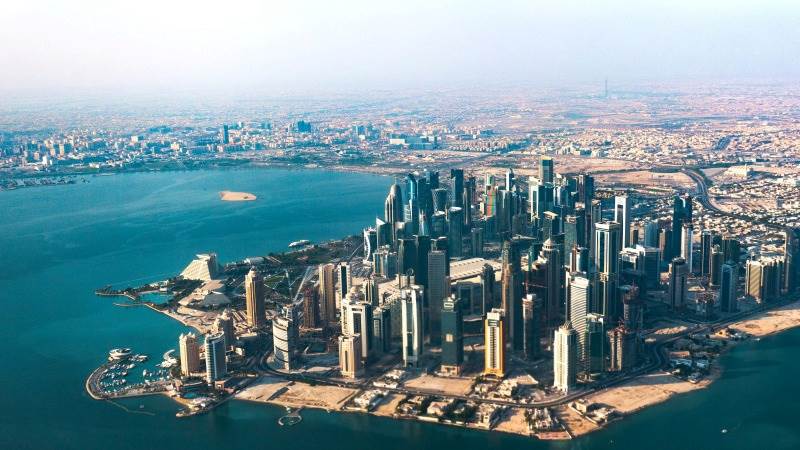
Qatar's Foreign Ministry issued a statement on Friday, condemning Tehran's recent attacks across the region. The ministry specifically cited attacks on Qatar, Jordan, Kuwait, and Bahrain. The statement from Doha criticized what it described as Iranian actions that contribute to regional escalation, directly blaming Iran for renewed tensions in the region. This strong condemnation from the Qatari government notes growing concerns over stability in the Middle East.
Demands for Iran
The Qatari Foreign Ministry urged Iran to immediately halt all attacks and "acts of aggression" that threaten regional security. Doha also called on Tehran to abide by the memorandum of understanding reached with the United States through diplomatic efforts. This memorandum, a result of concerted diplomatic engagement, represents a framework for de-escalation that Qatar believes Iran should respect. The ministry emphasized that Qatar "reserves its full right to respond, in accordance with the provisions of international law and Article 51 of the United Nations Charter, and to take all necessary measures to protect its sovereignty, security, territorial integrity, and its citizens." This statement reflects Qatar's profound concern over recent regional developments and its unequivocal demand for de-escalation from Iran. The call for adherence to international law shows the gravity with which Doha views the current situation.
Qatar's Rights Reserved
Qatar’s Foreign Ministry stated that it reserves its full right to respond in accordance with international law and Article 51 of the United Nations Charter. The ministry elaborated that this reservation includes the right to take all necessary measures to protect the country's sovereignty, security, territorial integrity, and its citizens. This assertion of national defense rights is a critical component of Doha's official stance. The statement shows Doha's position regarding its national defense and its adherence to international legal frameworks, particularly in the face of perceived threats to its national interests and the well-being of its population. By invoking Article 51 of the UN Charter, Qatar explicitly references its inherent right to self-defense.
Broader Regional Context
Qatar has attributed the renewed tensions in the region directly to Iran, according to a statement from Doha. This assessment comes amid heightened regional instability, with Qatar pointing to various Iranian actions as contributing to the escalation. The Qatari government's stance notes its concern regarding the impact of these actions on regional security and stability, emphasizing the need for immediate cessation of hostilities. Doha's statement shows a broader regional apprehension about the trajectory of current events and their potential to destabilize the wider Middle East. The accusation from Qatar represents a significant diplomatic development, indicating a direct linkage between Iran's activities and the prevailing regional unrest, and calling for a more responsible approach from Tehran. The ministry's strong language signals a clear message to the international community about the perceived source of current regional challenges.
Article Details
The complete article, detailing Qatar's accusations against Iran and its demand for de-escalation, was published two hours ago. This report, which outlines Doha's stance on regional stability and its reserved rights under international law, is estimated to be a one-minute read. The timely publication emphasizes the immediate importance of Qatar's message regarding regional security.