From the archive
Qatar Condemns Drone Strike, Cites Escalation Amid Diplomatic Push
Qatar condemns a drone strike on a cargo vessel in its territorial waters as a dangerous escalation and violation of international law.
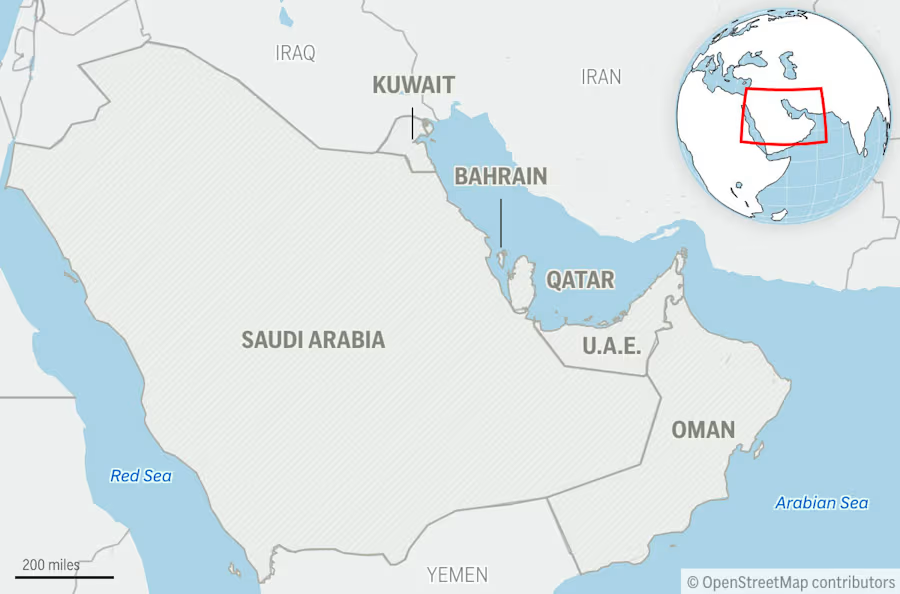
Qatar condemned a drone strike on a cargo vessel in its territorial waters on Sunday, an incident described by the Ministry of Foreign Affairs as "a dangerous and unacceptable escalation." The attack occurred northeast of Mesaieed port, targeting a vessel that was travelling from Abu Dhabi. Qatar's Ministry of Foreign Affairs characterized the strike as "a flagrant violation of the principle of freedom of navigation," emphasizing the severity of the incident. This official condemnation shows the gravity with which Doha views the attack. The UK Maritime Trade Operations (UKMTO) reported that the bulk carrier was struck 23 nautical miles northeast of Doha, providing specific geographical coordinates for the event. No injuries were reported from the incident, and the vessel was able to continue its journey after a limited fire on board was contained, preventing more severe damage or disruption. The resilience of the crew and the vessel's ability to proceed highlight the contained nature of the immediate physical impact, despite the broader implications for regional security. This drone strike has immediately drawn international attention, particularly given the already volatile geopolitical landscape of the Gulf.
Regional Drone Activity
Kuwait's armed forces detected and intercepted several hostile drones within the country's airspace early Sunday, according to reports. This incident shows ongoing concerns about regional air security following the drone strike in Qatari waters, suggesting a wider pattern of aerial incursions. These interceptions by Kuwaiti forces demonstrate the heightened vigilance of regional militaries in monitoring their sovereign airspace. Separately, a Qatari tanker was observed crossing the Strait of Hormuz towards Pakistan on Sunday. The movement of the Qatari tanker through the critical maritime choke point notes the continued flow of international shipping traffic in the region amid heightened tensions, even as other incidents raise alarms. This passage of a commercial vessel through such a strategic waterway serves as a stark reminder of the ongoing economic activities that rely on regional stability. Regional military forces remain on alert, monitoring airspace and maritime routes for unauthorized activity, implementing strong surveillance measures to detect and respond to potential threats. The detection of hostile drones in Kuwaiti airspace points to a broader pattern of unmanned aerial vehicle use in the Gulf, indicating a persistent and evolving challenge to regional security. This activity contributes to an atmosphere of instability, prompting calls for de-escalation from international bodies and regional powers who fear further destabilization.
Broader Conflict Context
The United States and Israel launched air strikes on Iran on February 28, contributing to a volatile regional security environment that has since seen a marked increase in incidents. Following these strikes, the Strait of Hormuz has been virtually closed, impacting maritime traffic in the critical waterway and creating significant challenges for global trade. This closure has had broad consequences, disrupting established shipping routes and increasing transit times for vessels. U.S. Central Command has confirmed significant disruptions in maritime operations, reporting that 58 ships have been redirected and four vessels disabled since mid-April, illustrating the tangible impact of these tensions on commercial shipping. These maritime challenges have coincided with a notable increase in energy costs, with U.S. Gas prices climbing above $4.50 a gallon, directly impacting consumers and global markets. The surge in fuel prices is a direct consequence of the instability affecting key oil-producing and transit regions, creating economic ripple effects worldwide. The combination of these events shows the widening impact of regional tensions on global trade and energy markets, demonstrating how localized conflicts can have international ramifications. The interconnectedness of global supply chains means that disruptions in one area can quickly escalate into broader economic challenges.
Diplomatic Efforts Intensify
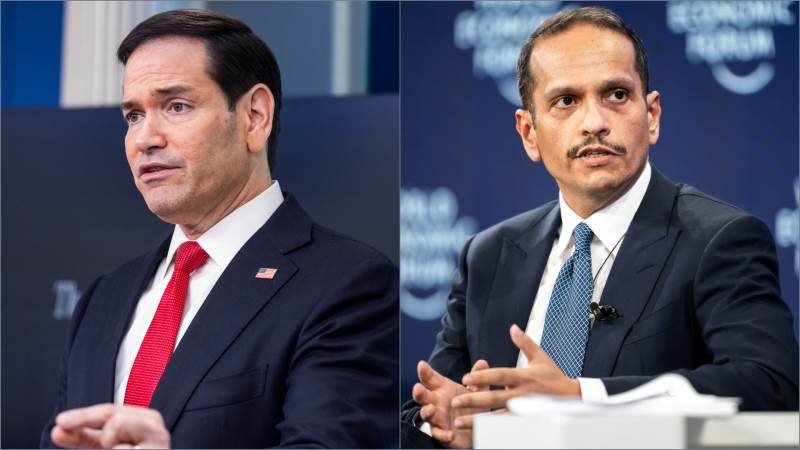
In response to the escalating situation, diplomatic efforts have intensified across various fronts. Qatar’s Prime Minister Sheikh Mohammed bin Abdulrahman al-Thani held discussions with U.S. Secretary of State Marco Rubio and White House envoy Steve Witkoff in Miami. The meeting occurred amidst heightened regional tensions following a drone strike in Qatari waters, emphasizing the urgent need for diplomatic engagement to de-escalate the situation. These high-level talks signify the international community's concern and its commitment to finding peaceful resolutions to the ongoing conflicts. Separately, U.S. President Donald Trump indicated that Washington was awaiting an imminent response from Tehran regarding a proposed memorandum of understanding. This agreement aims to formally conclude hostilities in the region, representing a significant diplomatic initiative to bring an end to the prolonged period of conflict. The anticipation of Tehran's response notes the critical juncture in diplomatic negotiations, with the potential for a breakthrough that could reshape regional dynamics. The outcome of these diplomatic overtures is closely watched by international observers, as they hold the key to potentially alleviating the current state of heightened alert and instability in the Gulf.