From the archive
Qatar Emerges as Key U.S.-Iran Negotiator Amid Shifting Regional Dynamics
Qatar has become the main U.S.-Iran negotiator, leveraging its diplomatic position and potentially financial transfers for safety amid regional shifts.
Qatar has transformed into the central axis for international efforts aimed at halting the escalating war with Iran, operating with significant American backing. The U.S. Administration increasingly views Doha as a more efficient and reliable channel for sensitive communication compared to Pakistan. This strategic shift shows Qatar's growing role in regional diplomacy, reflecting evolving communication channels between Washington and Tehran. The developments were reported on May 10, 2026, noting the timing and urgency of these diplomatic maneuvers in a volatile regional landscape.
Doha's Diplomatic Pivot
Qatar has maintained open lines of communication with both Washington and Tehran, a critical factor facilitating its central role in ongoing diplomatic efforts. This consistent engagement has positioned Doha uniquely to mediate between the two historically adversarial nations. Reports indicate that Qatar may have facilitated financial transfers to Iran, which some observers have described as a form of 'bribe' aimed at safeguarding its territory and energy assets from direct attack. These alleged financial arrangements, if confirmed, highlight the complex and often unconventional methods employed in high-stakes regional diplomacy. Such measures would be interpreted by some as a pragmatic approach to ensure stability and protect vital national interests amidst broader regional tensions.
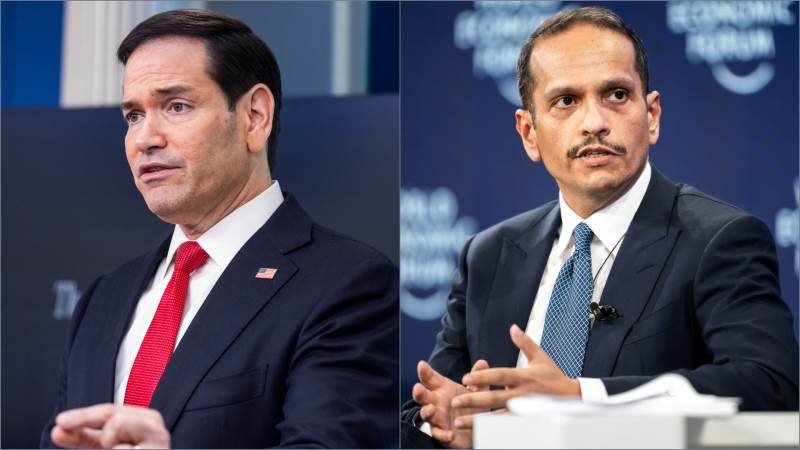
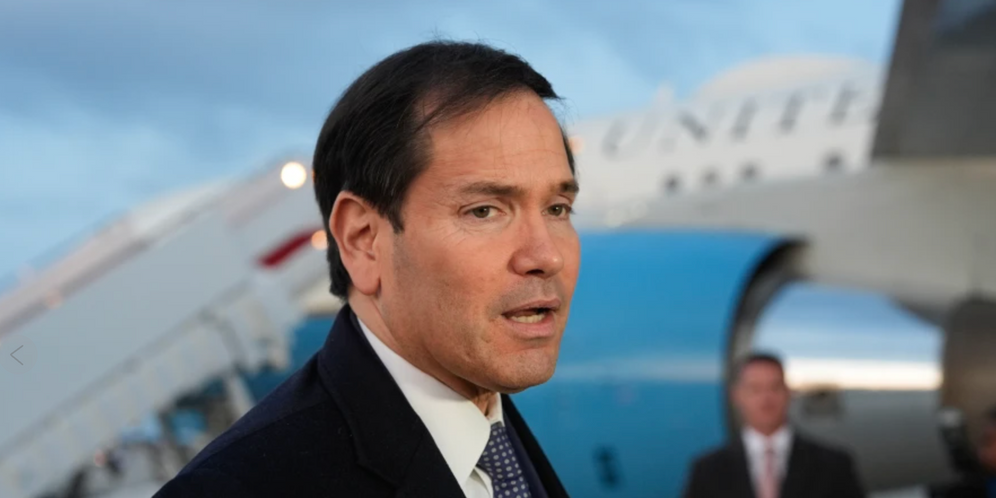
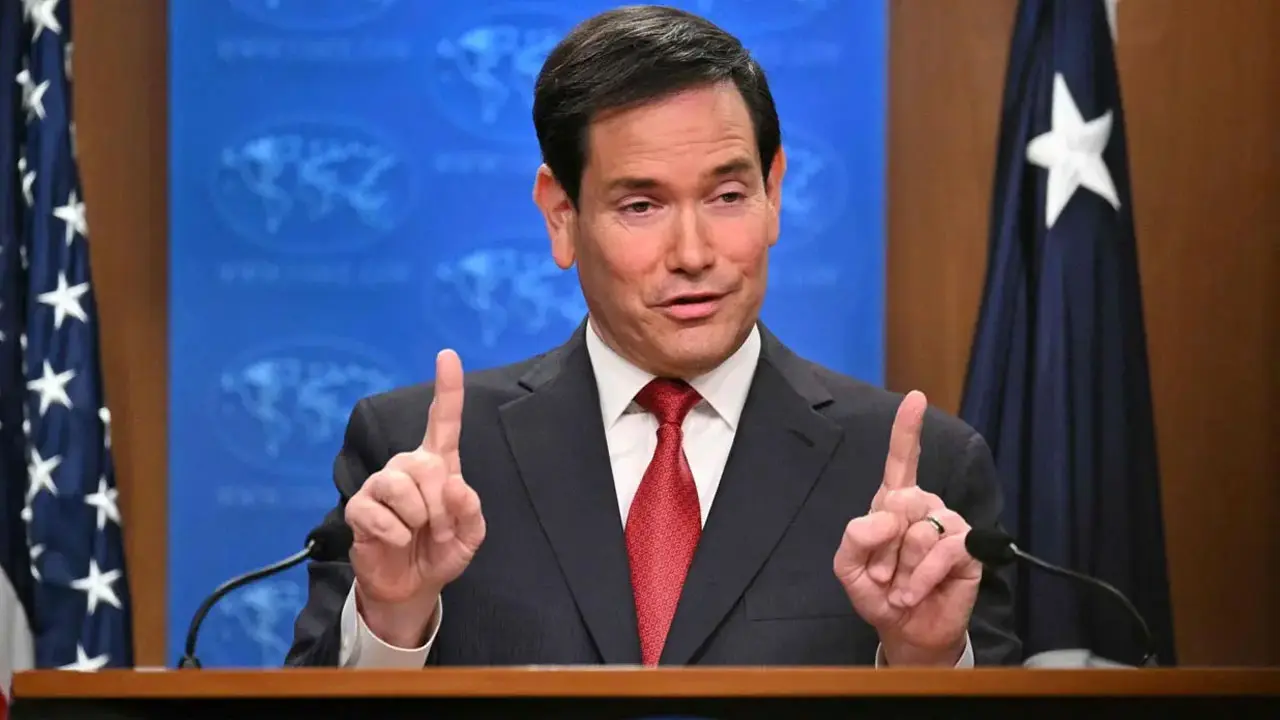
Qatari Prime Minister and Foreign Minister Mohammed bin Abdulrahman Al Thani recently met with American envoy Steve Witkoff and Secretary of State Marco Rubio in Miami. This high-level meeting showed the importance Washington places on Qatar's diplomatic capacity. Following this significant meeting, Doha altered its previously vague diplomatic statements. The Qatari government explicitly called for all parties involved to respond to ongoing mediation efforts, signaling a more direct and assertive approach from Qatar in urging engagement with its diplomatic initiatives. This shift from implicit encouragement to an explicit demand for response marks a notable evolution in Qatar's public diplomatic posture.
Strategic Advantages and Risks
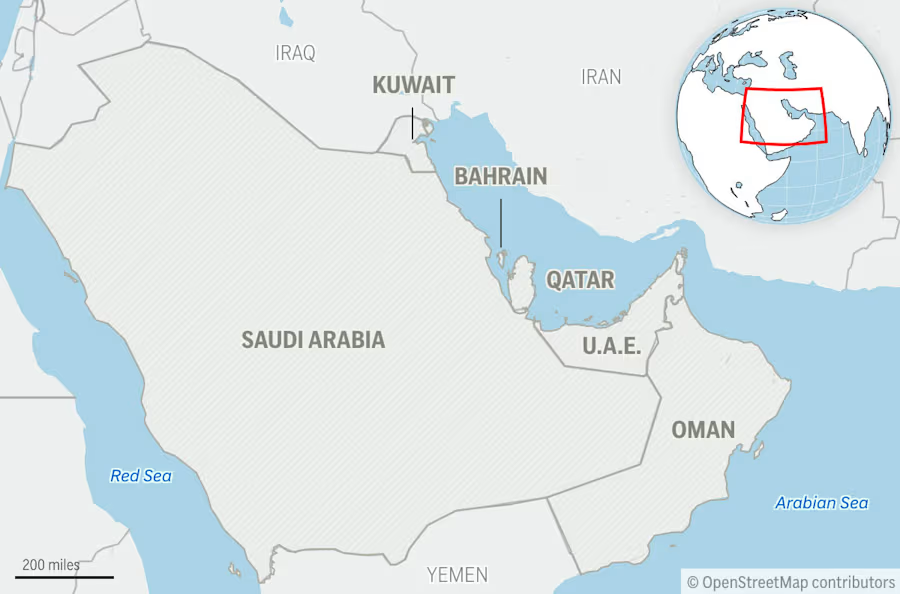
The United Arab Emirates has experienced significantly more damage and direct threats from Iranian aggression during recent rounds of fire compared to Qatar. This disparity in impact is a key element in understanding Qatar's current diplomatic standing. Qatar has also been targeted significantly less by Iranian missiles and drones when compared to other Gulf states. This discrepancy in impact notes a potential strategic advantage for Qatar in its mediating role, as its perceived neutrality or lesser exposure to direct conflict may lend greater credibility to its diplomatic overtures. The relative safety of Qatar's infrastructure and population, particularly its vital energy assets, is often cited as a key motivation for its unique diplomatic strategy.
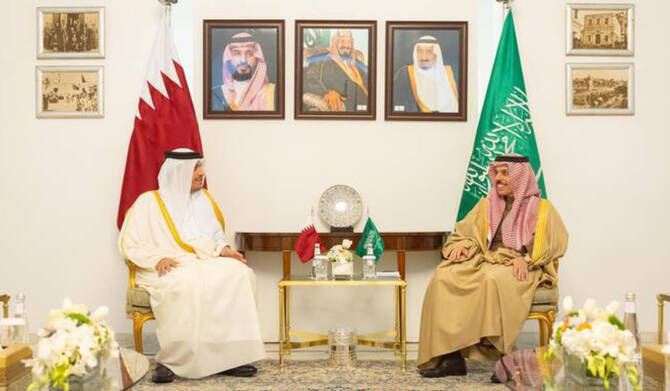
In further diplomatic coordination, Qatari Prime Minister and Foreign Minister Mohammed bin Abdulrahman Al Thani has been in direct contact with Pakistani Prime Minister Shehbaz Sharif. The discussions between the two leaders aimed to coordinate their respective roles in regional diplomatic efforts, signaling a broader, albeit discreet, network of engagement in managing tensions with Iran. This cooperation suggests a recognition that a multi-faceted approach, involving various regional actors, is necessary to achieve de-escalation. The coordination between Qatar and Pakistan shows the complex web of relationships and shared interests that underpin regional stability efforts.
Broader Regional Context
Pakistan remains the official mediator between the United States and Iran, according to reports, despite the increasing prominence of Qatar. This official designation means that Pakistan continues to play a formal role in facilitating communications, even as practical diplomatic channels diversify. The ongoing diplomatic engagements show a multi-faceted approach to regional stability, recognizing that no single actor can unilaterally resolve the complex issues at play. The evolving roles of both Qatar and Pakistan reflect a dynamic regional environment where traditional diplomatic structures are being supplemented by new, more agile channels. The broader article detailing Qatar's enhanced role and the shifting dynamics is estimated to have a reading time of 3 minutes, indicating the concise yet impactful nature of the analysis presented.