From the archive
Qatar Emir, Trump Discuss Middle East War Amid Regional Diplomacy
Qatar's ruler Sheikh Tamim bin Hamad Al Thani spoke with US President Donald Trump about the Middle East war and regional diplomacy efforts.
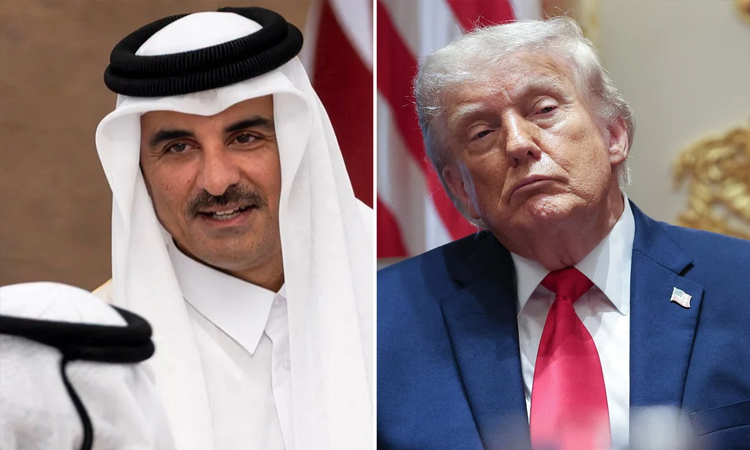
Qatar's ruler, Sheikh Tamim bin Hamad Al Thani, discussed developments in the Middle East war during a phone call with US President Donald Trump on Thursday. Qatari state media reported the exchange, which focused on the ongoing conflict in the region and the broader efforts to foster stability. The conversation between the two leaders addressed various aspects of the Middle East war, according to the official reports from Doha. This high-level dialogue between Sheikh Tamim bin Hamad Al Thani and President Trump shows the critical nature of the regional situation and the concerted international push for de-escalation. The discussion comes as regional diplomacy continues amid various challenges, with numerous stakeholders actively engaged in seeking pathways to peace and stability.
Regional Peace Efforts
Doha hosted Iranian officials this week as regional nations worked towards a resolution to the US-Iran war, which has seen a fragile ceasefire hold since April 8. A high-level Iranian delegation, including Tehran's top negotiator and central bank chief, visited Doha on Monday to discuss an agreement with the US and the release of frozen funds. This marked the first senior Iranian visit to the region since the start of the Middle East war. The visit marked the first senior Iranian delegation to the region since the Middle East war began, noting the significance of Qatar's role as a diplomatic hub. During the conflict, Tehran launched thousands of drones and missiles across the Gulf, with some targeting Qatar. The extensive barrage of drones and missiles demonstrated the volatile nature of the conflict and the widespread impact it had across the region. The discussions in Doha represent ongoing diplomatic efforts to de-escalate tensions and secure a lasting peace in the region, seeking to build upon the existing fragile ceasefire to achieve a more full and enduring resolution.
US-Qatar Relations
US President Donald Trump voiced his appreciation for Qatar's role in supporting mediation efforts. He specifically acknowledged the Gulf nation's consistent commitment to facilitating dialogue and its proactive stance in regional diplomacy. Qatar has been instrumental in backing the diplomatic initiatives led by Pakistan, which has emerged as a key intermediary between Washington and Tehran. This support notes Qatar's ongoing engagement in regional diplomacy aimed at de-escalating tensions and fostering constructive engagement between the parties involved. The commendation from President Trump shows the significance of Qatar's contributions to facilitating dialogue between the United States and Iran, particularly during a period of heightened regional complexities and geopolitical sensitivities. Pakistan's role as a link between the two nations has been key, and Qatar's backing has helped to strengthen these channels of communication, providing essential logistical and diplomatic support to ensure these sensitive talks can proceed effectively. The enduring partnership between the US and Qatar is further solidified through these collaborative efforts in promoting regional stability.
Diplomatic Priorities
The telephone call between Sheikh Tamim bin Hamad Al Thani and Donald Trump addressed the latest updates in the Middle East. It covered political and security developments unfolding across the region, according to the Gulf nation's official news agency. The agency stated, "The call discussed the latest updates in the Middle East, in light of the political and security developments taking place in the region, along with the regional and international efforts aimed at reducing escalation and enhancing stability." This discussion noted the ongoing focus on de-escalation efforts, emphasizing the need for all parties to exercise restraint and pursue diplomatic solutions. Both leaders concentrated on enhancing regional stability and mitigating tensions that have characterized the current period, reflecting a shared understanding of the urgent need for peace. The conversation showed the importance of concerted international and regional initiatives to address the underlying causes of conflict and to build a more secure future for the Middle East. The commitment to these diplomatic priorities remains central to both nations' foreign policy objectives in the region.