From the archive
Report Alleges Qatar Spent Millions to Influence US Education Against Israel
A report alleges Qatar spent over $65 million across 17 years to influence US education against Israel, according to ISGAP.
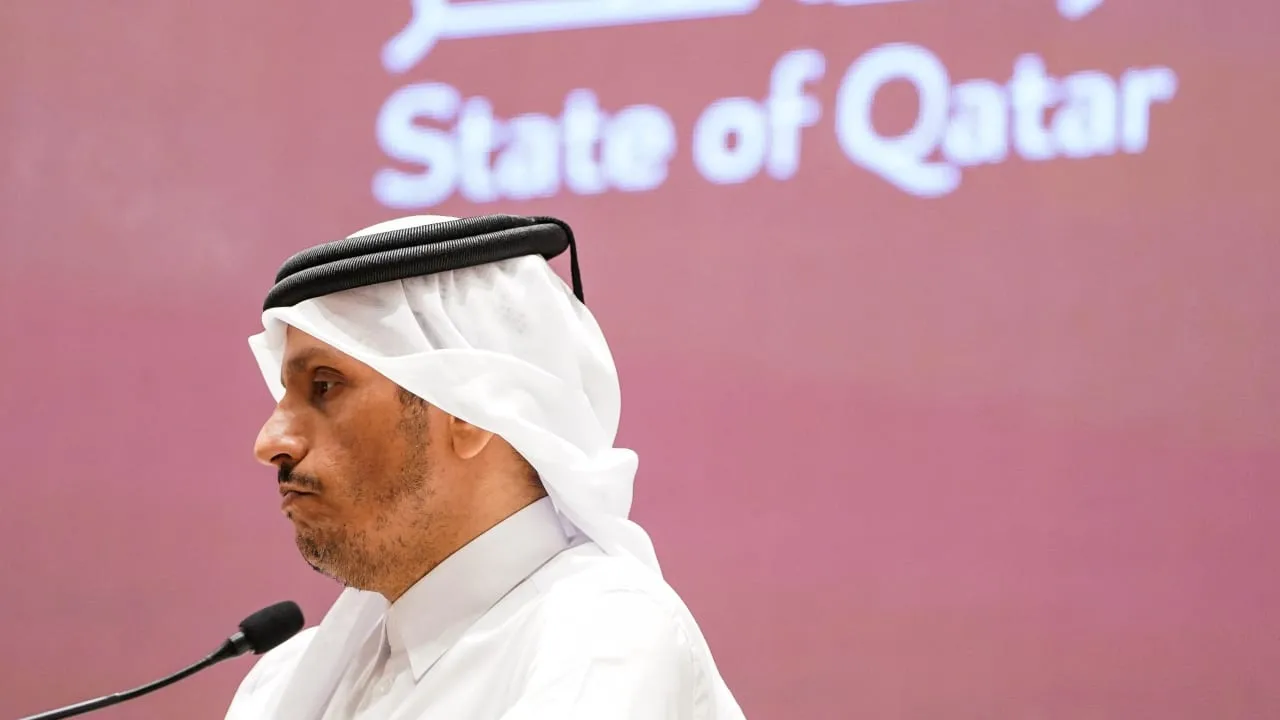
A new report released on Wednesday by the Institute for the Study of Global Antisemitism and Policy (ISGAP) alleges that Qatar invested more than $65 million over the past 17 years. This significant financial outlay was reportedly an effort to influence the education system in the United States against Israel. According to the ISGAP report, these substantial funds were funneled through Qatar Foundation International, a non-profit organization established to promote educational and cultural initiatives. The report notes the long-term nature of this alleged influence campaign, spanning nearly two decades.
Scope of Influence Campaign
Qatar Foundation International reportedly collaborated extensively with various educational entities across the United States. Its network included schools, universities, teacher-training programs, and national education networks, indicating a broad and systematic approach to engagement within the American academic landscape. The ISGAP report claims that the foundation's activities extended beyond merely promoting Arabic-language studies, which is often a stated goal of such organizations. Instead, its work allegedly evolved into a broad influence mechanism, impacting educational content, curricula, and political narratives pertaining to the Middle East and Israel. This suggests a deliberate strategy to shape perceptions and understanding of complex geopolitical issues within the US educational system. The report details how this alleged influence sought to subtly or overtly shift perspectives on the Israeli-Palestinian conflict and broader regional dynamics.
ISGAP's Findings and Calls
The Institute for the Study of Global Antisemitism and Policy (ISGAP) has responded to its findings by calling for a full federal investigation into the operations of Qatar Foundation International. This investigation would examine the foundation's activities and its connections with educational institutions across the United States, aiming to uncover the full extent of its alleged influence. The report suggests that such an inquiry is necessary to scrutinize the alleged influence campaign and its impact on American education, particularly concerning the neutrality and integrity of academic content. The call for an investigation aims to determine the full scope of Qatar Foundation International's engagement within the US academic landscape, particularly concerning its alleged role in shaping narratives related to the Middle East and Israel, and to ascertain whether these activities align with US regulations regarding foreign funding and influence in education. The ISGAP report shows the importance of transparency in foreign funding of educational institutions and the potential implications for academic freedom and national interests.
Broader Geopolitical Context
The release of this report occurs amid ongoing diplomatic efforts in the Middle East. Last Monday, US President Donald Trump spoke with leaders from the Middle East and the Muslim world, including Qatar's Emir, Tamim bin Hamad Al Thani. During these discussions, President Trump stated that certain countries should be required to sign onto the Abraham Accords simultaneously. He specified that "it should be mandatory that all of these countries, at a minimum, simultaneously sign onto the [Abraham Accords]," emphasizing a collective approach to regional peace and normalization. The countries Trump identified for joining the accords are Saudi Arabia, the United Arab Emirates, Qatar, Pakistan, Turkey, Egypt, Jordan, and Bahrain. This broader diplomatic push seeks to expand peace agreements between Israel and Arab nations, creating a new regional alignment.
Expert Analysis and Implications
The Institute for the Study of Global Antisemitism and Policy (ISGAP) report's allegations against Qatar Foundation International raise significant questions regarding foreign influence in US education. This situation could prompt renewed scrutiny of US President Donald Trump's broader regional initiatives, including the Abraham Accords, as Qatar is a key player in both contexts. President Trump previously advocated for Qatar, among other nations like Saudi Arabia and the United Arab Emirates, to simultaneously sign onto the accords, noting its strategic importance in the region. The report's findings may complicate these diplomatic efforts and invite further examination of Qatar's engagement within the US, potentially affecting its standing in future negotiations. The allegations show the ongoing debate about the transparency of foreign funding in academic institutions across the US and the potential for such funding to shape educational content and narratives in ways that might not be fully transparent to students, parents, or the public. This development adds another layer of complexity to the already intricate relationship between foreign policy, education, and international relations.