From the archive
Qatar Engages in Global Urban Dialogue at World Urban Forum in Baku
Qatar participates in the 13th World Urban Forum in Baku, Azerbaijan, joining global dialogue on housing and resilient cities.
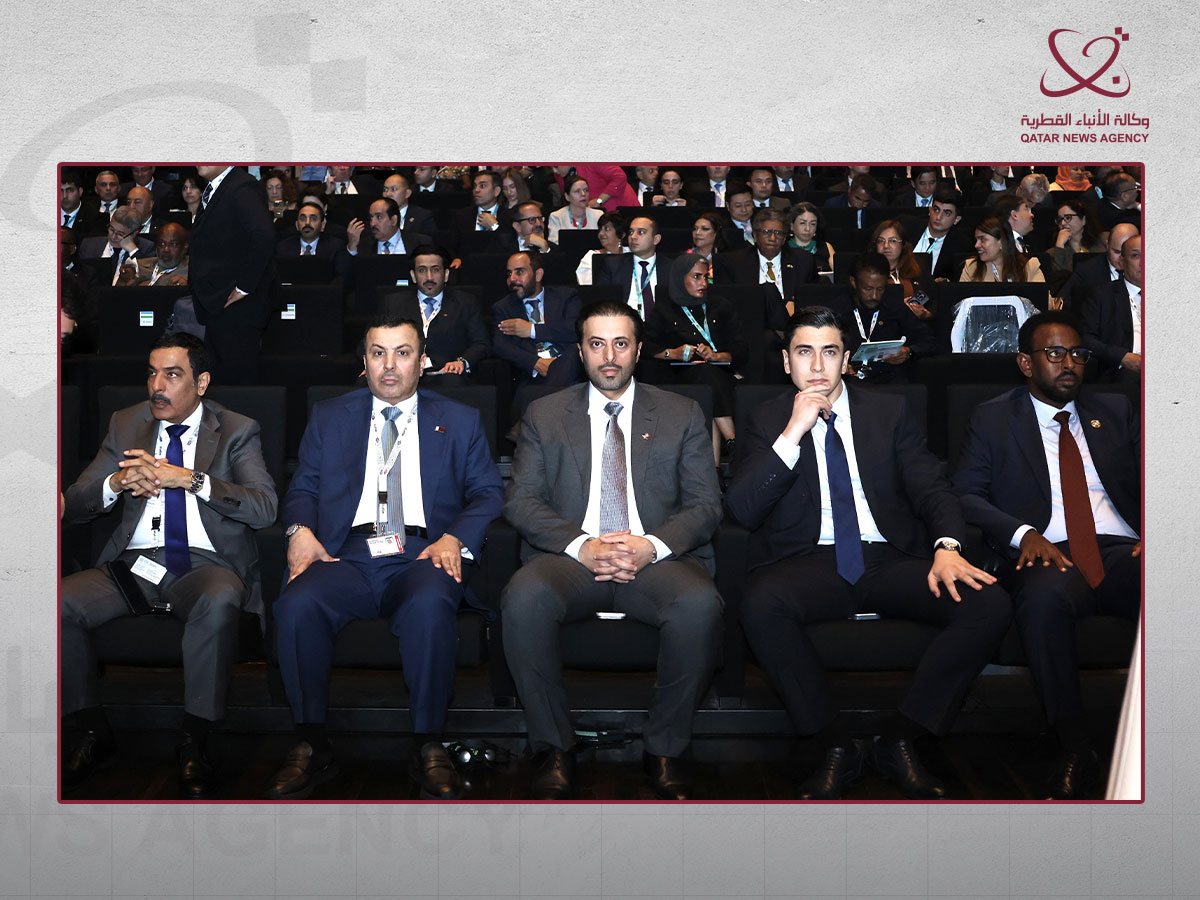
The State of Qatar is participating in the activities of the 13th World Urban Forum (WUF13) in Baku, Azerbaijan. This prominent international gathering is hosted by the Republic of Azerbaijan in its vibrant capital city. The international forum commenced on Sunday, May 17, 2026, and is scheduled to conclude on May 22, 2026, spanning six days of intensive discussions and collaborative sessions. Qatar's delegation, led by the Minister of Municipality, joined the opening ceremony of this significant event. President Ilham Aliyev of Azerbaijan was among the esteemed attendees at the event, showing the high-level importance placed on urban development and international cooperation. Qatar's participation shows its engagement in global urban dialogue, actively contributing to conversations shaping the future of cities worldwide.
Forum's Purpose and Themes
The 13th World Urban Forum is operating under the full and timely theme "Global Housing: Safe, Resilient Cities and Communities." This theme notes the urgent need to address challenges related to housing accessibility, safety, and the overall resilience of urban environments in the face of global changes. This international event is organized by the United Nations Human Settlements Programme (UN-Habitat), the leading UN entity for sustainable urbanization. UN-Habitat brings together various stakeholders, including government officials, urban planners, academics, civil society representatives, and private sector entities, to address pressing urban challenges and foster innovative solutions. The World Urban Forum serves as an essential international platform designed to facilitate strong cooperation and the exchange of experiences among participants from around the globe. Its focus on resilient cities and communities notes contemporary urban development priorities, emphasizing sustainability, inclusivity, and adaptability. The forum aims to foster dialogue on sustainable urbanization practices and policies, promoting a shared understanding of best practices and future directions for urban growth. Through these dialogues, WUF13 seeks to inspire actionable strategies for creating more livable and sustainable urban spaces for all.
Qatar's Urban Development Strategy
The ministerial meeting at the 13th World Urban Forum addressed several critical topics, including sustainable urban expansion, the formulation and implementation of effective housing policies, and the transformative role of digital transformation in urban planning. These discussions are highly relevant to Qatar's own development trajectory. Qatar's participation in these important discussions aligns smoothly with its full national vision, the Qatar National Vision 2030. This overarching strategy guides the country's long-term development objectives, aiming to transform Qatar into an advanced society capable of sustaining its development and providing a high standard of living for its people by 2030.
Qatar has adopted an integrated planning approach that links various key facets of urban development. This approach specifically connects sustainable urban development with the creation of modern transport networks and the overarching goal of environmental sustainability. This holistic strategy aims to ensure that urban growth is managed in a way that supports both strong economic progress and ecological balance, creating cities that are not only efficient but also environmentally responsible. This integrated methodology is central to Qatar's efforts to build smart, green, and resilient urban spaces.
Two key projects, Lusail City and Msheireb Downtown Doha, are presented as pioneering urban developments within Qatar, embodying the nation's strategic vision. These projects showcase the nation's commitment to implementing advanced planning principles and sustainable practices in its urban landscape. Lusail City represents a large-scale, master-planned urban area designed with contemporary infrastructure, smart city technologies, and a strong emphasis on sustainability, aiming to accommodate a significant population in a modern environment. Msheireb Downtown Doha, on the other hand, focuses on revitalizing a historic area, integrating traditional Qatari architecture with modern sustainability standards and walkable urban spaces, creating a vibrant and culturally rich urban core. Both initiatives demonstrate Qatar's proactive efforts to create innovative and sustainable urban environments for its residents, serving as models for future urban development.
Ministerial Discussions and Vision
The delegation of the State of Qatar at the 13th World Urban Forum (WUF13), hosted by the Republic of Azerbaijan in its capital, Baku, is led by His Excellency Mr. Abdullah bin Hamad bin Abdullah Al Attiyah, Minister of Municipality. His Excellency Mr. Abdullah bin Hamad bin Abdullah Al Attiyah affirmed Qatar's unwavering commitment to sustainable urban development during his address. He stated, "انطلاقا من رؤيتها الوطنية 2030، تتبنى نهجا تخطيطيا متكاملا يربط بين التنمية العمرانية المستدامة، وشبكات النقل الحديثة، والاستدامة البيئية، بما يسهم في تعزيز جودة الحياة ورفع كفاءة استخدام الموارد." This statement notes Qatar's strategic framework, which integrates sustainable urban growth with advanced infrastructure and environmental protection. He further emphasized the critical importance of sustainable cities, remarking, "بناء المدن المستدامة لم يعد خيارا، بل ضرورة إستراتيجية لضمان جودة الحياة وتعزيز قدرة المجتمعات على مواجهة التحديات المستقبلية، بما في ذلك التغير المناخي والتحولات الاقتصادية والتكنولوجية المتسارعة." This shows the view that sustainable urban development is not merely an option but a fundamental requirement for future societal well-being and resilience against global challenges.
The Doha Metro is noted as a key public transport system supporting balanced urban development and significantly reducing emissions within Qatar, contributing to environmental sustainability goals. Digital transformation is considered a cornerstone of modern city development, leveraging advanced technologies such as Geographic Information Systems (GIS), digital twins, and Artificial Intelligence (AI). His Excellency Mr. Abdullah bin Hamad bin Abdullah Al Attiyah elaborated on this, stating, "التحول الرقمي أصبح أحد الركائز الأساسية في تطوير المدن الحديثة، من خلال توظيف نظم المعلومات الجغرافية، والتوائم الرقمية، وتقنيات الذكاء الاصطناعي، بما يعزز كفاءة التخطيط الحضري القائم على البيانات، ويدعم اتخاذ القرار المستند إلى المعرفة." This emphasizes how digital tools enhance data-driven urban planning and informed decision-making. He also showed the intrinsic value of the forum, noting, "أهمية المنتدى الحضري العالمي بوصفه منصة دولية لتعزيز التعاون وتبادل الخبرات والتجارب الناجحة، بما يسهم في صياغة مستقبل حضري أكثر استدامة ومرونة وشمولا للأجيال القادمة، ويعكس التزام دولة قطر بالمساهمة الفاعلة في الجهود الدولية الهادفة إلى تطوير مدن أكثر كفاءة واستدامة." This reiterates the World Urban Forum's role as a vital platform for international collaboration and knowledge sharing, essential for shaping a sustainable, resilient, and inclusive urban future, and reflects Qatar's active commitment to these global efforts.