From the archive
Trump Sees Progress in Qatar Talks with Iran Amidst Escalations
President Donald Trump stated that indirect talks with Iran in Qatar are progressing, signaling a positive step for diplomacy amidst recent escalations.
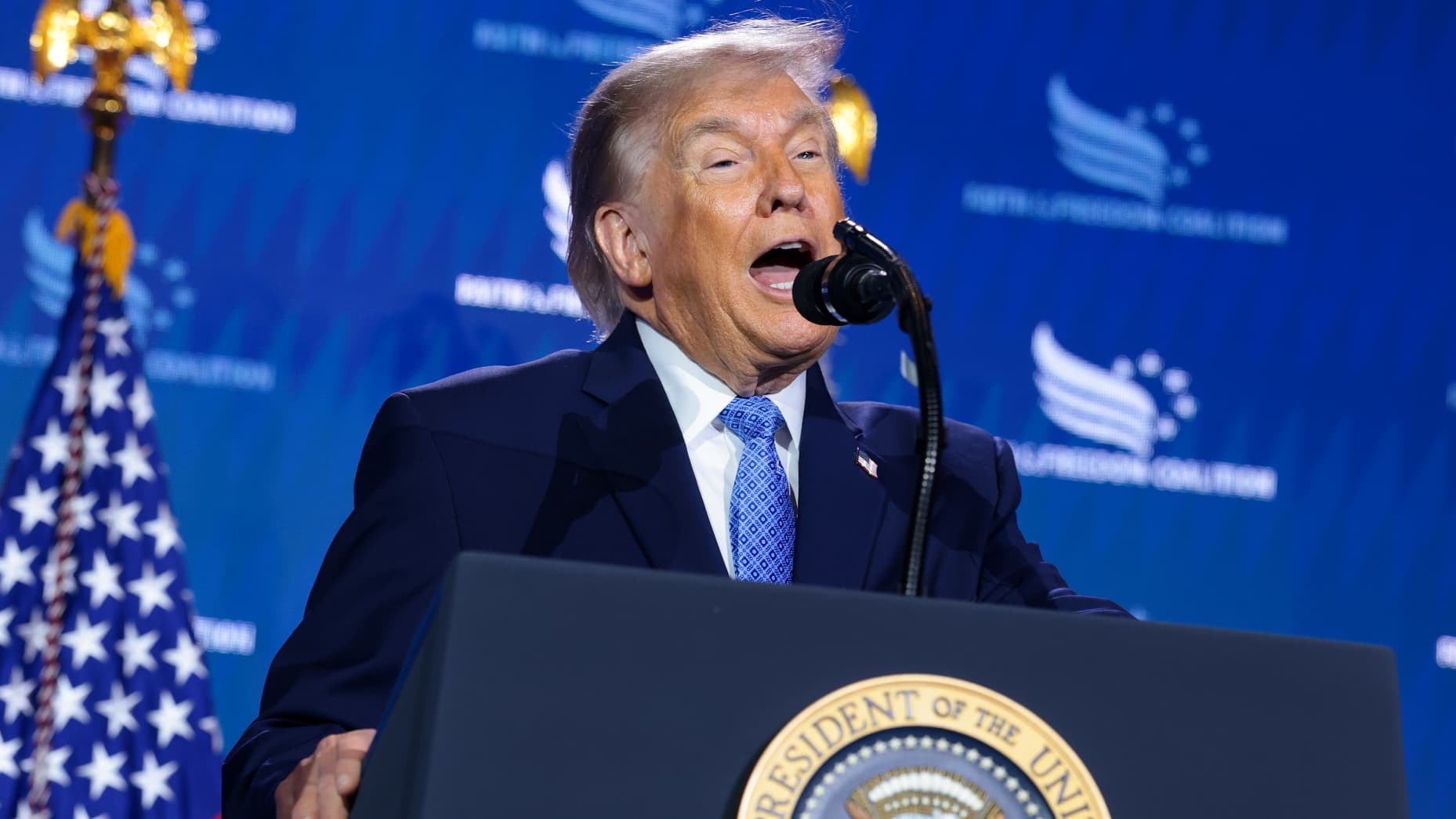
US President Donald Trump stated Wednesday that indirect talks with Iran taking place in Qatar were making progress. Speaking to reporters, President Trump indicated optimism regarding the ongoing negotiations, which are aimed at de-escalating tensions and addressing critical regional issues. The President's remarks came as diplomatic efforts intensified to find a resolution to the multifaceted conflict involving the United States, Iran, and their respective allies. He noted the significance of the discussions, noting their potential impact on regional stability.
"As far as things are going, the denuclearization of Iran is moving along well," President Trump said, emphasizing a key objective of the international community. This statement shows the strategic importance placed on preventing Iran from developing nuclear weapons capabilities. President Trump also referenced past actions, telling reporters, "We hit them very hard... But we're getting along very well." His comments reflect a complex relationship characterized by both confrontation and ongoing attempts at diplomatic engagement. The indirect nature of the talks notes the delicate balance between the two nations, seeking common ground despite historical animosities and recent military exchanges. The President's assessment suggests a cautious but hopeful outlook on the path forward, acknowledging the difficulties while pointing to potential breakthroughs.
Talks and Agreements Reached
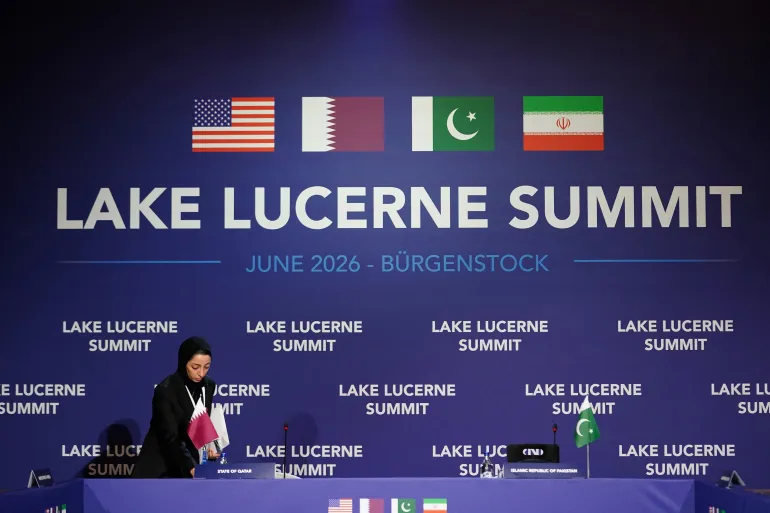
Iran's Deputy Foreign Minister Kazem Gharibabadi announced that the talks in Qatar had concluded, stating that all sides agreed to establish a communication channel by Thursday. This channel is intended to report and record violations of their initial memorandum of understanding, providing a structured mechanism for accountability and conflict resolution. The establishment of such a channel is a key step towards building trust and ensuring adherence to agreed-upon terms. The memorandum, which was mediated by Qatar and Pakistan, includes several key provisions designed to address immediate concerns and lay the groundwork for a more full peace. These provisions are central to the current diplomatic efforts.
Specifically, the memorandum mandates a 60-day ceasefire, a critical measure aimed at halting the ongoing hostilities and preventing further loss of life. This ceasefire offers a much-needed window for de-escalation and for humanitarian aid to reach affected areas. Another vital component is the reopening of the Strait of Hormuz, a strategically important waterway for global oil shipments. The safe passage through the Strait is essential for international trade and economic stability. The memorandum outlines a timetable for a final agreement concerning the war and Iran's nuclear program, indicating a commitment to a long-term resolution rather than just a temporary truce. This structured approach aims to tackle the root causes of the conflict and establish a lasting peace.
Mr. Gharibabadi also confirmed that discussions during the talks addressed the issue of frozen Iranian assets, the release of which Tehran has consistently demanded as a prerequisite for further cooperation. The financial implications of these frozen assets are substantial for Iran's economy. Officials reviewed how part of an initial $6 billion in assets would be utilized, indicating a specific plan for their deployment. An agreement was reached that goods required by Iran would be purchased and subsequently made available, ensuring that the released funds are directed towards essential needs. This arrangement aims to address Iran's economic concerns while providing a degree of oversight on the use of these funds. Additionally, Iran's delegation in Doha focused on the implementation of clauses related to the Strait of Hormuz, particularly concerning navigation and security, and the ongoing fighting in Lebanon, reflecting the broader regional impact of the conflict. The full nature of these discussions shows the complexity of the issues at hand.
Recent Escalations and Conflict
The current conflict originated with US-Israeli strikes on Iran in late February, marking a significant escalation in regional tensions. These initial strikes set off a chain of retaliatory actions that have drawn multiple actors into the fray. Following the signing of a US-Iran deal last month, which was intended to pave the way for de-escalation, the two sides have unfortunately exchanged fire in the Gulf, demonstrating the fragility of the peace process. The deal, while a diplomatic achievement, did not immediately halt all military confrontations.
One such incident involved Tehran targeting a commercial ship, asserting the vessel had strayed from its approved route while traversing the Strait of Hormuz. This action noted the ongoing maritime security concerns in the vital shipping lane. In response, US Central Command announced it had struck 10 Iranian military targets, a clear demonstration of the US's resolve to protect its interests and allies in the region. This retaliatory strike further intensified the cycle of violence. Iran subsequently launched attacks against US bases located in Kuwait and Bahrain, directly targeting American military presence in the Middle East. These attacks showed Iran's capability to project power and its willingness to respond forcefully to perceived aggressions.
The regional conflict has also seen the involvement of non-state actors. Iran-backed Hezbollah further contributed to the regional conflict by drawing Lebanon into the wider Middle East war in March, initiating rocket fire at Israel. This expansion of hostilities into Lebanon adds another layer of complexity to an already volatile situation, impacting civilian populations and further destabilizing the Levant. The involvement of Hezbollah demonstrates the interconnectedness of various regional conflicts and the influence of external powers in local disputes. The ripple effects of the initial US-Israeli strikes have thus spread across the Middle East, creating a multifaceted crisis that requires extensive diplomatic efforts to resolve.
Diplomatic Engagement and Context
While technical discussions were underway, other high-level diplomatic engagements were also taking place in Qatar. US envoys Jared Kushner and Steve Witkoff were not participating in the technical discussions happening in Qatar, according to reports, indicating a division of labor in the diplomatic efforts. However, both Kushner and Witkoff held separate diplomatic meetings in the country, focusing on broader strategic dialogues. Their presence signifies the high-level attention the US administration is dedicating to these complex negotiations.
Qatar's foreign ministry confirmed that Jared Kushner and Steve Witkoff met with Qatar's Prime Minister Sheikh Mohammed bin Abdulrahman Al Thani on Tuesday. Their discussions focused on the ongoing US-Iran negotiations, providing a key channel for high-level communication and strategy coordination. The meeting also addressed recent developments in Lebanon, noting the interconnectedness of regional issues and the need for a holistic approach to peace. These discussions with Qatari officials are vital given Qatar's role as a mediator in the indirect talks. The office of Qatar's emir further reported that Jared Kushner and Steve Witkoff also met with ruler Sheikh Tamim bin Hamad Al Thani on Wednesday, emphasizing the importance of these engagements at the highest levels of Qatari leadership. These meetings show the multilateral nature of the diplomatic push, involving not only the primary adversaries but also key regional facilitators.
Meanwhile, Iran's chief negotiator, Mohammad Bagher Ghalibaf, addressed potential challenges in the peace process, acknowledging the inherent difficulties in transitioning from conflict to lasting peace. Ghalibaf stated on Tuesday that "when a war of this magnitude comes to an end... It is inevitable that there will be implementation challenges, incidents and differences of opinion, especially where parties such as the Israeli regime are concerned." This remark showed the complexities anticipated in solidifying a lasting agreement following the recent escalations, pointing to the deep-seated animosities and differing interests that must be navigated. His comments highlight the realism and foresight required in such delicate negotiations, recognizing that the path to peace is rarely straightforward and often fraught with obstacles. The involvement of various regional actors, particularly those with strong opposing stances, adds layers of difficulty to achieving a full and enduring resolution.