From the archive
Qatar Notes Sport's Role in Promoting Equality at UN Human Rights Council
Qatar tells the UN Human Rights Council that sport is a powerful tool to promote equality, diversity, and combat racism and xenophobia.
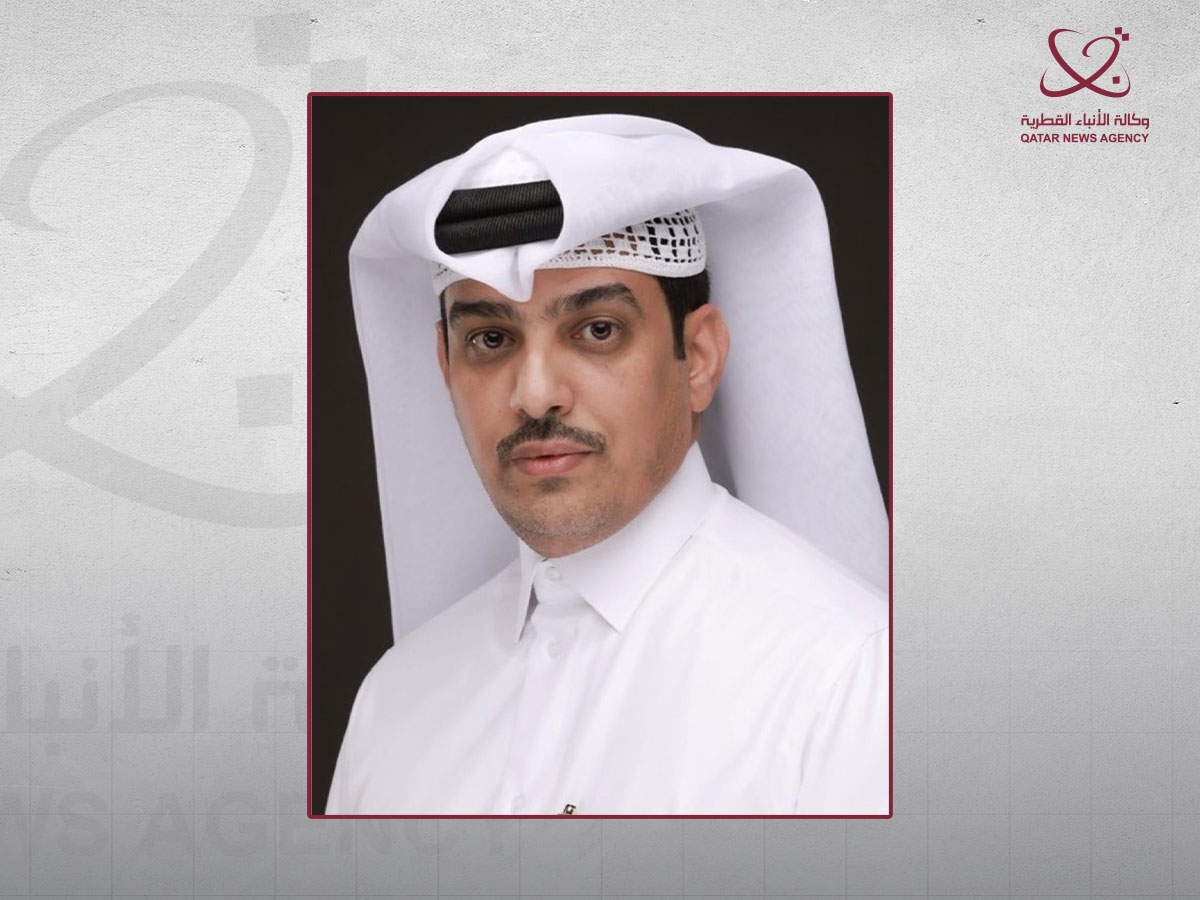
The State of Qatar participated in a significant interactive dialogue with the UN Special Rapporteur on contemporary forms of racism, racial discrimination, xenophobia, and related intolerance in Geneva. This high-level engagement provided a key platform for Qatar to articulate its perspective on combating discrimination through global cooperation and national initiatives. Sheikh Sultan bin Khalid Al-Thani, Second Secretary at its Permanent Mission to the United Nations Office in Geneva, represented Qatar during the session. His participation showed Qatar's commitment to addressing these critical issues on the international stage. Sheikh Sultan bin Khalid Al-Thani stated that "the State of Qatar believes sport serves as a universal language that brings together peoples and cultures, helping to reinforce values of respect, tolerance and solidarity." This fundamental belief guides Qatar's approach to leveraging sports for social good.
Qatar's Anti-Discrimination Efforts
Qatar noted its extensive efforts to combat racism and promote social inclusion through sport, showcasing its practical applications and international partnerships. A prime example of this commitment was its hosting of the FIFA World Cup Qatar 2022, a global event that brought diverse populations together. During the tournament, Qatar actively supported FIFA's 'No Discrimination' campaign, integrating anti-racism messages into the fabric of the event. This support was a tangible demonstration of Qatar's dedication to fostering an inclusive environment. These initiatives are part of a broader strategy to utilize sports as a powerful tool for social cohesion, aiming to transcend cultural and national divides. The nation's experience in organizing such a massive international event provided a unique opportunity to promote these values on a global scale.
The nation also annually observes National Sports Day every February. This event aims to encourage widespread participation in various sporting activities across the country, from community parks to national stadiums. It is specifically designed to reduce cultural and social barriers among residents, fostering a strong sense of community and shared experience through physical activity. This annual observance reinforces the message that sport is accessible to all, regardless of background. Qatar's engagement with international sports events and domestic initiatives reflects its deep-seated commitment to these objectives, consistently integrating principles of equality and non-discrimination into its national agenda and international outreach.
Sport as a Universal Language
Sheikh Sultan bin Khalid Al-Thani, Second Secretary at Qatar's Permanent Mission to the United Nations Office in Geneva, emphasized sport's unique ability to unite people. Speaking at an interactive dialogue with the UN Special Rapporteur on contemporary forms of racism, racial discrimination, xenophobia, and related intolerance, Sheikh Sultan bin Khalid Al-Thani noted Qatar's perspective on the profound role of athletics. He reiterated the core message, stating, "the State of Qatar believes sport serves as a universal language that brings together peoples and cultures, helping to reinforce values of respect, tolerance and solidarity." This view shows Qatar's strategic approach of leveraging sporting events and initiatives to foster social cohesion and combat discrimination on both a national and global scale. The nation's participation in such dialogues reflects its ongoing commitment to promoting these principles within international forums, actively contributing to global discussions on human rights.
Context and UN Dialogue
The interactive dialogue between Qatar's representative and the UN Special Rapporteur occurred during the 62nd session of the UN Human Rights Council. This specific session provided a critical platform for member states to discuss global efforts against racism, racial discrimination, xenophobia, and related intolerance, allowing for a full exchange of ideas and best practices. Qatar's participation in this session aligns with its broader diplomatic engagement on human rights issues, demonstrating its commitment to multilateralism and the shared goal of a more equitable world. The UN Human Rights Council, an intergovernmental body within the United Nations system, is responsible for promoting and protecting human rights around the world. Its sessions regularly address a wide array of human rights concerns, inviting special rapporteurs to present findings and engage directly with member states on their respective contributions and challenges. Qatar’s delegation used this specific forum to present its national initiatives and international cooperation projects centered on leveraging sport for social good, reinforcing its role as an active participant in global human rights advocacy.