From the archive
Qatar Mediates US-Iran Peace Talks Amid Strait of Hormuz Crisis
Qatar's Prime Minister met US officials in Florida to mediate a peace deal between Iran and the United States, aiming to end the crisis in the Strait of…
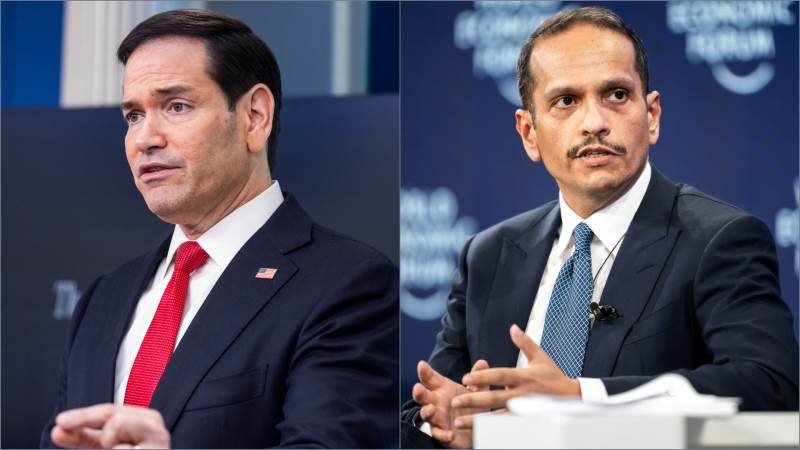
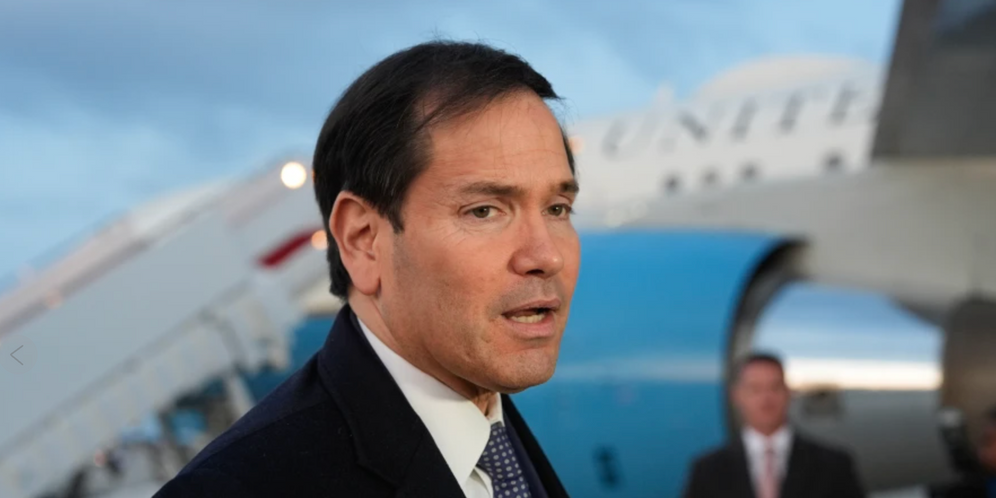
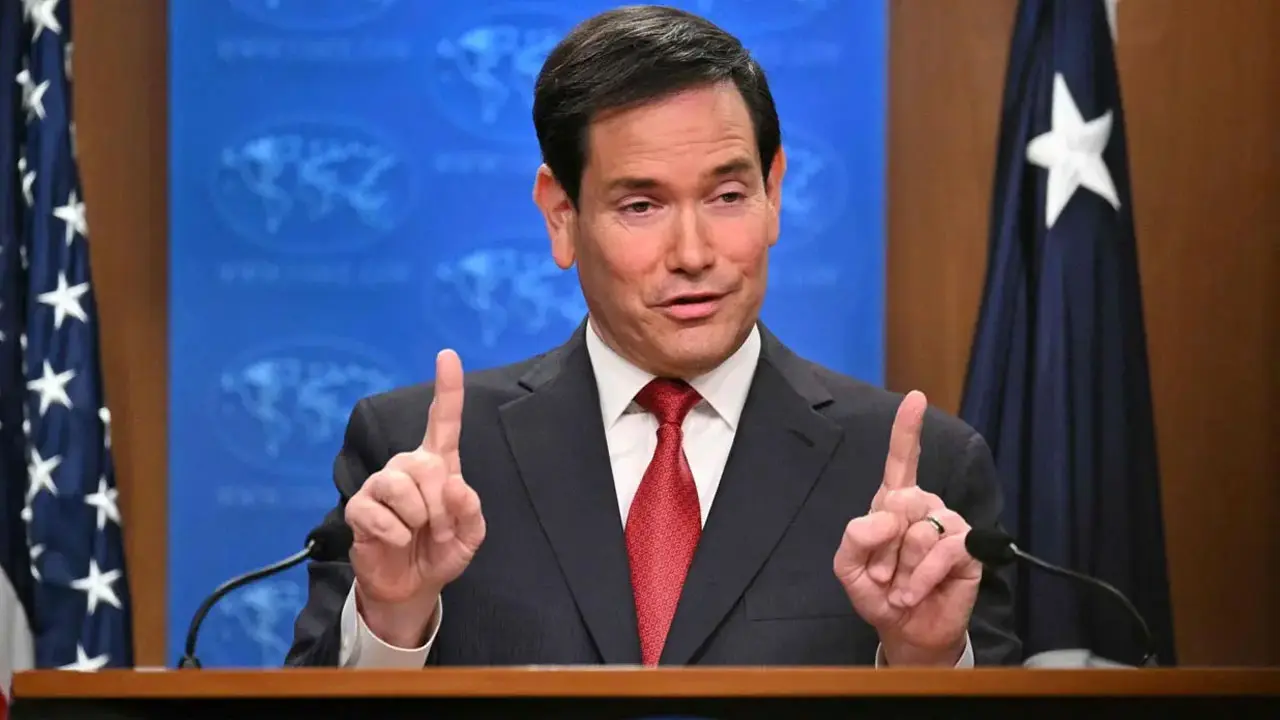
Qatari Prime Minister Mohammed bin Abdulrahman al-Thani met with US officials in Florida on Saturday, May 9, 2026, to mediate an end to the ongoing crisis in the Strait of Hormuz. These high-stakes discussions were part of broader, concerted efforts to broker a peace deal between Iran and the United States, aiming to de-escalate the volatile situation in the critical maritime passage. Al-Thani's diplomatic efforts involved a direct flight to Miami for discussions with prominent figures including Secretary of State Marco Rubio and White House envoy Steve Witkoff. The Qatari Prime Minister dramatically altered his travel itinerary, choosing to fly directly to Miami instead of returning to Qatar, a decision that showed the profound urgency and critical nature of the mediation. The talks specifically aim to de-escalate the heightened tensions in the key maritime chokepoint, which has seen significant military activity in recent days.
Escalating Tensions and Diplomatic Push
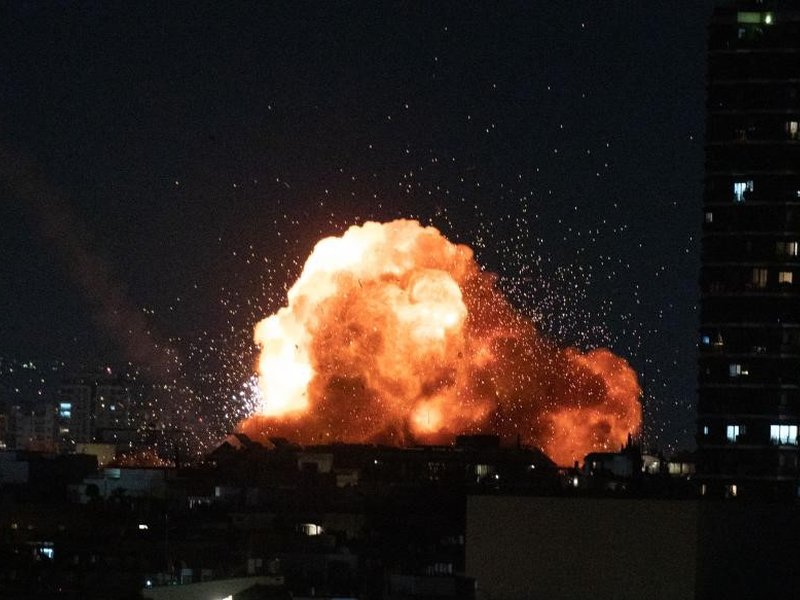
The United States and Iran exchanged fire in the Strait of Hormuz on Thursday and Friday, marking a significant and alarming escalation in the ongoing crisis. During these exchanges, the US struck Iranian tankers and military targets, actions that inevitably led to further tensions and a dangerous cycle of retaliation. In response to the US actions, Iran fired on three American warships within the strategic waterway, demonstrating its resolve and capability within the contested region. This exchange of fire between the two nations threatened to unravel the fragile truce that had been painstakingly agreed upon on April 8, raising fears of a wider conflict.
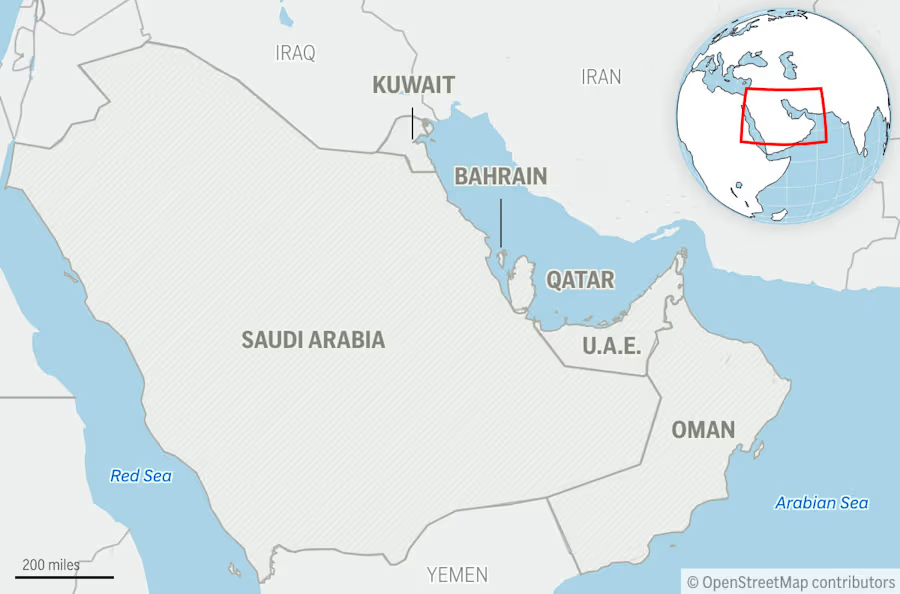
Iran's military spokesperson issued a stark warning on Sunday, stating unequivocally that the country would escalate the conflict in "new and unexpected ways" should the US mount additional attacks. This pronouncement notes the precarious nature of the current standoff and the potential for rapid, unpredictable escalation. As part of a potential peace settlement, Iran insists it should retain full control over the Strait of Hormuz and aims to impose transit fees on all vessels using the passage, a demand that presents a significant hurdle in negotiations. The ongoing standoff centers on this key shipping corridor, which has remained largely closed to international navigation since the United States and Israel launched a war ten weeks prior.
Diplomatic efforts are now underway with renewed vigor, with Iran reportedly considering a new US proposal specifically designed to end the crisis. This US proposal outlines a full plan for the United States to gradually lift its blockade on Iranian ports, a key concession sought by Tehran. In return, Iran would commit to re-opening the Strait of Hormuz to international shipping over the next month, a move vital for global trade and energy security. The proposed timeline for the strait's re-opening shows the immediate need for a resolution to the current impasse.
Former President Trump commented on the situation Friday, stating he had expected a response "tonight," indicating his anticipation of further developments from the ongoing conflict and suggesting a deep awareness of the underlying tensions.
Qatar's Key Mediation Role
Secretary of State Marco Rubio and White House envoy Steve Witkoff participated in the discussions in Florida, representing the United States' interests in these critical negotiations. The meeting in Florida followed a separate, equally important engagement where Qatari Prime Minister Mohammed bin Abdulrahman al-Thani met with US Vice President JD Vance in Washington just a day earlier, on Friday, May 8, 2026. This sequence of high-level meetings shows the intensity and breadth of Qatar's diplomatic engagement. Doha has been actively working behind the scenes to facilitate closer ties and foster dialogue between Iran and the United States, according to sources intimately familiar with the diplomatic efforts. These sources emphasize Qatar's consistent role as a key intermediary in regional affairs.
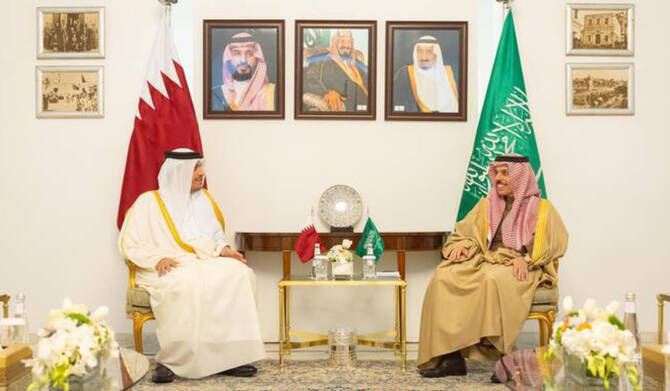
US officials have characterized Qataris as "especially effective in negotiations in Iran," noting their established channels of communication, deep understanding of regional dynamics, and previous diplomatic successes in complex geopolitical situations. These sustained efforts by Qatar come at a time when other regional attempts at mediation have struggled significantly to yield tangible results or break the diplomatic deadlock. Pakistan, for instance, led initial peace talks in Islamabad last month, but these discussions ultimately failed to break the diplomatic deadlock between the two nations, noting the difficulty of the task. Beyond Pakistan, other regional powers such as Turkey, Egypt, and Saudi Arabia have also been involved in various mediation efforts aimed at de-escalating tensions between the US and Iran, yet Qatar's role has been particularly noted for its effectiveness.
The Qatari Prime Minister's direct flight to Miami, altering his original travel plans from returning to Qatar, specifically to meet with Secretary Rubio and White House envoy Witkoff, further illustrates the urgency and importance placed on these discussions. This impromptu change in itinerary demonstrates Qatar's commitment to finding a resolution to the crisis.
Background and Future Outlook
The discussions between Qatari Prime Minister Mohammed bin Abdulrahman al-Thani and US officials were part of broader and ongoing efforts to mediate a full peace deal between Iran and the United States. Following the Florida meeting, the US State Department officially indicated that Secretary of State Marco Rubio and Prime Minister al-Thani discussed US support for Qatar's defense capabilities, signaling a broader strategic partnership beyond the immediate crisis. This aspect of the discussions suggests a commitment to regional stability and security.
Recent exchanges of fire in the Strait of Hormuz, particularly those on Thursday and Friday, threatened to unravel the truce that had been agreed upon on April 8, plunging the region back into heightened uncertainty. The ongoing standoff centers on the key shipping corridor, which has remained largely closed since the United States and Israel launched a war ten weeks prior, a closure that has had broad global implications. The extended closure of the Strait of Hormuz has triggered a severe global energy crisis, impacting markets and economies worldwide, leading to increased prices and supply chain disruptions. This crisis shows the immediate need for a diplomatic resolution.
A recent assessment by the Central Intelligence Agency (CIA) suggested that the blockade would need to remain in place for an additional four months before Iran's economy would face a critical crisis. This projection indicates the strategic leverage involved in the current situation and the potential economic pressures on Iran. The mediation efforts by Qatar, therefore, seek to address these critical issues, prevent further military escalation, and avert a deeper economic crisis for Iran, while also ensuring the stability of global energy markets. The success of these talks could determine the future trajectory of US-Iran relations and regional security. The article was published on May 10, 2026.