From the archive
Qatar PM and US VP Discuss Middle East Stability and Iran Conflict
Qatar's PM Al Thani met US VP Vance in Washington to discuss Middle East stability and the Iran conflict, seeking de-escalation and lasting peace.
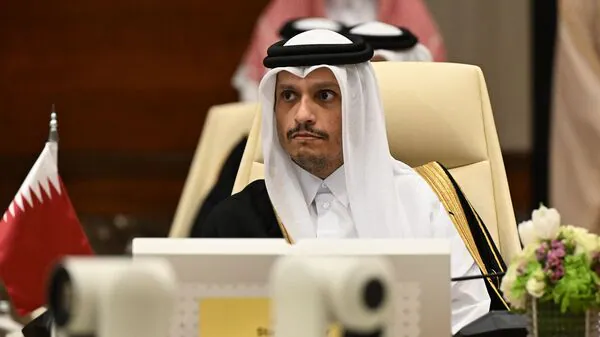
Qatari Prime Minister Mohammed bin Abdulrahman bin Jassim Al Thani met with US Vice President JD Vance in Washington on May 8, 2026. Their discussions centered on efforts to promote stability in the Middle East and address the ongoing conflict with Iran. The high-level meeting showed diplomatic engagement between the two nations regarding regional security challenges. The primary objectives of the discussions included strategies for de-escalating the conflict and fostering conditions for lasting peace in the volatile region. This significant diplomatic exchange aimed to consolidate international efforts towards a more secure Middle East.
Focus on Iran War
Discussions between Qatari Prime Minister Mohammed bin Abdulrahman bin Jassim Al Thani and US Vice President JD Vance addressed the ongoing conflict involving Iran. The two officials focused on strategies to de-escalate tensions and facilitate an end to the war. A primary goal of the talks was to explore pathways for achieving long-term stability across the Middle East. These discussions specifically aimed at finding concrete steps to mitigate the impact of the conflict on regional security. Efforts to stabilize the region were central to the agenda, emphasizing diplomatic solutions to current challenges. The meeting sought to align Qatari and US approaches towards mitigating the impact of the conflict and fostering a more secure environment. Both leaders recognized the necessity of sustained engagement to navigate the complex regional dynamics. They showed the importance of a coordinated international response to the challenges posed by the conflict. The dialogue provided an opportunity to share perspectives and develop a common understanding of the path forward.
Pakistan's Mediation Role
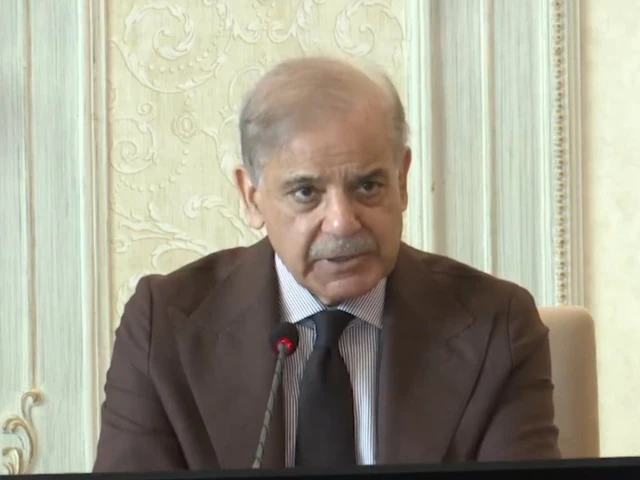
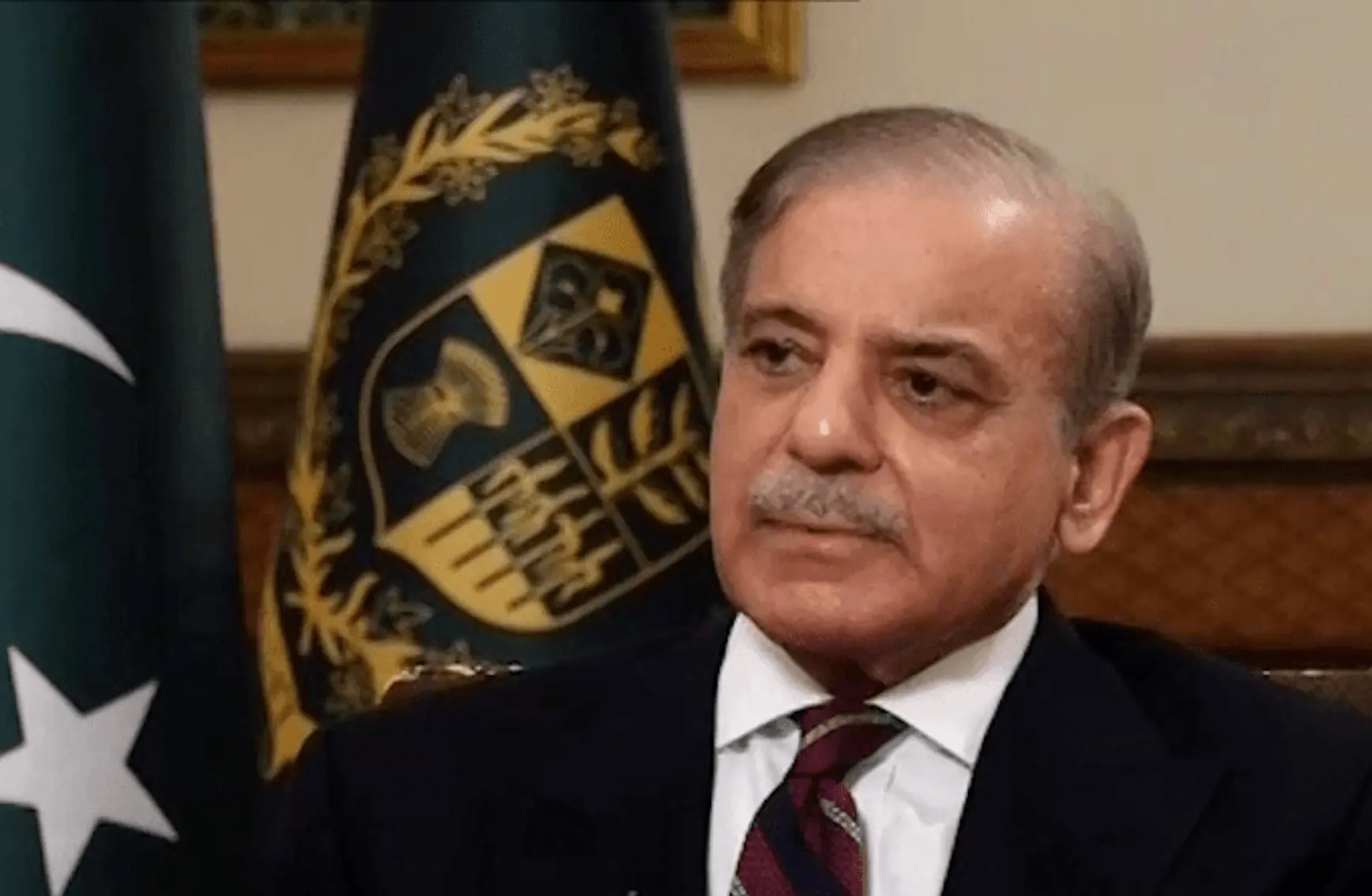
The discussions between Qatari Prime Minister Mohammed bin Abdulrahman bin Jassim Al Thani and US Vice President JD Vance in Washington included a focus on Pakistan's ongoing mediation efforts. Officials reviewed Pakistan's role in facilitating dialogue between the parties involved in the regional conflict. This aspect of the talks noted the broader diplomatic approaches being explored to de-escalate tensions in the Middle East. The engagement with Pakistan's initiatives shows a multifaceted strategy aimed at fostering stability and seeking resolutions to the ongoing conflict with Iran. The Qatari and US officials acknowledged the importance of various international actors contributing to peace processes. They specifically discussed the effectiveness and potential expansion of Pakistan's diplomatic channels. Efforts to bring an end to hostilities and establish a more secure environment in the region rely on such coordinated diplomatic endeavors. The inclusion of Pakistan's mediation on the agenda signals a recognition of its contributions to regional stability. This recognition reinforces the idea that a collaborative approach involving multiple international partners is essential for achieving peace. Further details on the specific nature or progress of these mediation efforts were not immediately released following the high-level meeting. The talks showed a shared commitment to supporting initiatives that can lead to a peaceful resolution and long-term security in the Middle East. Both nations expressed their support for continued diplomatic overtures.
Call for Dialogue
The two sides involved in the discussions stressed the importance of a diplomatic approach to current regional challenges. Qatar’s Ministry of Foreign Affairs stated that both Prime Minister Mohammed bin Abdulrahman bin Jassim Al Thani and Vice President JD Vance emphasized "the necessity for all parties to respond to the ongoing mediation efforts in a manner that opens the door to addressing the roots of the crisis through peaceful means and dialogue." This call noted a shared view on the importance of engagement over escalation in resolving the broader conflict involving Iran. The statement underlined a commitment to fostering an environment where dialogue could lead to sustainable solutions. It also reinforced the belief that diplomatic channels are the most effective means to achieve lasting peace. Continued mediation efforts were presented as key for de-escalating tensions and paving the way for long-term stability in the Middle East. The officials reiterated that diplomatic engagement remains critical in navigating the complexities of the regional landscape.