From the archive
Qatar PM Sees Strong Possibility of US-Iran Diplomatic Solution, Stresses Regional Interests
Qatar's PM sees a strong possibility for a US-Iran diplomatic solution, stressing regional interests and the Strait of Hormuz.
Qatari Prime Minister and Foreign Minister Sheikh Mohammed bin Abdulrahman Al Thani stated there is a strong possibility of a diplomatic solution between the United States and Iran, emphasizing that any agreement must consider the interests of regional and global countries. In an interview with The New Arab's Arabic edition, Al-Araby Al-Jadeed, excerpts of which were published on Wednesday, Sheikh Mohammed bin Abdulrahman Al Thani said, "Despite the differences in positions between Tehran and Washington, we believe there is a strong possibility of reaching a diplomatic solution." He added that this depends on daily changing circumstances. He stressed that any US-Iran agreement must take into account the interests of the countries of the region and the wider world, ensuring that any resolution serves broader stability.
The Prime Minister indicated that Qatar, in coordination with Gulf states, is working to create space for diplomacy to resolve the crisis and reopen the Strait of Hormuz, calling it a priority. "What encourages us is the positive progress in the exchange of messages between Washington and Tehran, as indicated by recent developments," he noted. Sheikh Mohammed bin Abdulrahman Al Thani affirmed, "We reject the use of this passage as a pressure card in any conflict, whether political or military. Freedom of navigation is a fundamental principle of international law and is not open to compromise." He warned that closing the Strait would only deepen the crisis and expose regional and global interests to serious risks. This stance shows Qatar's commitment to upholding international maritime law and preventing any actions that could destabilize global trade and energy markets.
Diplomatic Pathways and Regional Stakes
Sheikh Mohammed bin Abdulrahman Al Thani, the Qatari Prime Minister and Foreign Minister, stated there is a strong possibility of reaching a diplomatic solution between the United States and Iran. He conveyed this perspective during an interview conducted in Doha. The Prime Minister's remarks noted ongoing efforts to bridge the differences between Washington and Tehran through diplomatic channels. He emphasized that progress in the exchange of messages between the two nations encourages these efforts, suggesting a constructive dynamic despite existing complexities. Qatar, in coordination with Gulf states, aims to facilitate an environment conducive to resolving the crisis. The Qatari Prime Minister's assessment reflects a persistent diplomatic engagement, seeking to transform potential confrontation into dialogue and resolution. The emphasis on a diplomatic solution aligns with Qatar's foreign policy principles, which prioritize mediation and de-escalation in regional disputes.
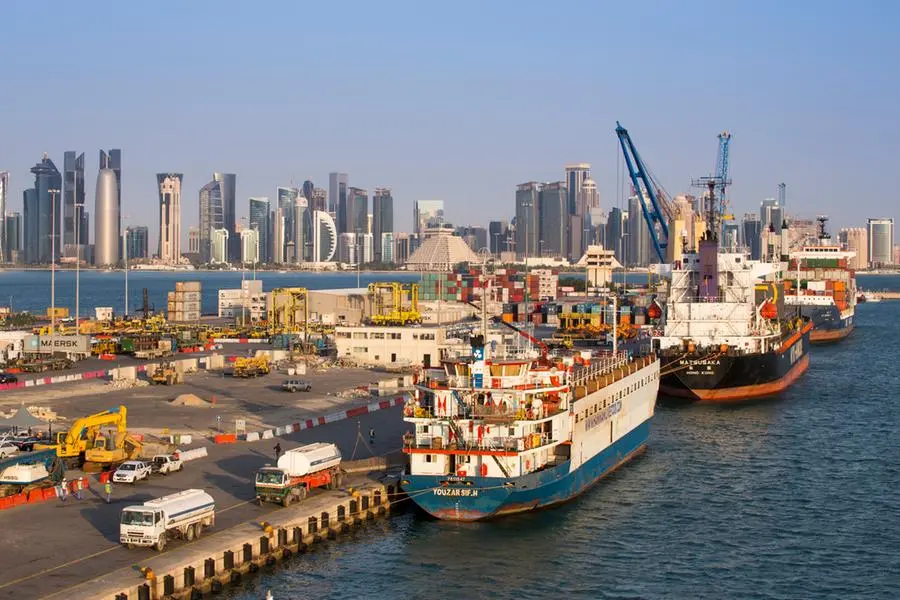
The Prime Minister reiterated Qatar's firm rejection of using the Strait of Hormuz as a pressure card in any conflict, whether political or military. He stressed that freedom of navigation through the vital waterway is a fundamental principle of international law and should not be subject to compromise. Sheikh Mohammed bin Abdulrahman Al Thani warned that any attempt to close the Strait of Hormuz would only exacerbate the regional crisis and expose both regional and global interests to significant risks. Qatar views the unfettered passage through the Strait as a priority for stability and economic continuity. This position shows the critical importance of the Strait of Hormuz as a global chokepoint for oil and gas shipments, impacting international energy security and trade. The Qatari government consistently advocates for its non-militarization and open access, recognizing its indispensable role in the global economy.
The interview, which serves as the basis for these reports, was conducted in Doha, showing Qatar's central role in regional diplomatic initiatives. The Prime Minister's comments reflect Qatar's ongoing engagement in mediating and de-escalating tensions in the wider Middle East. The article containing these statements was last updated on 07 May, 2026, at 08:58 AM, indicating the timeliness of the Qatari official's assessment of the US-Iran relationship. The diplomatic efforts discussed are part of a broader strategy by Qatar to promote dialogue and prevent further instability in the Gulf region. Sheikh Mohammed bin Abdulrahman Al Thani's statements highlight the enduring commitment to diplomatic solutions for disputes that carry significant international implications. His remarks also implicitly acknowledge the complex and multifaceted nature of the US-Iran relationship, where direct communication, even through intermediaries, remains key for managing tensions.
Gulf Security and Integration Imperatives
Relations with Washington are strategic, based on a full partnership, shared interests, and longstanding understandings, according to Sheikh Mohammed bin Abdulrahman Al Thani. This strategic alignment forms a cornerstone of Qatar's foreign policy, providing a stable framework for addressing regional challenges. Recent developments have confirmed that the security of Gulf Cooperation Council (GCC) states is indivisible. This understanding emphasizes that threats to one member state inevitably affect the security of all, necessitating a unified response. Confronting shared threats requires genuine integration among Gulf nations, moving beyond individual national security concerns to a collective regional security architecture. This call for integration reflects a growing recognition among GCC leaders of the interconnectedness of their security fates in an increasingly volatile geopolitical landscape.
The GCC states' leaders have instructed the General Secretariat to accelerate the completion of all interconnected joint projects, including oil and gas pipeline initiatives. These projects aim to bolster economic ties and energy security across the region. The emphasis on such infrastructure shows a commitment to practical, collaborative measures that can enhance stability and resilience for all member states. This directive notes a collective recognition of the necessity for unified action in addressing common challenges. Such projects are seen as vital for creating interdependencies that strengthen regional cohesion and provide shared benefits, thereby reducing the likelihood of internal disputes and enhancing collective bargaining power on the international stage. Accelerating these initiatives is a strategic move to solidify economic and energy independence, as well as to create a more strong regional market.
The GCC summit stressed the need to intensify military integration among GCC states. This includes accelerating the completion of the ballistic missile early warning system, a critical component for regional defense. Such integration efforts are designed to create a more cohesive and effective security architecture capable of deterring and responding to potential threats. The focus on military cooperation reflects a strategic alignment among GCC members to safeguard their collective security interests in a complex geopolitical environment. This military integration is not merely about procurement but also about interoperability, joint training, and shared intelligence, all of which contribute to a more formidable and coordinated defense posture. The ballistic missile early warning system, in particular, addresses a significant regional security concern by providing timely alerts against potential aerial threats, thereby enhancing the defensive capabilities of all member states.
Economic Resilience and Sovereignty
Qatar's sovereignty constitutes a "red line" that would never be compromised, Sheikh Mohammed bin Abdulrahman Al Thani stated. He affirmed that the state possesses "clear plans, flexible strategies, and financial reserves sufficient for long periods." This declaration shows Qatar's unwavering commitment to its national independence and its capacity to withstand external pressures. The Qatari Prime Minister also emphasized that civilian facilities should never become targets in any conflict, reinforcing a fundamental principle of international humanitarian law. The Qatari economy has repeatedly demonstrated its capability to absorb shocks and effectively manage them, showcasing its inherent resilience and strategic planning. This proven ability to navigate economic turbulence provides a strong foundation for maintaining sovereignty and stability.
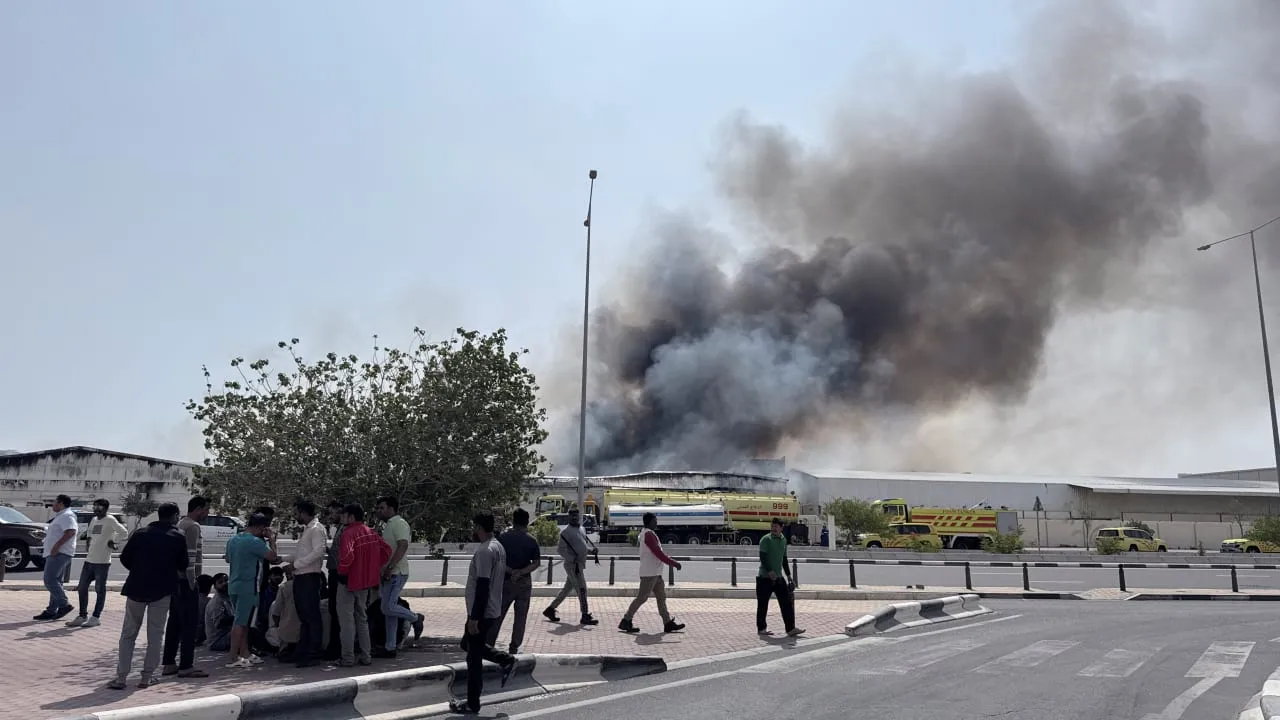
Sheikh Mohammed bin Abdulrahman Al Thani indicated that the upcoming phase for Qatar would involve measures aimed at improving and rationalizing public spending. This forward-looking economic approach seeks to ensure long-term fiscal health and efficiency, further strengthening the state's financial position. The Prime Minister's remarks come amid recent Iranian attacks on vital facilities within Qatar. More than 66 missiles and drones were reported to have targeted civilian facilities across Qatar, including energy projects located in Ras Laffan and Mesaieed. These incidents have showed regional security concerns, noting the persistent threats faced by critical infrastructure in the Gulf. Additionally, the article mentioned the arrest of Iranian spies in Qatar, indicating a complex security environment and the need for strong counter-intelligence measures. These events provide a stark backdrop to the Prime Minister's emphasis on national sovereignty, economic resilience, and the protection of civilian infrastructure. The deliberate targeting of energy facilities, such as those in Ras Laffan and Mesaieed, carries significant implications not only for Qatar's economy but also for global energy markets, given the country's role as a major liquefied natural gas (LNG) exporter. The presence of Iranian spies further complicates the security landscape, suggesting ongoing covert activities that could undermine regional stability and Qatar's national interests.