From the archive
Qatar Resumes LNG Exports Through Strait of Hormuz Amid Regional Tensions
Qatar has resumed LNG exports through the Strait of Hormuz, marking its first shipment out of the region since the Iran war began, amid rising regional…
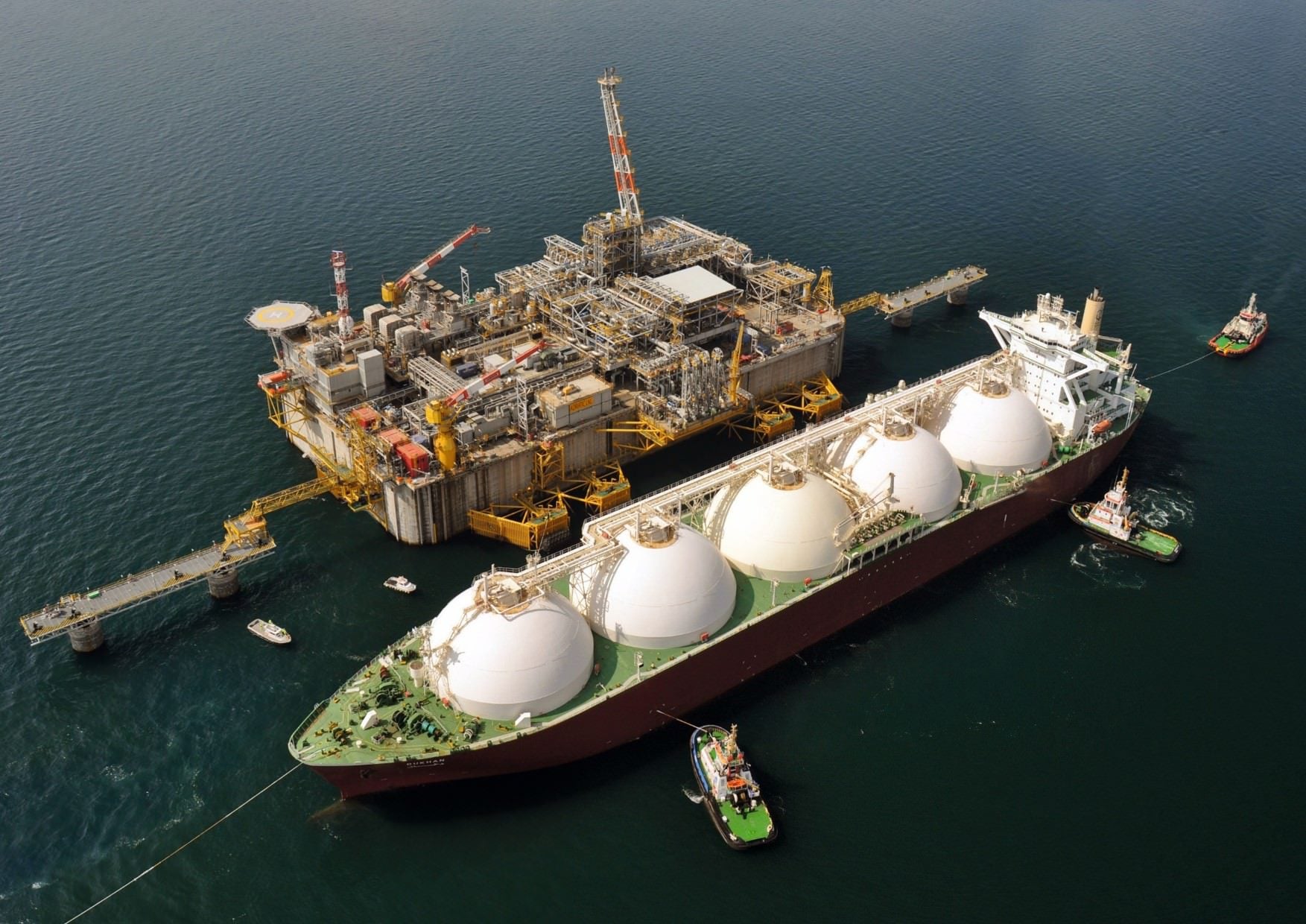
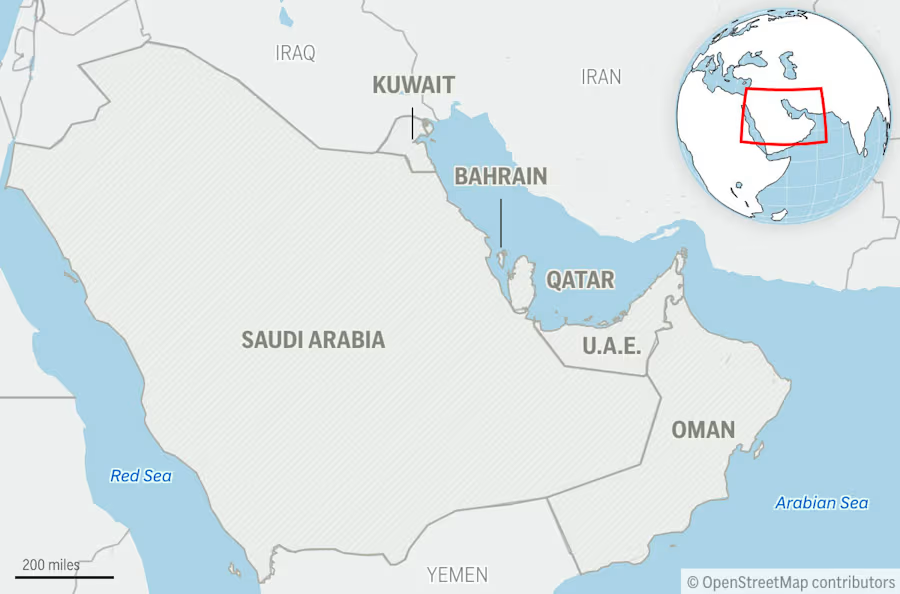
A tanker transporting liquefied natural gas (LNG) from Qatar appears to have transited the Strait of Hormuz, marking the country’s first export out of the region since the Iran war began. This significant movement signals a resumption of Qatar's key LNG shipments through the critical waterway. The transit of the vessel occurred despite heightened regional tensions that have been affecting shipping routes and raising concerns about maritime security in the Persian Gulf. The ability of the Qatari tanker to navigate this strategic chokepoint provides an important indicator of the current operational environment for energy exports from the region.
Tanker Details and Route
The vessel in question, the Al Kharaitiyat, which loaded at the Ras Laffan export plant earlier this month, has exited the Strait of Hormuz and is currently located in the Gulf of Oman, according to ship-tracking data compiled by Bloomberg. The vessel is listing Pakistan as its next destination, the data indicates, suggesting its cargo is bound for Asian markets. Ship-tracking data further showed that the Al Kharaitiyat appears to have navigated the Tehran-approved northern route, which follows the Iranian coast through the strait. This specific routing choice could be a factor in its successful passage amid the prevailing geopolitical climate. Qatar’s Nakilat owns the Al Kharaitiyat, according to information from the ship database Equasis, noting the involvement of a major Qatari shipping entity. The tanker's movement marks a significant development for Qatar's LNG exports through the critical waterway, signaling a potential return to regular operations for the major energy exporter.
Regional Export Context
Qatar, a key player in global energy markets, produced almost a fifth of the global liquefied natural gas (LNG) supply last year. Despite this substantial contribution, the country hadn’t been able to move any LNG out of the Persian Gulf since the conflict began at the end of February. The recent transit by the Al Kharaitiyat therefore marks a key resumption of these critical shipments, which are vital for meeting global energy demand. The ongoing regional tensions had previously impacted the flow of Qatari LNG through the Strait of Hormuz, causing uncertainty among international buyers and potentially affecting global supply chains.
However, other regional energy exporters have continued to utilize the waterway. Bloomberg reported earlier this week that at least two LNG tankers belonging to Abu Dhabi National Oil Co. (ADNOC) have successfully traversed the strait since the conflict began. These ADNOC vessels loaded from the company’s export plant before navigating the critical maritime chokepoint without reported incident. The continued movement of these tankers notes the varied impacts of regional events on different energy producers operating in the Persian Gulf, and possibly different operational strategies employed by various nations.
Significance of Resumption
The resumption of Qatari LNG exports through the Strait of Hormuz carries significant implications for global energy markets and regional stability. Qatar, as a major producer of liquefied natural gas, accounts for a substantial portion of the world's supply, making its consistent export capacity vital for importing nations, particularly those in Asia and Europe. The passage of the Nakilat-owned Al Kharaitiyat through the critical waterway alleviates concerns about potential disruptions to this supply chain, which had been impacted since the conflict commenced. This development provides a degree of reassurance to energy consumers and trading partners dependent on Qatari gas, indicating a potential return to more predictable supply patterns. It also suggests a potential stabilization of transit conditions, or at least a new operational approach, for vessels navigating the Strait of Hormuz amid ongoing regional tensions. This successful transit could set a precedent for future movements and help to restore confidence in the security of this vital maritime passage.