From the archive
Qatar Seeks US LNG Amid Iran War Disruptions
Qatar is seeking long-term liquefied natural gas (LNG) supply agreements from US producers due to Middle East tensions disrupting its own shipments via…
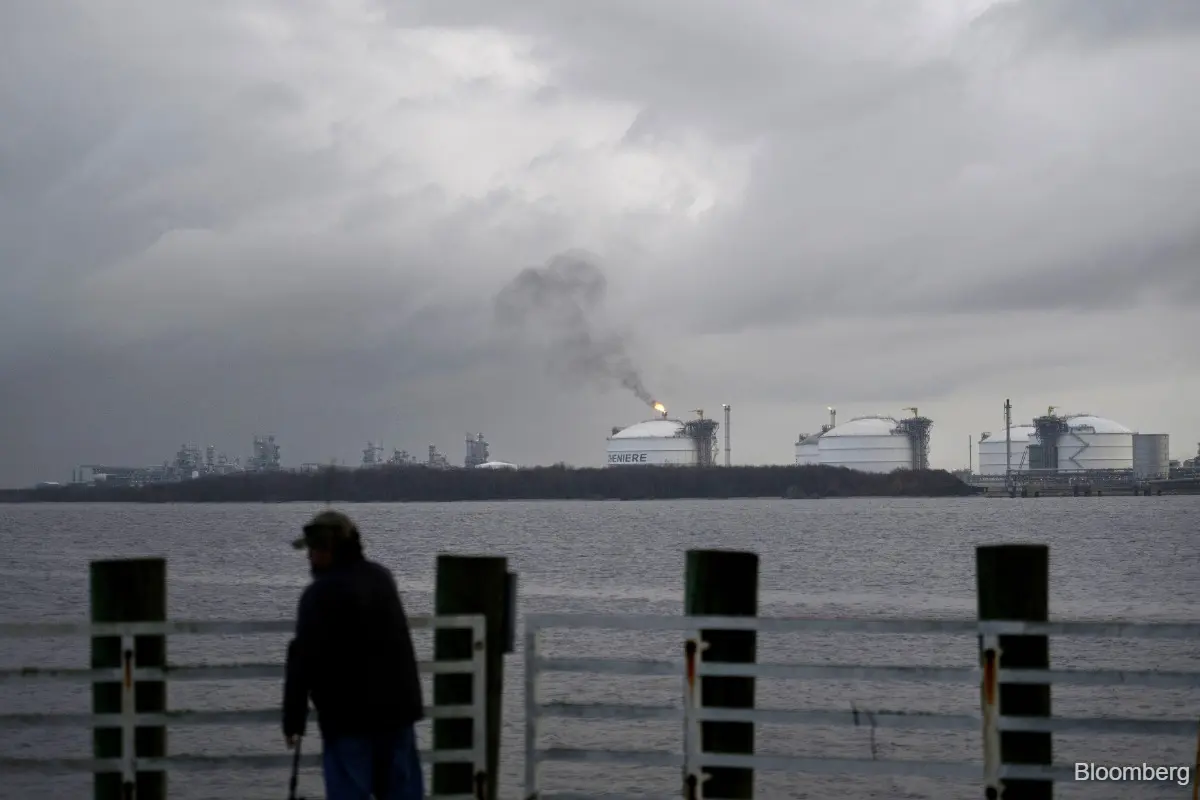
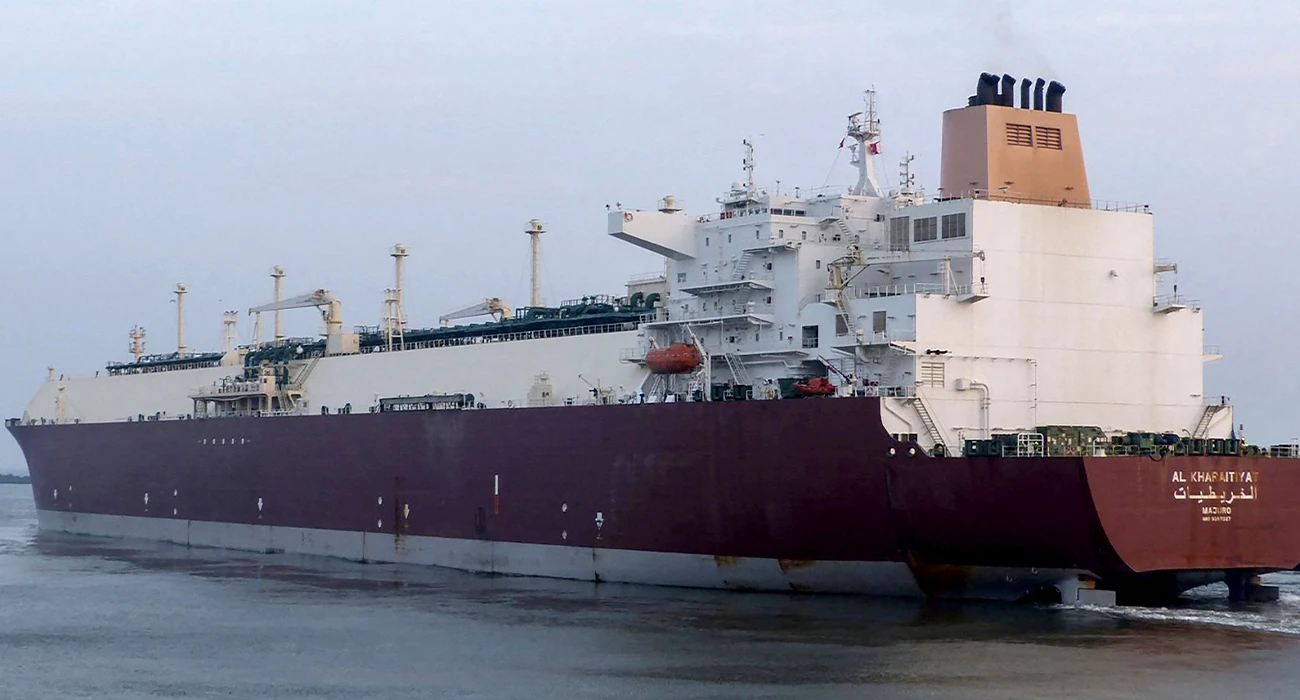
Qatar is currently in discussions to secure long-term liquefied natural gas (LNG) supply agreements from US producers. The Gulf nation's LNG shipments have largely ceased due to the heightened risks associated with transiting gas tankers through the Strait of Hormuz. This strategic shift aims to mitigate disruptions caused by ongoing tensions and potential conflict in the Middle East, ensuring the continuity of its energy commitments to international partners. The move notes the profound impact regional instability can have on global energy supply chains and the proactive measures nations are taking to secure vital resources.
US Supply Discussions Intensify
State-owned QatarEnergy has expressed interest in securing supplies from both operational and developing US liquefied natural gas export projects. This engagement occurs as Qatar seeks to diversify its energy sources amid regional shipping concerns, particularly given the challenges posed by transit routes through the Strait of Hormuz. The discussions involve potential long-term agreements for the purchase of liquefied natural gas from various US suppliers, showing a significant pivot in Qatar's energy procurement strategy. QatarEnergy, a major player in the global energy market, is also notably one of the owners of the Golden Pass LNG plant, located in Texas. That facility commenced its export operations in April, marking a new milestone in US LNG capabilities. The interest from QatarEnergy signals a strong demand for reliable, long-term supply contracts from the burgeoning US LNG sector.
Iran War's Impact on Qatar
The ongoing conflict with Iran has severely impacted Qatar's capacity to deliver natural gas to its international clients. A significant blow occurred in the early weeks of the conflict when an Iranian strike damaged the Ras Laffan LNG export plant, the world's largest facility of its kind. This incident has crippled Qatar's ability to supply its own customers, prompting the Gulf state to explore alternative arrangements for its energy commitments. The damage to the key export facility shows the direct consequences of regional instability on global energy supply chains and the vulnerability of critical infrastructure. This disruption has forced Qatar to seek external sources to fulfill its contractual obligations, a stark reversal for a nation that has historically been a major exporter.
Global LNG Landscape Shifts
Qatar previously supplied approximately one-fifth of the world's liquefied natural gas (LNG), solidifying its position as a key global energy provider. The significant disruption to its export capabilities has, therefore, prompted a re-evaluation of global energy supply strategies among both producers and consumers. The halt in shipments from a major supplier like Qatar creates a substantial void in the market, increasing demand for alternative sources. Meanwhile, top US officials have reportedly raised the prospect that the ongoing conflict with Iran could persist through 2029. This extended timeline suggests a prolonged period of instability for energy transit routes in the Middle East, influencing long-term contracting decisions for major energy suppliers and consumers alike. The potential for such a protracted conflict further emphasizes the need for diversified and secure energy supply chains.
Future Supply Outlook
The Ras Laffan LNG export plant, a critical facility for global gas supplies, faces an extensive recovery period following recent damage. Industry assessments indicate that full repairs to the plant could take between three and five years. This extended timeline suggests a prolonged impact on Qatar's ability to resume its previous export levels from this site, significantly altering its role in the global LNG market for the foreseeable future. The potential for such a lengthy disruption underpins Qatar's intensified efforts to secure alternative long-term liquefied natural gas supplies from the United States to meet its existing commitments and maintain its market position. These long-term agreements are key for Qatar to ensure reliability for its customers and to mitigate the economic repercussions of the damage to its primary export facility.