From the archive
Qatar Sets September 2026 Deadline for Afghan Evacuee Relocation
Qatar has set a September 29, 2026 deadline for the relocation of over 1,100 Afghan evacuees currently housed in Doha.
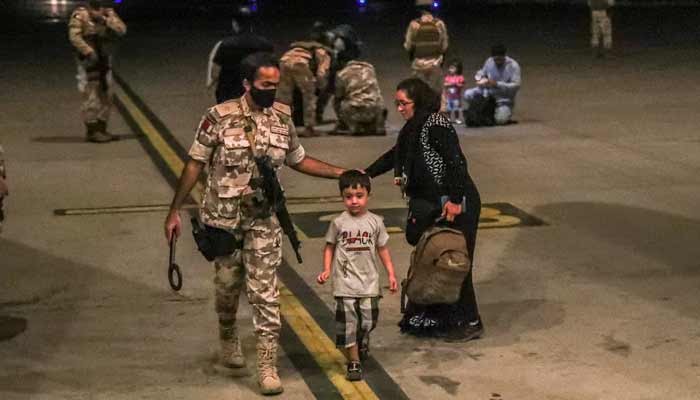
Qatar has formally requested the United States to relocate Afghan evacuees residing in Doha by September 29, 2026. The Gulf state has set this definitive deadline for the more than 1,100 evacuees currently housed at Camp As Sayliyah in Qatar. This move signifies a clear timeline for the future of these individuals, who have been in Doha since the United States' withdrawal from Afghanistan. The request shows Qatar's consistent position that its role in hosting these individuals is temporary, serving as a critical transit point rather than a permanent resettlement solution.
Temporary Hosting Arrangement Details
Qatar and the United States have agreed to continue their temporary hosting arrangement for Afghan evacuees until 2026, specifically until the September 29, 2026 deadline. This agreement specifically covers Afghan nationals who were evacuated following the Taliban takeover of Afghanistan in 2021. The initial understanding between the two nations was signed in 2023, establishing the terms for the temporary housing of these individuals. The arrangement has since been extended once, with that extension occurring in 2024 to accommodate the ongoing situation and the need for more time to find permanent solutions. The current agreement stipulates a firm relocation deadline for those Afghans currently residing in Doha, emphasizing the temporary nature of their stay in the Gulf nation.
Camp As Sayliyah Operations
Afghan evacuees are currently accommodated at Camp As Sayliyah, a facility situated near the Qatari capital of Doha. This camp served a key role as a key transit center during the United States' withdrawal from Afghanistan in 2021, facilitating the movement of individuals out of the country following the collapse of the Afghan government. The facility has provided shelter and support services to the evacuees, acting as an interim home for those awaiting resettlement. Qatar has formally requested that no additional Afghan evacuees be directed to its territory, indicating a clear desire to manage the existing population without further increases and to avoid expanding its temporary hosting commitments. The camp continues to house more than 1,100 evacuees as arrangements are made for their eventual relocation.
US Responsibility for Relocation
The United States bears the sole responsibility for relocating Afghan evacuees from Qatar after the September 2026 deadline. This obligation includes finding permanent resettlement solutions for the individuals currently housed at Camp As Sayliyah. The arrangement shows the United States' commitment to these evacuees, who were initially brought to Qatar following the 2021 withdrawal from Afghanistan and the subsequent humanitarian crisis. The impending deadline necessitates a clear and actionable plan for their transfer and integration into new host countries, ensuring a stable future for those displaced. This responsibility notes the ongoing partnership between Qatar and the United States in addressing the aftermath of the Afghan withdrawal.
Future Implications and Next Steps
Qatar has consistently stressed that its hosting arrangement for Afghan evacuees must remain temporary. The Gulf state has reiterated that its role is to provide a transit point, not a permanent resettlement solution, for those displaced following the 2021 withdrawal from Afghanistan. This position reinforces the United States' responsibility to find long-term homes for the more than 1,100 individuals currently residing at Camp As Sayliyah in Doha. The September 29, 2026 deadline established by Qatar shows the urgent need for Washington to accelerate its efforts in securing lasting placements for these evacuees. The successful relocation of these individuals will be a critical step in fulfilling the commitments made by the United States to those who aided its mission in Afghanistan.