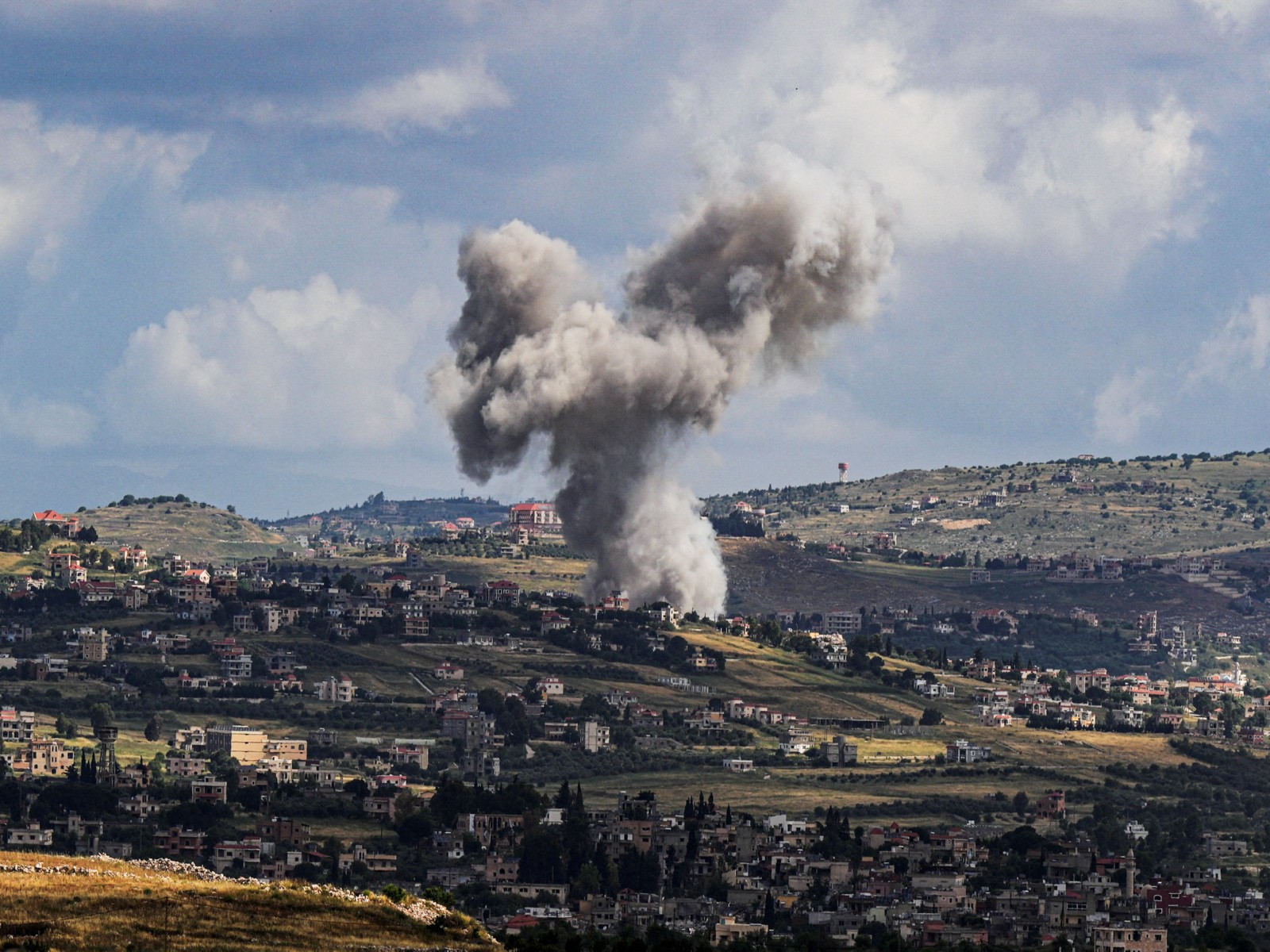
From the archive
Qatar: Trump Intervention Averted Israeli Strikes on Beirut
Qatar reports US President Trump intervened to avert planned Israeli strikes on Beirut following a call with Netanyahu.
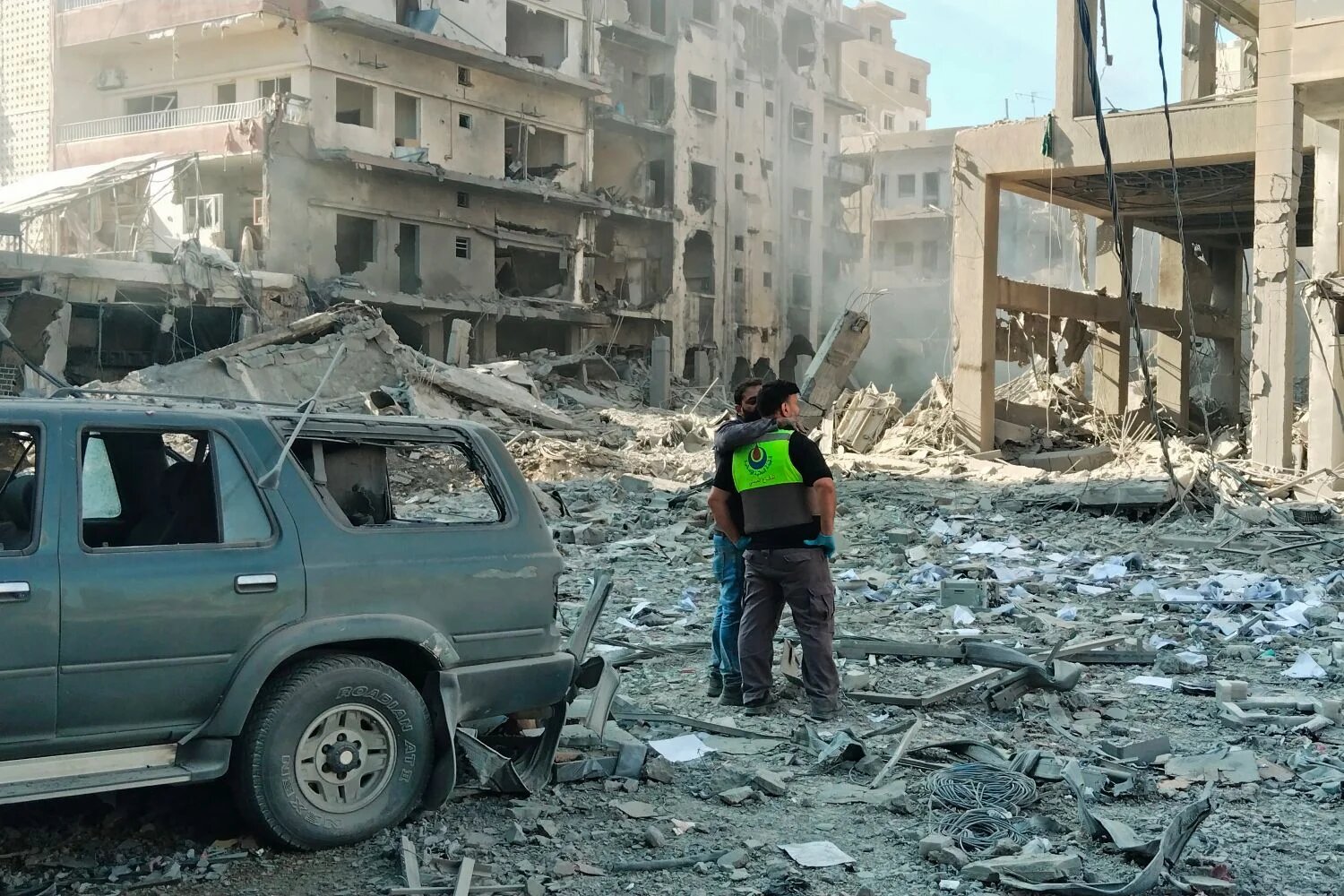
A Qatari diplomatic source informed Al Jazeera that the United States had notified Doha of the cancellation of threatened Israeli strikes against Beirut's southern suburbs. This development followed a lengthy phone call between US President Donald Trump and Israeli Prime Minister Benjamin Netanyahu on Monday, during which they discussed the escalating crisis in Lebanon and ongoing talks with Iran. Reports indicated that Trump subsequently intervened to halt Netanyahu's plan to target Hezbollah in Beirut, after Iran reportedly threatened to abandon negotiations with the U.S. Over Israel's actions in Lebanon.
The Israeli military had issued a statement in Arabic urging "all residents of the Dahieh district in Beirut to relocate for their safety," suggesting impending action. Later, the Lebanese Embassy in Washington announced that Hezbollah had accepted a US proposal for a "mutual cessation of attacks." President Trump confirmed his intervention, stating, "I had a very productive call with Prime Minister Bibi Netanyahu, of Israel, and there will be no Troops going to Beirut, and any Troops that are on their way, have already been turned back." Trump also claimed he had a "very good call" with "highly placed Representatives" of Hezbollah, who agreed "that all shooting will stop — That Israel will not attack them, and they will not attack Israel."
Escalation and Diplomatic Push
Israeli Prime Minister Benjamin Netanyahu and Defense Minister Israel Katz issued a joint statement threatening to bomb Hezbollah targets in Beirut's Dahieh district "following repeated violations of the ceasefire." Netanyahu reportedly informed President Trump that Israel would attack targets in Beirut if Hezbollah continued its assaults, while maintaining operations in southern Lebanon. Iranian Foreign Minister Abbas Araghchi warned on X that Israel's actions violated the U.S.-Iran ceasefire, stating the U.S. And Israel would bear "the consequences of any violation." Iranian officials also told the semi-official Tasnim News Agency that talks with the U.S. Would not proceed until Israeli attacks in Lebanon ceased, threatening retaliation in the Strait of Hormuz. The U.S. Had reportedly urged Israel against striking Beirut for several weeks as part of de-escalation efforts, with a senior U.S. Official telling Axios that Trump believed Netanyahu's threats were excessive. Meanwhile, Lebanese parliament speaker Nabih Berri informed the Trump administration on Sunday that Hezbollah was prepared for a full and immediate ceasefire with Israel, pledging to guarantee its implementation, according to Berri's top adviser Ali Hamdan.
The Trump-Netanyahu Call
Qatar initiated contacts with the United States on Sunday to de-escalate tensions in southern Lebanon. Qatari officials have been involved in mediation efforts aimed at reinforcing the existing ceasefire. Hours after Iran issued a warning regarding Israeli actions, President Donald Trump spoke with Israeli Prime Minister Benjamin Netanyahu. Following this call, Trump claimed on Monday that the Iran negotiations "are continuing, at a rapid pace."
Trump stated, "I had a very productive call with Prime Minister Bibi Netanyahu, of Israel, and there will be no Troops going to Beirut, and any Troops that are on their way, have already been turned back." Secretary of State Marco Rubio proposed a deal where Israel would suspend its planned attacks on Beirut in exchange for Hezbollah halting its attacks on Israel. Trump also confirmed that "all shooting will stop — That Israel will not attack them, and they will not attack Israel."
Ceasefire Details Emerge
Talks between Israeli and Lebanese diplomats, previously scheduled for Tuesday in Washington, will proceed as planned, a U.S. Official confirmed. The ongoing diplomatic efforts aim to solidify commitments made during recent high-level discussions. The U.S. Official stated that "The U.S. Does not expect Israel to absorb ongoing attacks on its civilians by a terrorist organization." This statement shows Washington's position regarding the security situation. The planned talks represent a step towards de-escalation, following reports of a mutual cessation of attacks between Israel and Hezbollah. The discussions are expected to build upon the recent intervention by President Donald Trump, which averted threatened Israeli strikes on Beirut. These diplomatic engagements are seen as key for maintaining the newly established ceasefire and addressing underlying tensions in the region.