From the archive
Qatar, UK, France Delegation Reaffirms Support for Lebanon
Qatar, UK, and France delegation met Lebanese President Aoun in Beirut to reaffirm support for sovereignty, stability, and UN Resolution 1701.
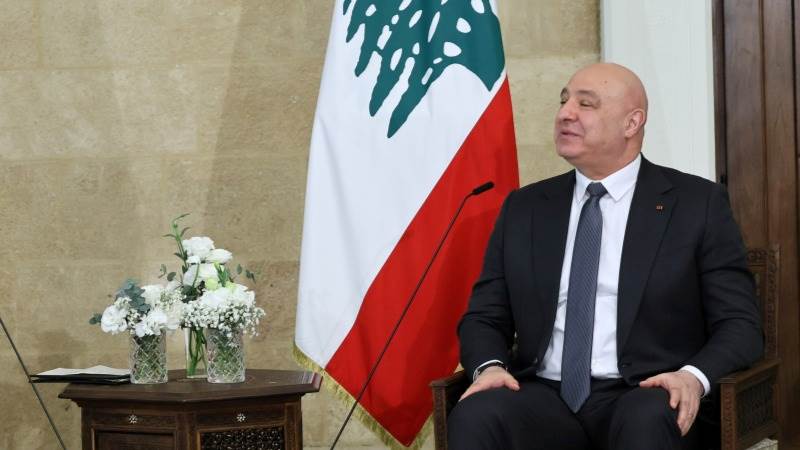
A joint ministerial delegation from Qatar, the United Kingdom, and France arrived in Beirut on Thursday for high-level discussions, showing a concerted international effort to bolster stability in the region. The three-nation group met with Lebanese President Joseph Aoun during their visit to the Lebanese capital, engaging in key talks that noted the international community's commitment to the nation. The delegation's presence in Beirut showed these international efforts to support Lebanon, emphasizing the importance of coordinated diplomatic action during a sensitive period for the country.
Delegation Details and Objectives
The joint delegation, a powerful symbol of trilateral cooperation, comprised Qatari Minister of State for International Cooperation Maryam bint Ali bin Nasser Al Misnad, UK Foreign Office Minister Jenny Chapman, and French Minister Delegate Eleonore Caroit. Their presence in Beirut signaled a unified approach by the three nations to address Lebanon's pressing challenges and to offer tangible support. The ministers engaged in full discussions aimed at reinforcing international assistance and exploring avenues for stability within the country. This trilateral effort follows ongoing concerns about the economic and political situation in Lebanon, which has prompted various international stakeholders to increase their engagement. The visit shows the international community's continued commitment to supporting Lebanese institutions and its people during a critical period, seeking to foster resilience and promote recovery.
The high-level representatives from Qatar, the United Kingdom, and France used their visit to reiterate their collective dedication to Lebanon's future. Their discussions with President Aoun and other Lebanese officials focused on practical steps that could be taken to alleviate current pressures and build a more secure environment. The delegation emphasized the importance of internal unity and the need for continued reforms to address the country's multifaceted crises. This unified stance from three influential nations aimed to send a clear message of solidarity and sustained partnership to the Lebanese government and its citizens.
Regional Context and Resolution 1701
The joint delegation's meeting with President Aoun reaffirmed strong support for Lebanon's sovereignty, its stability, and the full implementation of UN Security Council Resolution 1701. This resolution, which was adopted in 2006, calls for a full cessation of hostilities and strict respect for the Blue Line, serving as a critical framework for maintaining peace and security in the border regions. The reaffirmation of support for Resolution 1701 by the joint delegation notes its enduring relevance in safeguarding Lebanon's territorial integrity and preventing escalations. The diplomatic visit occurred amidst a complex regional landscape, notably against the backdrop of Lebanon's inclusion in a memorandum of understanding between the United States and Iran. This broader regional agreement impacts the geopolitical landscape of the Middle East, adding another layer of complexity to the discussions aimed at ensuring Lebanon's security and future. The delegation's engagement thus took on added significance, navigating both internal Lebanese challenges and wider regional dynamics.
Broader Support Efforts
During their visit, the ministers reviewed the latest developments in Lebanon, taking into account the various challenges and opportunities facing the nation. Their discussions with Lebanese counterparts covered a wide array of topics, from economic reforms to humanitarian needs. The delegation reiterated their commitment to coordinating closely with international partners to maximize the effectiveness of aid and support initiatives. This coordination aims to support Lebanon's stability, aid in its recovery from ongoing crises, and bolster ongoing humanitarian efforts within the country, which remain vital for many Lebanese citizens. The trilateral engagement notes a continued international focus on addressing the multifaceted challenges facing Lebanon, demonstrating a sustained and collaborative approach to assisting the nation through its current difficulties. The visit served as a platform to align strategies and ensure that international assistance is both timely and impactful, reflecting a shared determination to see a stable and prosperous Lebanon.