From the archive
Qatar Urges Resumption of Diplomatic Track with Iran Amid Regional Tensions
Qatar's Prime Minister urges resuming diplomatic ties with Iran to resolve regional differences and prevent escalation, stressing dialogue as the optimal…
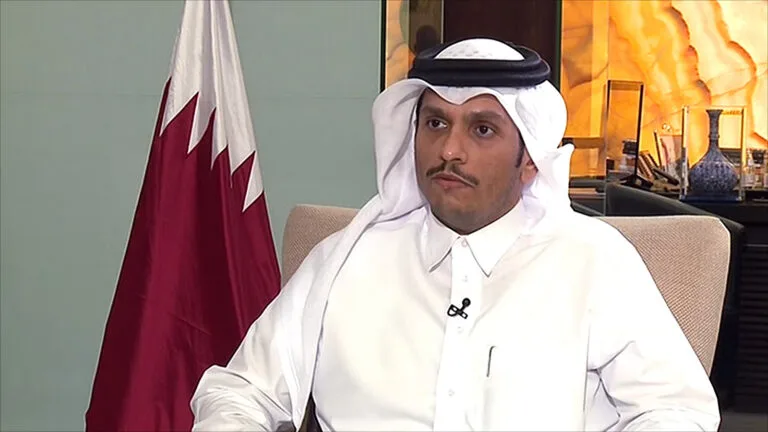
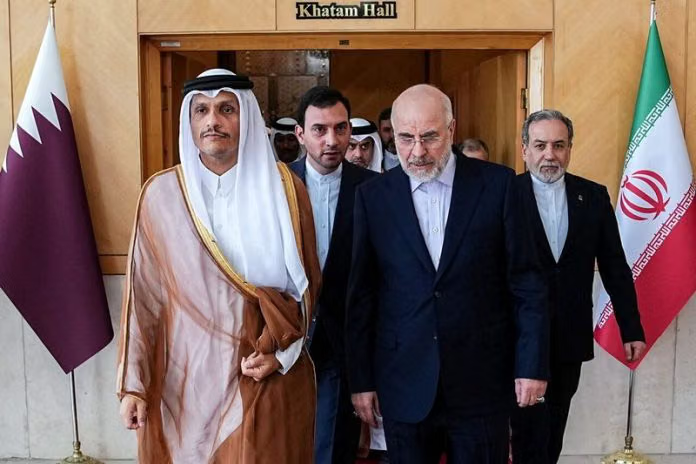
Qatari Prime Minister and Minister of Foreign Affairs Sheikh Mohammed bin Abdulrahman Al Thani recently held discussions in Tehran with Iranian Parliament Speaker Mohammad Bagher Ghalibaf. The high-level meeting comes as Qatar advocates for the resumption of diplomatic engagement with Iran amidst ongoing regional tensions, showing Doha's persistent efforts to foster stability.
Doha's Diplomatic Push
The Qatari Prime Minister noted Doha’s ongoing diplomatic efforts, emphasizing the importance of containing regional friction and fostering political engagement. His visit reflects Doha’s proactive diplomacy, which aims at preventing localized crises from escalating into broader regional conflicts. This strategic approach is a cornerstone of Qatar's foreign policy, particularly in a volatile Middle Eastern landscape. Qatar continues to maintain active communication channels with key regional actors, working diligently to build consensus around peaceful settlement mechanisms. These channels are key for de-escalating potential flashpoints and encouraging constructive dialogue. This diplomatic initiative in Tehran further shows Qatar’s established role as a key mediator striving to restore regional calm. The Gulf nation consistently advocates for dialogue as the primary means to address complex geopolitical challenges in the Middle East, believing it to be the most effective path towards sustainable peace.
Key Discussions in Tehran
Discussions between Sheikh Mohammed bin Abdulrahman Al Thani and Mohammad Bagher Ghalibaf centered on establishing practical frameworks for achieving regional stability and resolving disputes peacefully. The talks delved into specific mechanisms and strategies that could be employed to foster a more secure environment across the Middle East. Qatar’s Ministry of Foreign Affairs confirmed the meeting addressed various political and security developments across the region, focusing intently on joint measures designed to reduce existing tensions. This included an exchange of perspectives on current challenges and potential collaborative solutions. Both sides also reviewed methods to create conducive conditions necessary for restarting formal communications among involved parties. The emphasis was placed on rebuilding trust and opening channels that have been strained or closed, which is vital for any long-term resolution. These full discussions align with Qatar's broader diplomatic efforts to de-escalate regional friction and promote political engagement. The Qatari delegation, led by Sheikh Mohammed bin Abdulrahman Al Thani, reiterated the importance of dialogue in preventing localized crises from escalating into broader conflicts, stressing that open lines of communication are critical.
Regional Stability Goals
The Qatari Prime Minister reiterated his country’s steadfast commitment to facilitating regional dialogue, noting emphatically that military escalations offer no sustainable solutions to complex geopolitical rivalries. Sheikh Mohammed bin Abdulrahman Al Thani emphasized Doha's consistent position that diplomatic engagement remains the most effective path toward de-escalation and achieving lasting peace in the region. He showed the belief that only through sustained dialogue can underlying issues be addressed comprehensively. Qatar actively seeks to create platforms for discussions among regional stakeholders to address underlying issues and build trust, fostering an environment where mutual understanding can flourish. This proactive approach is central to Doha's foreign policy, which prioritizes conflict prevention and resolution through peaceful means above all else. The Prime Minister's remarks noted the necessity of collaborative efforts to navigate current geopolitical challenges and foster an environment conducive to stability and cooperation, not just for the immediate future but for generations to come.