From the archive
Qatari-Gifted Boeing 747 Nears Completion as Interim Air Force One
A Boeing 747 gifted by Qatar, modified for interim Air Force One use, is nearing completion with testing finished and delivery expected this summer.
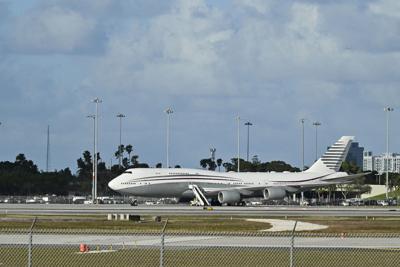
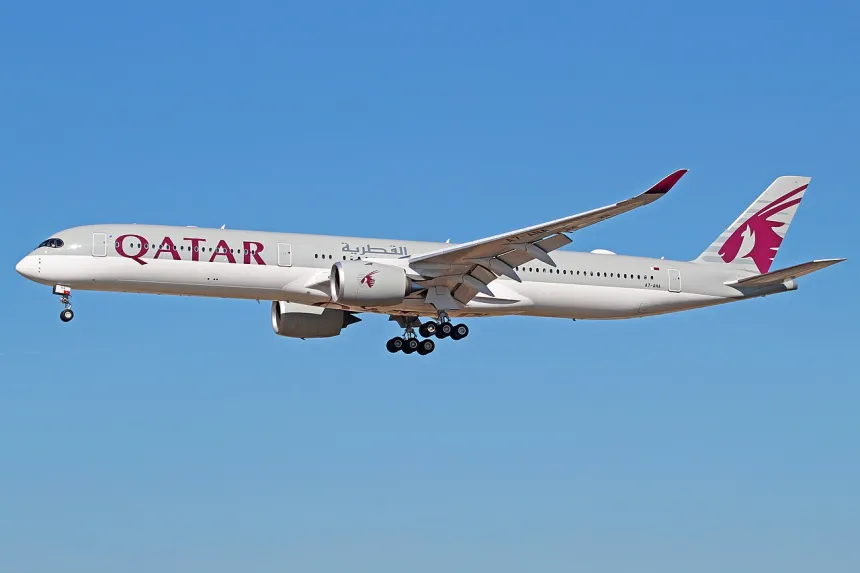
The U.S. Air Force announced late Friday that it has finished modifying and testing a Boeing 747 jet donated by Qatar, preparing it for temporary use as Air Force One. The aircraft is currently being painted red, white, and blue, according to reports, signaling its nearing completion for operational readiness. The Air Force stated the jet is on track for delivery this summer, marking a significant step in addressing the nation's presidential air transport needs.
This development follows the acquisition of the Boeing 747, originally intended for use by Qatar's royal family, which was gifted to the United States. Qatar formally gifted the jet to the United States in 2019, making it an official asset of the U.S. Government. The extensive modification process has adapted the aircraft to meet the rigorous security and operational standards required for presidential transport. Its distinctive red, white, and blue livery is now being applied, further noting its transformation into an official U.S. Government asset. The U.S. Air Force confirmed that all necessary modifications and testing procedures have been concluded, paving the way for its integration into the presidential fleet.
Aircraft Modifications and Testing
The jet is currently undergoing refurbishment at a facility in Texas, where it is being prepared for its new role as an interim Air Force One. Reports indicate the refurbishment encompasses a presidential suite and various other upgrades designed to meet the operational requirements for presidential travel, ensuring the highest standards of comfort, security, and communication capabilities. The refurbishment, which includes a presidential suite and other upgrades, has been a careful process. Vertex Aerospace has been identified as the company managing this complex project, overseeing the careful work required to transform the luxury aircraft into a secure presidential transport. The extensive refurbishment process for the aircraft commenced in 2021, involving a dedicated team of engineers and technicians.
The modified Boeing 747 is anticipated to be ready for service by the end of 2024. Although the U.S. Air Force has not disclosed the specific cost of these modifications, reports estimate the refurbishment cost at $10 million for the Qatari-gifted aircraft. This figure covers the specialized interior and systems upgrades necessary for its presidential role. Last year, the Air Force Secretary estimated the cost of retrofitting the plane to carry the president would be less than $400 million, a substantial investment reflecting the unique requirements of presidential air travel. However, lawmakers had suggested last year that overall costs for presidential aircraft modifications could exceed $1 billion, particularly given that the Qatari plane has been described as a "palace in the sky" due to its original luxurious configuration and the extensive adaptations required. The ongoing work at the Texas facility ensures that the aircraft will meet all necessary specifications before its official delivery. The Air Force did not reveal the specific cost of the modifications, maintaining discretion over the financial details of this sensitive project.
Background and Controversy
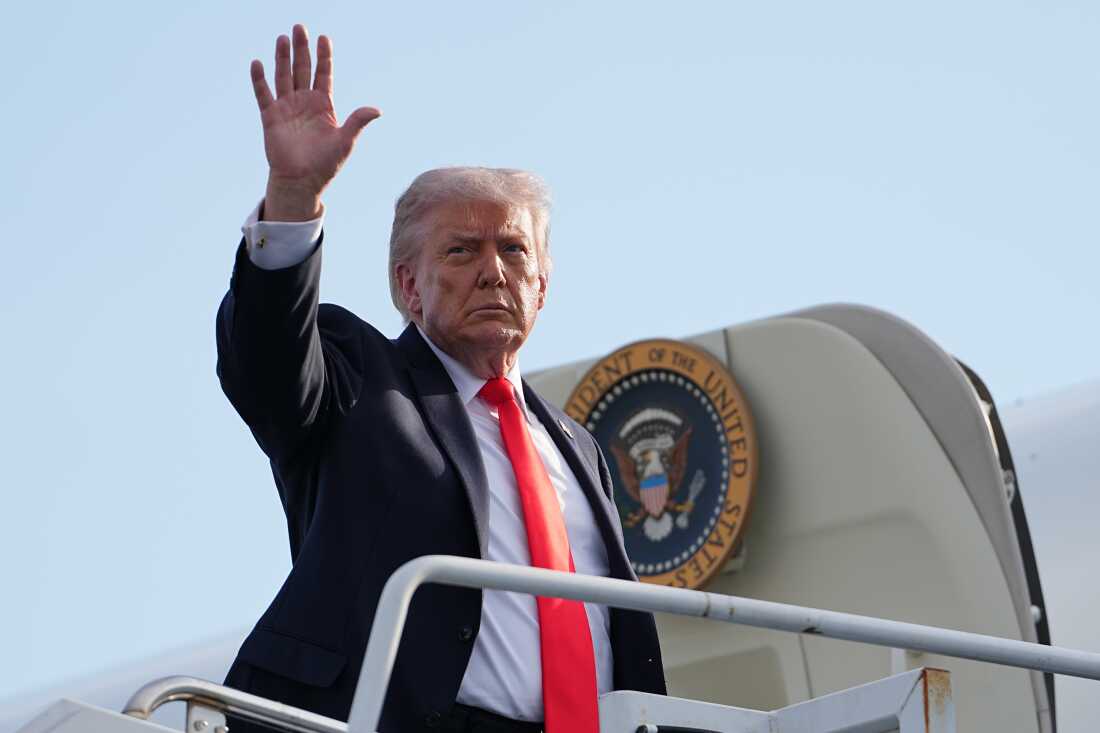
The acceptance of the Qatari-gifted Boeing 747 by then-President Donald Trump generated significant controversy during the initial months of his administration. This gift was recognized as one of the largest foreign donations ever made to the U.S. Government, immediately drawing scrutiny and debate. Critics suggested that outside entities might be attempting to curry favor with the White House through such a significant offering, raising both ethical and security concerns regarding the implications of a foreign power providing such a high-value asset. Using the aircraft given by a foreign power raised both ethical and security concerns, and spurred accusations that outside entities were trying to win favor with the White House, prompting a closer examination of the donation's origins and purpose.
Mr. Trump, addressing the controversy, stated that the aircraft would not be a personal gift to him, but rather that the Department of Defense would be the recipient. He clarified that the president would utilize the aircraft on a temporary basis, emphasizing its role as a governmental asset rather than a personal possession. Mr. Trump also indicated that he would not fly in the aircraft once his presidential term concluded, further distancing himself from any perception of personal enrichment from the gift. Qatar formally gifted the jet to the United States in 2019, making it an official asset of the U.S. Government. The ethical concerns surrounding the potential use of the jet by Donald Trump due to its origin as a gift have been a recurring theme in discussions about the aircraft. However, Mr. Trump has consistently defended the gift as a way to save taxpayer dollars, arguing that it represents a cost-effective solution for the nation's presidential transport needs. He has consistently asserted that accepting the gifted aircraft would save American taxpayers money.
This acquisition comes as the U.S. Air Force has been diligently managing its temporary air transport needs. Air Force officials confirmed that they leased a Boeing 747-8 freighter from Atlas Air, which was in service between October and February, to bridge gaps in presidential travel capabilities. This leasing arrangement provided key support during a period when the permanent fleet was undergoing maintenance or when additional capacity was required. In addition to the Qatari gift and the leased freighter, the United States has also purchased two Boeing jets from the German carrier Lufthansa. These acquisitions are intended for use in training exercises for aircrews and to provide a vital source of spare parts for the existing fleet, ensuring the long-term operational readiness and sustainability of presidential air transport.
Fleet Replacement and Future
The Qatari-gifted Boeing 747 will serve as an interim replacement until Boeing is ready to deliver new aircraft, with the first delivery now anticipated in 2028. Reports indicate this jet is intended as a replacement for the current Air Force One fleet, which has been in service for nearly four decades. The two planes currently used as Air Force One were originally built from scratch near the end of the Cold War, representing a significant technological achievement of their time. These two planes have been flying for nearly four decades, showing the need for their eventual replacement. Officials have emphasized that these existing aircraft are hardened against the effects of a nuclear blast, possessing advanced protective measures essential for presidential safety. The long service life of the current fleet shows the necessity of these interim and future replacements.
Boeing had previously proposed a 2027 delivery date for the new planes, which was three years later than the originally contracted date of December 2024, noting the challenges inherent in such complex aerospace projects. The aircraft modification program for the next generation of Air Force One has been plagued by technical glitches and extensive delays, according to reports, pushing back the timeline for their operational deployment. The program has faced nearly a decade of delays in total, a testament to the intricate engineering and rigorous testing required for presidential aircraft. The interim jet, a Boeing 747, has been retrofitted from 747s originally built for a now-defunct Russian airliner, a creative solution given that Boeing ceased production of 747s in 2023. This strategic acquisition and refurbishment demonstrate the Air Force's commitment to maintaining a strong and secure presidential air fleet, even amidst production challenges for new aircraft.
Official and Public Reactions
Defense Secretary Pete Hegseth accepted the luxury jet a year ago, according to reports, formalizing its transfer to the U.S. Government. The aircraft's origin as a gift has generated ongoing ethical concerns regarding its potential use by Donald Trump, particularly given the initial controversy surrounding its acceptance. These concerns have been a consistent topic of discussion among lawmakers and the public. Mr. Trump has consistently defended the gift, asserting that it represents a way to save taxpayer dollars, framing the acquisition as a fiscally responsible decision for the nation. His argument centers on the idea that accepting a gifted, highly capable aircraft reduces the financial burden on American taxpayers for presidential transport. The U.S. Air Force's announcement of the completion of modifications and testing brings the aircraft closer to its operational role, where it will temporarily fulfill the critical mission of transporting the President of the United States.