From the archive
Qatari LNG Ship Navigates Hormuz Amidst Conflict
A Qatari LNG ship, the Al Kharaitiyat, is attempting to navigate the Strait of Hormuz, marking the first export since a regional conflict began in late…
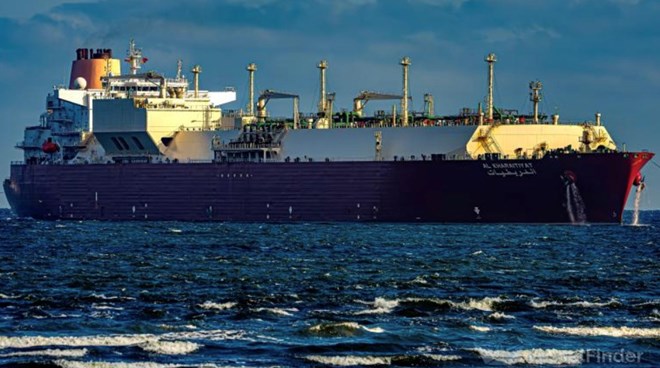
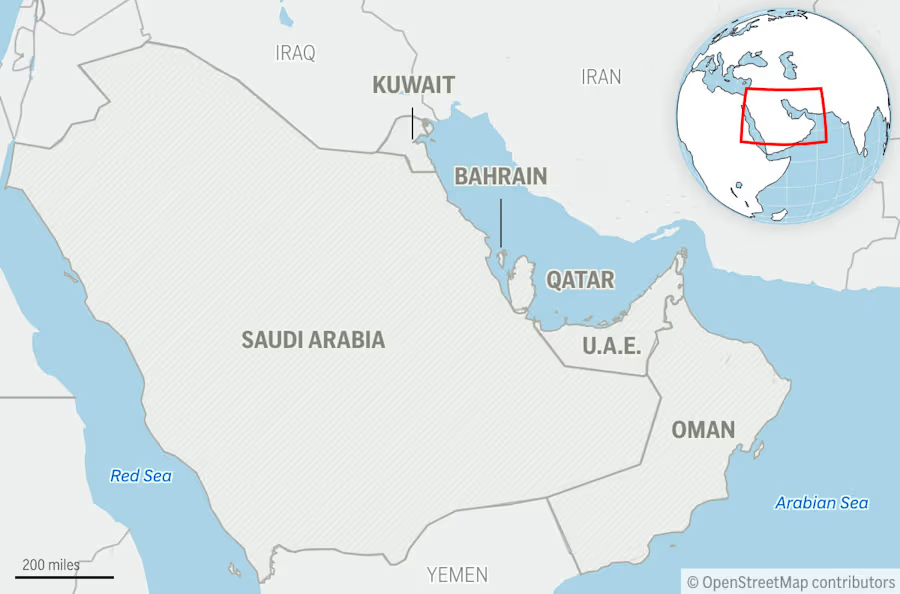
A Qatari liquefied natural gas (LNG) vessel is attempting to transit the Strait of Hormuz, marking the first such effort since a regional conflict began in late February. This significant movement by a ship carrying liquefied natural gas (LNG) from Qatar is being closely monitored by international observers. The ship, which departed from Qatar, aims to exit the Persian Gulf through the strategic waterway. Since the conflict's onset, Qatar has been unable to export any LNG cargoes from the Persian Gulf. This inability to bring any LNG out of the Persian Gulf has persisted since the conflict began in late February. The vessel has already navigated past Larak Island, an Iranian-controlled island located near the strait's entrance. This development comes as global attention focuses on the critical shipping lane amidst heightened tensions in the region, noting the ongoing challenges and security concerns in one of the world's most vital maritime chokepoints.
Ship's Journey Details
The LNG ship is identified as the Al Kharaitiyat, a vessel owned by Qatar's Nakilat company. The Al Kharaitiyat previously imported goods from the Ras Laffan export facility in early May, before beginning its current transit. This prior port call shows the vessel's operational history before embarking on this high-profile journey. Its next destination has been confirmed as Pakistan, indicating a specific commercial route for this particular cargo. For its passage through the Strait of Hormuz, the Al Kharaitiyat is traveling along the northern route, which has been approved by Tehran. This specific routing reflects the navigation parameters established for commercial vessels in the area, likely negotiated to ensure safe passage given the regional tensions. The ship's movement through this critical waterway is being closely monitored by international maritime observers, who are keen to assess the implications for future energy shipments and regional stability. The successful transit of the Al Kharaitiyat could set a precedent for other vessels seeking to navigate the strait under the current geopolitical circumstances.
Regional Supply Chain Impact
Qatar supplied nearly one-fifth of global liquefied natural gas last year, showing its significant role in the international energy market and its importance as a global energy provider. The near-blockade of the Strait of Hormuz has subsequently congested the supply of super-cold fuel globally, leading to increased prices and creating shortages in numerous emerging markets across Asia. This disruption has had a tangible impact on energy security and economic stability in various parts of the world. Before the regional conflict began, approximately three LNG shipments typically passed through the Strait of Hormuz each day, noting the drastic reduction in traffic. This previous volume of daily shipments illustrates the critical role the strait plays in global LNG distribution.
Transport ships are still facing security risks in the strategic waterway, as both Iran and the United States have applied practical blockade measures. These measures contribute to the volatile environment and heighten the risks for commercial shipping. Despite these challenges, at least two LNG ships importing goods from the export factory of the Abu Dhabi National Oil Corporation (ADNOC) had successfully passed through the Strait of Hormuz since the conflict's onset. These movements highlight the continued, albeit constrained, flow of some energy exports from the region amidst heightened tensions, suggesting that not all traffic has been halted. The current transit of the Qatari vessel is being closely watched for its potential implications on future shipping patterns and global energy stability, as its success or failure could influence decisions by other shipping companies and energy exporters. The broader impact of such blockades on international trade routes and energy prices remains a significant concern for the global economy.
Previous Export Challenges
The transit of the Al Kharaitiyat marks Qatar's inaugural liquefied natural gas (LNG) export from the Persian Gulf since the outbreak of the Iranian conflict, making it Qatar's first export out of the region since the conflict began. Prior to this, Qatar had been unable to dispatch any LNG cargoes through the critical Strait of Hormuz waterway, severely limiting its ability to participate in the global energy market. The inability to export energy resources from the region due to ongoing tensions has significantly impacted global supply chains, causing ripple effects that extend far beyond the immediate region. Qatar, a major global LNG supplier, had seen its exports halted, contributing to market volatility and uncertainty in energy markets worldwide. This current movement through the Strait of Hormuz represents a significant development, potentially signaling a shift in the operational environment for energy shipments from the region. The successful passage of the vessel could pave the way for future Qatari LNG exports, which are key for global energy markets and for maintaining the flow of vital resources to importing nations. This event could offer a glimmer of hope for a more consistent flow of energy from the Persian Gulf.