From the archive
Qatar's Budget Deficit Surges Amidst LNG Disruptions
Qatar's budget deficit more than doubled to €5 billion in Q2 2026, impacted by disruptions to its liquefied natural gas production.
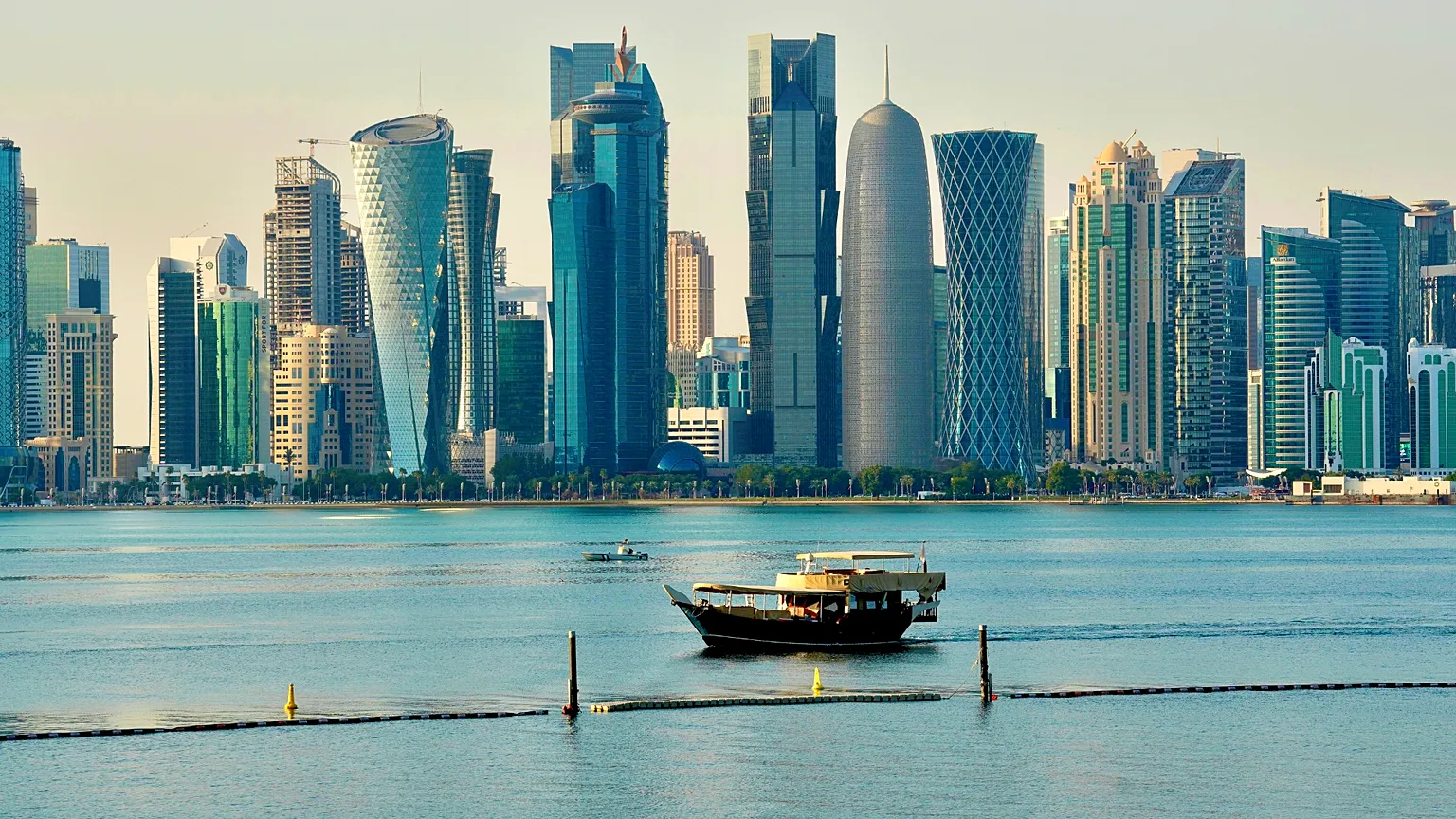
Qatar's budget deficit more than doubled to 21.2 billion riyals (€5 billion) in the second quarter of 2026, driven by disruptions to liquefied natural gas (LNG) production. The significant increase marks a notable fiscal shift for the Gulf state, a major global energy supplier. This substantial deficit occurred amidst fluctuating energy markets and operational challenges impacting Qatar's key export commodity. The rise in the deficit reflects the financial pressures confronting Doha as global energy dynamics continue to evolve, noting the economic vulnerability even of major energy producers to supply chain interruptions and geopolitical events. For a nation heavily reliant on hydrocarbon revenues, this fiscal performance signals a period of economic re-evaluation and strategic adjustment.
Deepening Financial Shortfall
The deepening financial shortfall for Qatar follows a significant deficit reported earlier in the year, indicating a persistent and escalating fiscal challenge. The deficit stood at 10.3 billion riyals (€2.44 billion) in the first quarter of 2026. This earlier figure already indicated fiscal challenges, which have now escalated considerably in the subsequent quarter. The progression from a first-quarter deficit to a more than doubled amount in the second quarter shows the growing financial pressures on the Gulf nation. This trend suggests a sustained period of budgetary strain, driven by the ongoing impact of LNG production disruptions. The cumulative effect of these deficits presents a significant challenge to Qatar's fiscal planning, necessitating a strong response to stabilize its financial outlook.
LNG Disruptions Impact Revenue
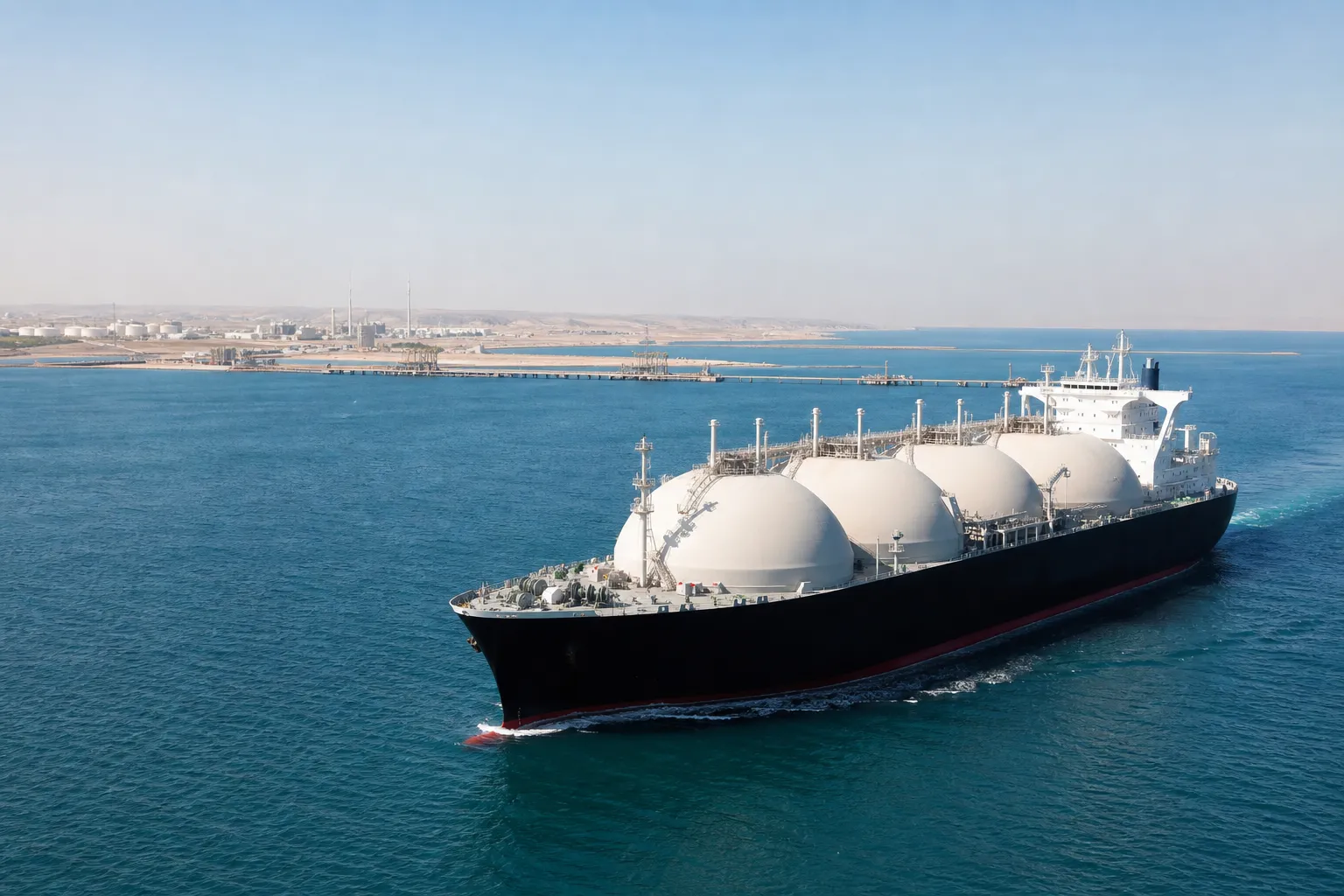
The ongoing conflict in Iran is postponing expected revenue for Qatar, contributing significantly to the current fiscal challenges. This geopolitical situation has contributed to the fiscal challenges faced by the Gulf state, impacting its ability to secure and realize anticipated income from its energy exports. European gas buyers are experiencing delivery cancellations from Qatar, with these disruptions now extending into early November. These cancellations show the tangible impact of the LNG disruptions on Qatar's ability to fulfill its supply commitments to key international markets, leading to a direct reduction in export earnings. The delayed revenue, coupled with the extended delivery issues, compounds the financial pressures on Qatar's budget, creating a complex economic environment for the nation. The uncertainty surrounding future energy deliveries and the duration of the geopolitical tensions further complicates Qatar's revenue projections.
Government Spending Adjustments
Qatar's financial performance in the first half of the year indicates a significant fiscal challenge, as the observed shortfall has exceeded the nation’s original full-year forecast. This development notes the unexpected severity of the budget deficit, primarily driven by disruptions in liquefied natural gas (LNG) production. The unprecedented nature of this shortfall, surpassing initial conservative estimates, shows the profound impact of the external factors on the national economy. In response to the growing deficit, Doha has announced adjustments to its government spending. These cuts are specifically targeting operating expenditures, aiming to streamline government operations and reduce non-essential outlays. However, Qatari officials have clarified that these measures will not impact salaries or capital projects, indicating a strategic effort to maintain essential services and long-term development initiatives while addressing the immediate financial pressures. This targeted approach seeks to mitigate the economic impact on citizens and preserve the momentum of the nation's strategic infrastructure development. The government's commitment to protecting salaries and capital projects suggests an intent to safeguard social stability and future economic growth despite the present fiscal headwinds.