From the archive
Qatar's LNG Exports Plummet Amidst U.S.-Iran War, Sparking Global Energy Concerns
Qatar's LNG exports have plummeted 96% six months into the US-Iran war, causing $24 billion in losses and impacting global energy supplies.
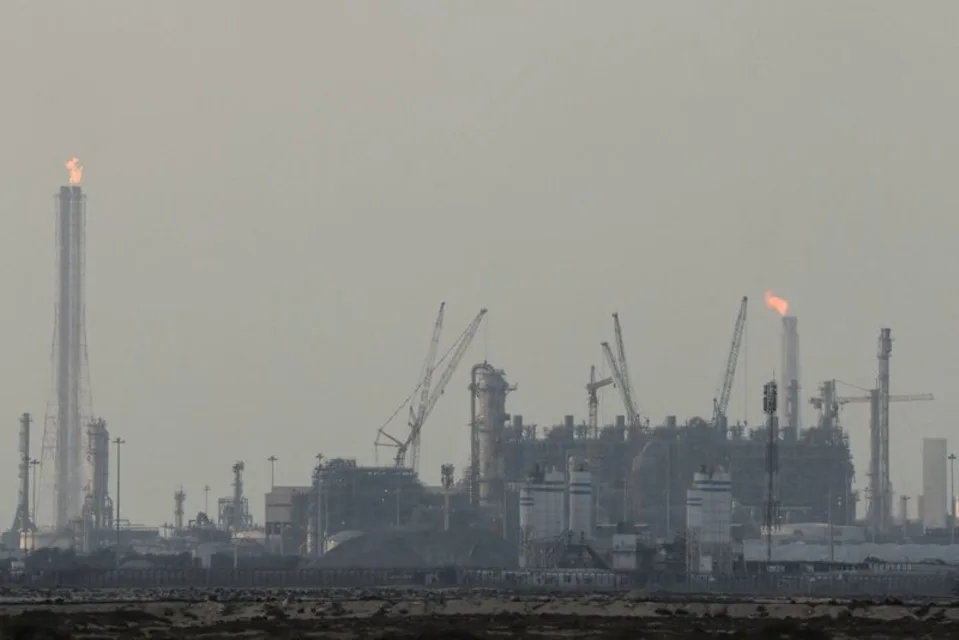
Qatar's liquefied natural gas exports have plummeted by 96% six months into the ongoing U.S.-Iran war, according to reports filed on Wednesday, August 26, 2026, at 1:03 am GMT-4. This drastic reduction in exports from Qatar, a major global energy supplier, has raised significant concerns within the global energy market about supply stability and energy security. The severe curtailment of Qatar's output is reshaping international energy flows and creating ripple effects across various economies dependent on LNG.
Economic Fallout for Qatar
The Gulf state of Qatar has incurred a significant financial loss of $24 billion in gas sales since the conflict began. This substantial figure represents approximately five months of income for the nation, based on its strong economic performance data from 2025. The decline in revenue directly correlates with a sharp drop in liquefied natural gas (LNG) shipments, noting the immediate and profound economic impact of the war on Qatar. Prior to the conflict, Qatar was a key player in the global energy market, supplying approximately one-fifth of the world's daily liquefied natural gas. This substantial contribution has now been severely curtailed, leading to widespread concerns about the stability of the global energy supply.
Since the onset of the conflict, Qatar has exported only 18 LNG cargoes, a drastic reduction from the 509 cargoes shipped during the equivalent six-month period in the previous year. This precipitous drop of 96% shows the severity of the operational challenges and market disruptions faced by the nation. The financial implications are considerable, with the $24 billion loss representing a critical blow to the national economy. The U.S. Dollar maintains an exchange rate of 1 USD to 3.64 Qatari Riyals (QAR), providing a clear metric for the scale of these economic losses in local currency terms.
Global Supply Chain Disruptions
The conflict has directly impacted maritime shipping, a critical component of the global energy supply chain. Two Qatari tankers have been reported to have been attacked, illustrating the direct security threats to energy transportation routes. These incidents further exacerbate the challenges faced by Qatar in maintaining its export capabilities. The reduction in Qatar's output, which previously accounted for a substantial portion of the world's daily LNG, has created a significant void in the international market.
The disruption has already manifested in Europe, where gas storage levels have fallen to a historic low for the current time of year. This alarming decline signals the immediate effects of reduced supply and shows the vulnerability of energy-dependent regions to geopolitical instability. The sustained reduction in LNG availability from a key supplier like Qatar places additional strain on existing energy infrastructure and supply agreements worldwide.
Regional and U.S. Export Shifts
Oil exports from several regional producers, including Saudi Arabia, the UAE, Iraq, and Kuwait, have also experienced disruptions due to the ongoing conflict. However, these impacts have been significantly less severe compared to the dramatic decline observed in Qatar's liquefied natural gas exports since the conflict began. While these nations have seen their oil exports hit, the scale of the reduction is nowhere near as profound as the 96% cut experienced by Qatar's LNG sector. The broader regional energy landscape has thus seen varied levels of impact across different fuel types and exporting nations, with LNG markets bearing the brunt of the instability.
Meanwhile, global energy markets have seen some mitigation of the supply crunch through increased shipments from the United States. Exports from the U.S. Have helped to offset a portion of the liquefied natural gas supply that has been lost due to the substantial reduction in Qatar's output. This shift notes a dynamic reallocation of global energy flows in response to the ongoing conflict, as other producers attempt to fill the significant gap left by Qatar's curtailed exports. The long-term implications of these shifts for global energy security and market dynamics remain a key concern for international observers.