From the archive
UAE Joins Saudi, Qatar in Urging Trump to Negotiate with Iran Amid Regional Fears
UAE, Saudi Arabia, and Qatar urge US President Trump to negotiate with Iran, fearing renewed conflict could destabilize regional economies and energy…
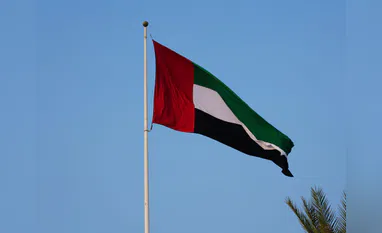
The United Arab Emirates has joined Saudi Arabia and Qatar in intensifying efforts to persuade US President Donald Trump to pursue negotiations with Iran, rather than military action, amid regional fears. This concerted push from key Gulf allies marks a significant moment in regional diplomacy. Discussions were prompted by concerns among Gulf states that any retaliation from Tehran, should hostilities resume, could plunge regional economies into chaos. These fears have been a driving force behind the diplomatic initiatives, as leaders in the region seek to avert further instability. In separate calls with Mr. Trump, leaders of the three US allies argued that military action would not achieve Washington’s long-standing objectives with Iran. They emphasized that a military confrontation would likely exacerbate, rather than resolve, the complex geopolitical challenges involving Tehran.
A day later, President Trump stated that Saudi Crown Prince Mohammed bin Salman, UAE President Sheikh Mohamed bin Zayed, and Qatari Emir Sheikh Tamim bin Hamad had persuaded him against striking Iran. This announcement signaled a potential shift in the US administration's approach to the escalating tensions. Saudi Foreign Minister Faisal bin Farhan later said the kingdom "highly appreciates" President Trump’s decision "to give diplomacy a chance to reach an acceptable agreement to end the war." The minister's statement showed the collective relief and support from these Gulf nations for a diplomatic path forward, noting their shared interest in de-escalation and stability.
Escalation and Diplomatic Truce
The period between late February and early April witnessed a significant escalation of hostilities, as Israel and the United States launched attacks on Iran, initiating a period of conflict that was subsequently followed by a ceasefire. This intense phase of military engagement raised alarm bells across the international community, prompting urgent calls for de-escalation. In response to these initial attacks, Iran and Tehran-backed militant groups in Iraq retaliated during this time, launching thousands of drones and missiles across the Gulf. These retaliatory actions were widespread and destructive, impacting critical infrastructure and civilian populations. These actions resulted in the deaths of scores of people and caused billions of dollars in damage to ports and energy infrastructure. The scale of the damage showed the severe economic and human cost of the conflict.
Following this period of intense engagement, a truce was agreed upon by Iran and the US on April 8. This agreement offered a glimmer of hope for a more peaceful resolution, temporarily halting direct military confrontations. Despite this agreement, both sides have indicated their preparedness to resume hostilities, showing minimal signs of compromise. This underlying tension and readiness for further conflict continue to cast a shadow over the region, making any diplomatic breakthrough particularly challenging. The rhetoric from both Washington and Tehran has often suggested a deep-seated distrust that complicates efforts to build lasting peace.
At the onset of the conflict, Tehran had effectively closed the Strait of Hormuz, a critical maritime choke point. This closure significantly disrupted oil and natural gas exports from several member states of the Gulf Cooperation Council (GCC). The Strait of Hormuz is one of the world's most important strategic waterways, with a substantial portion of global oil and gas passing through it daily. Consequently, energy prices surged due to the disruption of shipping through the Strait of Hormuz, causing ripple effects in global markets. The economic impact of this closure was felt worldwide, noting the interconnectedness of global energy supplies. The GCC comprises the United Arab Emirates, Saudi Arabia, Qatar, Kuwait, Bahrain, and Oman, all of whom are heavily reliant on the Strait for their energy exports. The collective vulnerability of these nations to disruptions in this vital waterway shows their strong interest in regional stability and unimpeded maritime passage.
In Washington, Republican leaders of the US House of Representatives cancelled a vote on Thursday. The vote concerned a resolution aimed at ending the Iran war, contingent on President Donald Trump obtaining Congress' authorization. The cancellation of this vote indicated the complex political dynamics within the United States regarding military action and diplomatic engagement with Iran. It also reflected the ongoing debate within US political circles about the appropriate balance between executive authority and congressional oversight in matters of war and peace. The resolution sought to assert Congress's constitutional role in authorizing military force, a contentious issue during periods of international tension.
Shifting Alliances and Regional Concerns
The United Arab Emirates' current stance reflects a shift for a nation that has historically adopted a more hawkish approach towards Tehran and has borne the brunt of Iranian attacks. This change in diplomatic posture from Abu Dhabi is particularly noteworthy given its past confrontations and significant investments in defense against Iranian threats. Despite this recent alignment on diplomacy, the UAE, Saudi Arabia, and Qatar hold differing views on the specific nature of a potential diplomatic agreement with Iran and the degree of hardline negotiation the United States should pursue. These nuances in their approaches highlight the complexities of forging a truly unified front, even when advocating for a common goal of de-escalation. The UAE's frustration with fellow Arab states became evident with its surprise decision in late April to leave OPEC, signaling a potential re-evaluation of its regional and international alliances and strategies. This move sent a clear message about its independent foreign policy considerations and its willingness to prioritize its own national interests.
On Thursday, May 21, 2026, all Gulf Cooperation Council (GCC) members, with the exception of Oman, sent a letter to a global shipping watchdog. This letter explicitly rejected Iran’s attempts to permanently control maritime traffic through the Strait of Hormuz. The unified message from these nations showed their collective concern over Iran's assertive actions in the vital waterway and their commitment to upholding international navigation rights. The threat to Gulf countries was further noted on Sunday following a drone attack on a UAE nuclear power plant. Abu Dhabi subsequently attributed this attack to Iran-backed militias operating in Iraq, raising serious concerns about the reach and capabilities of these groups and the potential for regional destabilization. This incident served as a stark reminder of the persistent security challenges faced by the Gulf states.
Israel views Iran as an existential threat, a perspective that heavily influences its regional policies and its interactions with both the United States and various Gulf nations. This deep-seated concern contributes significantly to the intricate web of alliances and rivalries in the Middle East. The ongoing conflict has already cost the United States tens of billions of dollars, a substantial financial burden that adds to the pressure for a diplomatic resolution and shows the economic consequences of prolonged military engagement. These costs include military operations, aid to allies, and the broader economic impact of regional instability.
Divergent Diplomatic Approaches
Saudi Arabia supports negotiations mediated by Pakistan and holds the view that curbing Iran’s nuclear and ballistic missile programs can only be achieved through diplomatic means. The kingdom's endorsement of Pakistan as a mediator notes its trust in Islamabad's ability to facilitate sensitive discussions between the parties. This diplomatic approach from Riyadh emphasizes the belief that sustained engagement, rather than solely punitive measures, is essential for long-term solutions. The kingdom, in alignment with the UAE, believes the United States should prioritize persuading Iran to reopen the Strait of Hormuz. This approach involves maintaining naval pressure on Iranian ports to compel concessions from Tehran, suggesting a strategy that combines diplomatic overtures with strategic leverage. The goal is to ensure the free flow of commerce while simultaneously pushing Iran towards compliance with international norms.
Qatar also continues to support the mediation efforts spearheaded by Pakistan, reinforcing the regional consensus on the importance of a diplomatic track. Doha's consistent backing for these initiatives reflects its own strategic interests in reducing regional tensions and fostering stability through dialogue. The UAE foreign ministry has reiterated that any potential agreement must address Iran’s “full range of threats.” These threats, according to the ministry, encompass Iran’s nuclear program, ballistic missile capabilities, drone activities, and its “affiliated proxies and terrorist groups.” This full demand from the UAE shows its desire for a broad and strong agreement that tackles all facets of what it perceives as Iranian aggression and destabilizing actions in the region. The varied perspectives among the Gulf states, particularly regarding the scope and enforcement of any future agreement, show the complexities involved in forging a unified diplomatic strategy among the Gulf states, even as they collectively advocate for negotiation over military confrontation. Their common goal is to de-escalate tensions and secure regional stability, but their proposed tactics for achieving this diverge on specific points of pressure and negotiation, reflecting their individual national security concerns and strategic priorities.
Signs of Progress and Future Outlook
US Secretary of State Marco Rubio stated on Friday that negotiations had shown "slight progress." This cautious optimism from a senior US official suggests that diplomatic channels, despite significant hurdles, are yielding some movement, however incremental. Iranian media also reported signs of movement in the ongoing discussions between the parties, indicating a mutual acknowledgment of some headway, which could be key for building momentum. Further diplomatic engagement was anticipated with Pakistan army chief Asim Munir scheduled to visit Iran on Friday, May 22, 2026. This high-level visit from a key mediating nation notes the continued international efforts to facilitate dialogue and find a peaceful resolution to the protracted conflict. The involvement of Pakistan, a country with established ties to both Iran and Gulf states, is seen as vital for bridging communication gaps and fostering an environment conducive to negotiation.