From the archive
US Strikes Iran Amid Strait of Hormuz Closure and Regional Missile Attacks
The US launched new strikes on Iran following Tehran's announcement to close the Strait of Hormuz, escalating regional tensions and leading to missile…
The United States launched new strikes on Iran early Sunday, coinciding with an Iranian announcement that the Strait of Hormuz would be closed until further notice. Iran stated no vessels would be allowed to pass through the strait until the end of American interventions in the region. Simultaneously, air defences in the UAE engaged missile and drone threats, while Kuwait's military intercepted incoming fire. This latest escalation follows a week of heightened tensions and military actions in the critical Middle East region.
Escalation in Hormuz
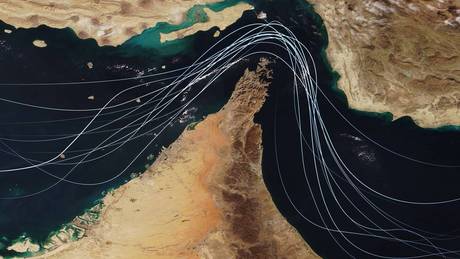
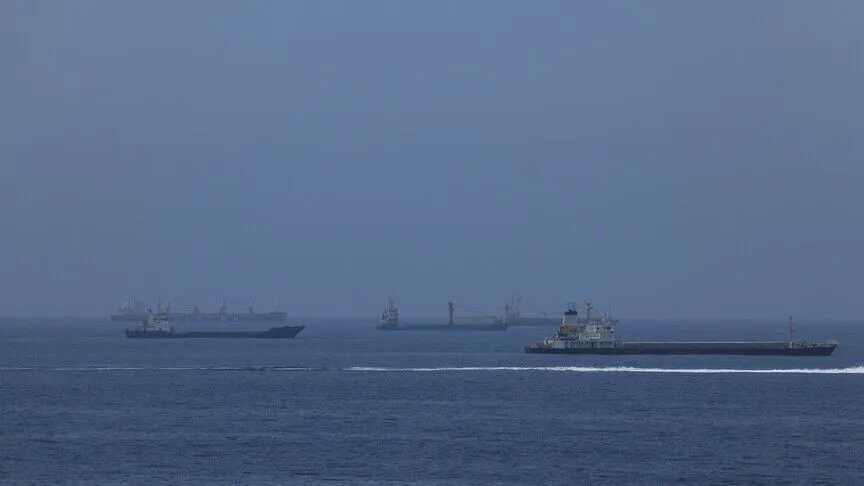
Iran's Revolutionary Guards announced the closure of the Strait of Hormuz after Revolutionary Guards forces fired upon a vessel it claimed was traversing an "unauthorised route." A vessel was struck by a warning shot and subsequently brought to a stop during the incident, marking a direct confrontation in the vital shipping lane. The US Central Command stated that the incident involved Iran 'blatantly attacking' a Cyprus-flagged container ship transiting the strategic waterway, further intensifying the already volatile situation. This act by Iranian forces has drawn widespread international condemnation and raised concerns about the safety of commercial shipping in the area.
The Revolutionary Guards declared their intention to keep the Strait closed following the confrontation. "Following this incident... The Strait of Hormuz will be closed until further notice and until the end of American interventions in this region and no vessels will be allowed to pass through," the Revolutionary Guards stated, clearly linking the closure to US military presence. This action by Iran occurred concurrently with the US launching its third round of strikes on Iran this week, indicating a rapidly escalating cycle of aggression and retaliation between the two nations. The decision to close the strait, a key chokepoint for global oil supplies, has immediate and broad implications for international trade and energy markets.
One civilian crew member is reported missing from the attacked Cyprus-flagged container ship, adding a human element to the growing crisis. The vessel also sustained an onboard fire and significant damage to its engineroom, according to initial reports, noting the severity of the Revolutionary Guards' actions. The Strait of Hormuz is a critical maritime chokepoint, essential for global oil shipments, with approximately one-fifth of the world's oil supply passing through its narrow waters daily. The alleged attack on the Cyprus-flagged container ship and the subsequent Iranian announcement of closure mark a significant escalation in regional tensions, threatening to disrupt global commerce and potentially trigger broader conflict. The US strikes against Iran precede this development, contributing to an already volatile security environment in the Middle East. The status of the missing crew member and the extent of the damage to the container ship remain under investigation by international maritime authorities, who are closely monitoring the situation. The strategic importance of the Strait of Hormuz cannot be overstated, making any disruption to its passage a matter of global concern.
Regional Fallout
Iran announced the indefinite closure of the Strait of Hormuz, a critical maritime passage for global oil shipments. This declaration followed a series of regional incidents, including reports of explosions within Iran itself, adding another layer of complexity to the unfolding crisis. Iran's state-run media reported multiple explosions, specifically citing incidents at Bushehr and Asalouyeh, without immediately detailing the cause or extent of the damage. These reports of internal explosions suggest a potential broadening of the conflict beyond just maritime confrontations.
Simultaneously, Bahrain activated its air raid sirens, indicating potential aerial threats in the region and showing the widespread fear of spillover from the conflict. Further reports from within Iran noted explosions at Bandar Abbas, Bandar-e Dayyer, and the Sirik area, suggesting a broader pattern of incidents across several Iranian locations. These multiple reports of explosions across various strategic sites within Iran paint a picture of a nation under significant duress, potentially from external attacks or internal instability exacerbated by the current climate. Amid these developments, Iran asserted its intention to control all ship passages through the Strait of Hormuz, claiming sovereign rights over the international waterway. The country also plans to implement and charge fees for vessels traversing the strategic waterway, a move that could significantly impact international shipping and trade by imposing new costs and bureaucratic hurdles on commercial vessels. This attempt to levy fees on international shipping through a critical maritime chokepoint is likely to be met with strong opposition from global powers and maritime organizations, further exacerbating the diplomatic standoff. The combined effect of these incidents has created a highly unstable environment across the Gulf region.
Background to Conflict
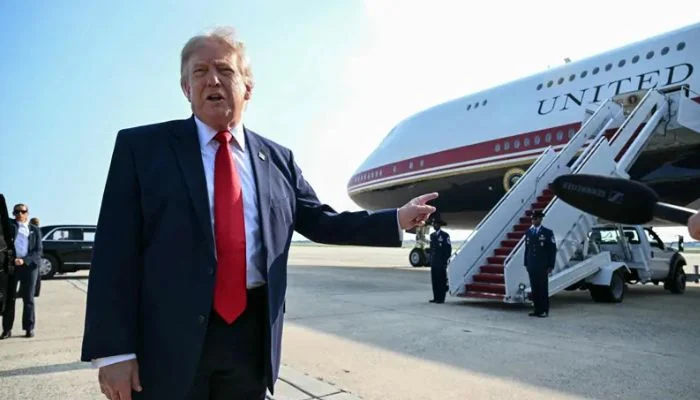
Iran has repeatedly attacked its Gulf neighbors since the war broke out on February 28, contributing to a prolonged period of regional instability. These repeated aggressions have created a climate of fear and distrust among nations in the Middle East. In an effort to de-escalate the conflict and find a diplomatic resolution, Donald Trump and Masoud Pezeshkian signed a 14-point deal on June 17, aiming to bring an end to hostilities. This agreement represented a significant diplomatic undertaking, designed to halt the ongoing military actions and pave the way for a more stable future.
The June 17 accord committed both countries to pursuing a final agreement within 60 days of its signing, setting a clear timeline for reaching a full peace settlement. This initial agreement provided for an immediate cessation of military operations between the two nations, a key step towards reducing tensions and preventing further loss of life. However, the prospect of a lasting resolution was short-lived. On July 8, Donald Trump declared that the deal was no longer active, signaling a dramatic collapse of the diplomatic efforts. Trump stated simply that "the deal was 'over'," indicating a complete breakdown of negotiations and a return to the pre-agreement state of conflict. This abrupt termination of the agreement dashed hopes for peace and set the stage for the renewed escalation now being witnessed in the region. The failure of this diplomatic initiative notes the deep-seated complexities and intractable nature of the conflict between Iran and its adversaries.
Reactions and Stakes
Iran responded to the US strikes with missile attacks targeting Bahrain, Kuwait, Qatar, and the United Arab Emirates, demonstrating its capacity for retaliation across the Gulf region. These retaliatory strikes show the dangerous cycle of escalation that has gripped the Middle East. The US Central Command reported that American strikes began at 7:15 pm (2315 GMT) Saturday in Washington, providing a precise timeline for the initiation of the US military response. Blasts were subsequently heard in Qatar, prompting a missile alert in the country, indicating the immediate and tangible impact of the conflict on civilian populations and regional security. US Central Command claimed its forces hit approximately 140 targets across Iran in this latest round of strikes, a significant number that points to a broad and concerted military operation. These strikes specifically targeted Iranian missile and drone sites, naval capabilities, ammunition storage facilities, communication networks, and coastal surveillance locations, aiming to degrade Iran's military infrastructure and its ability to project power.
US Central Command stated, "Iran was provided yet another opportunity to demonstrate adherence to the Memorandum of Understanding after being held accountable for earlier attacks on commercial vessels but has again failed. In response, the United States is imposing a heavy cost by continuing to degrade Iran's ability to attack civilian mariners and commercial ships freely transiting the strait." This statement clearly articulates the US rationale for its military actions, framing them as a punitive measure against Iran's perceived non-compliance and continued aggression in maritime territories. The strategic importance of these targets notes the US objective of neutralizing Iran's capacity to threaten international shipping and regional stability. The ongoing military exchanges and the closure of the Strait of Hormuz represent a critical juncture in the Middle East, with potential global ramifications for energy markets, international trade, and geopolitical stability. The international community is closely watching these developments, urging de-escalation while simultaneously preparing for potential broader consequences. The stakes are exceptionally high, with the risk of a wider regional conflict looming large.