From the archive
Vance Discusses Iran Talks with Qatar's PM Amid Market Focus
U.S. Vice President JD Vance discussed Iran talks with Qatar's prime minister, as markets focus on potential easing of Middle East tensions through Qatari…
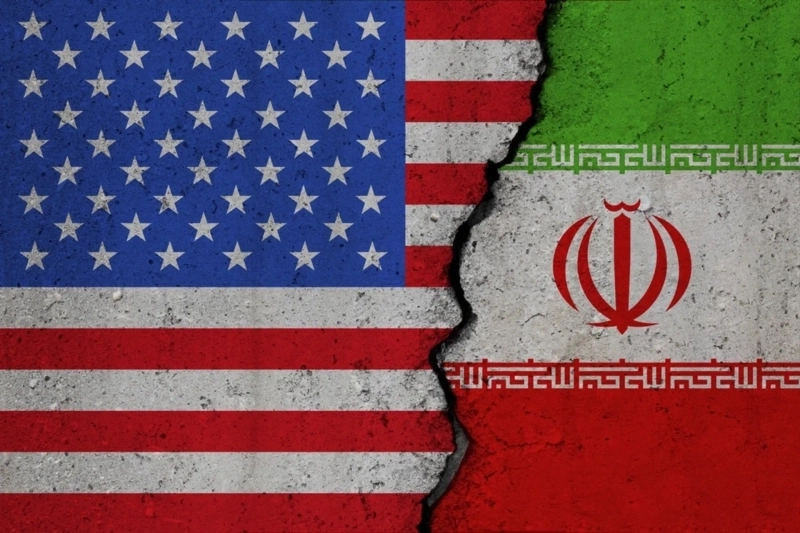
U.S. Vice President JD Vance discussed Iran-related talks with Qatar’s prime minister, according to a report, in a sign of ongoing diplomacy in the Middle East. The U.S. Vice President was reported to have discussed these critical Iran talks with Qatar’s prime minister. This interaction notes the persistent efforts to address complex geopolitical issues in the region. Walter Bloomberg reported on May 8 that Mr. Vance met with the Qatari prime minister to discuss negotiations involving Iran. The discussions show the continued engagement at high levels to navigate the intricacies of international relations concerning Iran. Markets are focusing intently on the possibility of progress in these negotiations through Qatari mediation. This market focus also includes whether Middle East tensions will ease as a result of these discussions, reflecting a keen interest in any developments that could lead to greater regional stability.
Qatar's Diplomatic Role
Qatar has recently played a mediating role between the United States and Iran, actively working to keep diplomatic channels open between the two nations. This involvement shows Qatar's ongoing efforts in regional diplomacy and its commitment to fostering dialogue. The nation's diplomatic endeavors are seen as key in maintaining communication between Washington and Tehran, especially given the sensitive nature of their relationship. Qatar has consistently positioned itself as a neutral facilitator, a role that has been instrumental in numerous complex international situations. This sustained effort to keep diplomatic channels open is a key component of Qatar's foreign policy and its contribution to regional stability. The United States and Iran are continuing discussions that encompass Tehran’s nuclear program, the imposition of sanctions, and issues related to the Strait of Hormuz. These talks represent a key area where Qatari diplomatic engagement has been significant, providing a neutral ground for sensitive negotiations.
Key Variables for Progress
Additional talks and efforts to narrow differences between the two sides are seen as key variables in the ongoing diplomatic efforts. Further discussions and endeavors aimed at bridging the gap between the U.S. And Iran remain key variables for progress in the negotiations. The success of these diplomatic initiatives hinges on the willingness of both parties to engage constructively and find common ground on contentious issues. The complexity of the issues at hand, including Iran's nuclear ambitions and the impact of international sanctions, necessitates sustained and patient negotiation. Consequently, the ability to schedule and conduct these additional talks effectively will be a critical determinant of any forward movement. Efforts to narrow differences will require creative diplomatic solutions and a commitment from both the U.S. And Iran to de-escalate tensions.
Market Expectations
Markets are closely observing whether Qatari mediation efforts can advance negotiations and help de-escalate tensions across the Middle East. This focus includes the potential for progress in discussions involving Iran, particularly as Qatar continues its role in fostering diplomatic channels between the United States and Tehran. The ongoing negotiations encompass critical issues such as Iran's nuclear program, the status of sanctions, and matters related to the Strait of Hormuz. Observers are monitoring whether these talks, facilitated by Qatar, will lead to tangible steps towards easing regional instability. The market's attention remains fixed on any developments that could signal a breakthrough or a reduction in geopolitical friction. Further discussions and efforts to bridge the differences between the U.S. And Iran are considered key variables for progress in the current diplomatic landscape. The global economy often reacts to shifts in Middle East stability, making these diplomatic efforts a significant point of interest for investors and analysts alike. The prospect of easing tensions could have broad implications for global energy markets and international trade routes, further amplifying the market's scrutiny of Qatari mediation.