From the archive
12th Doha Islamic Finance Conference Explores AI Agent Systems
The 12th Doha Islamic Finance Conference explores the impact of AI agent systems on Islamic finance, bringing together stakeholders to discuss future…
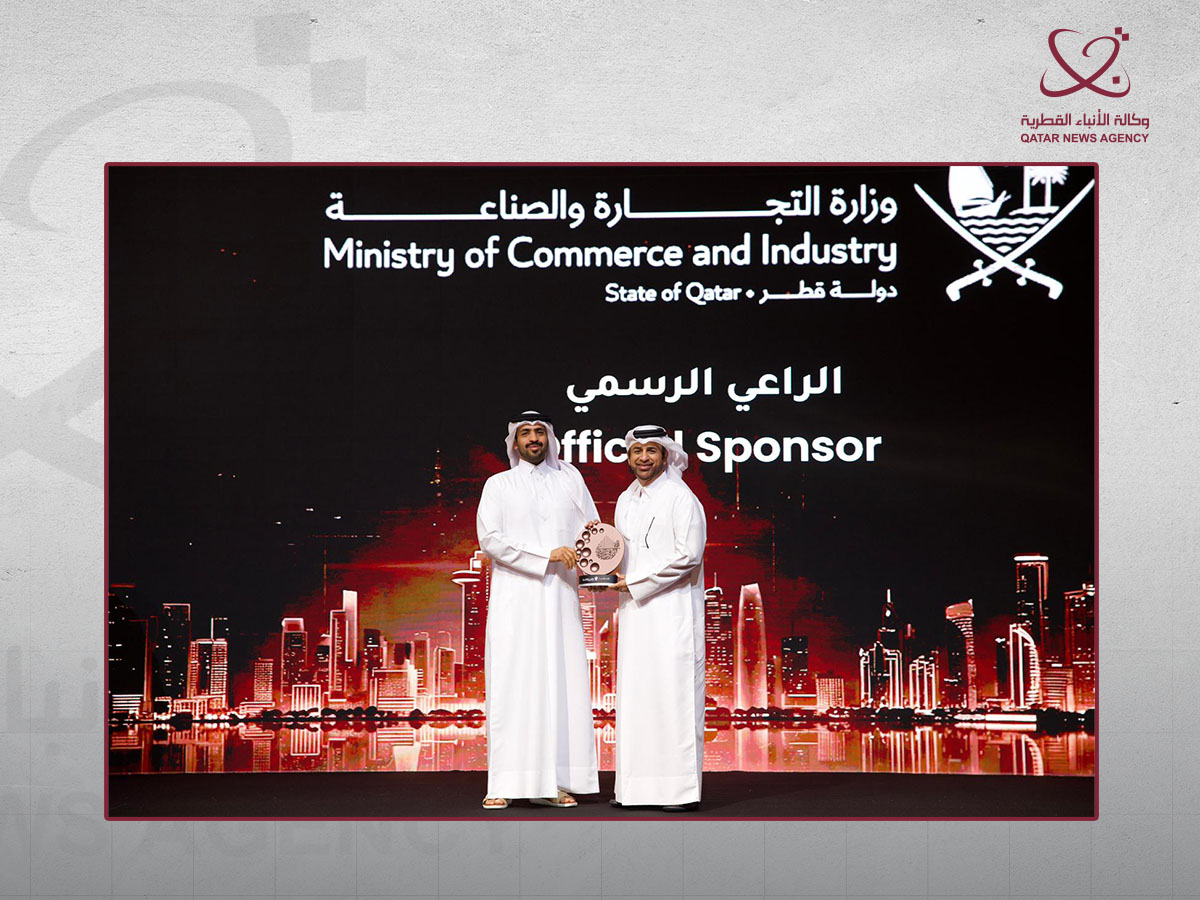
The 12th Doha Islamic Finance Conference commenced on June 16, 2026, at 6:15 PM, under the patronage of HE Sheikh Mohammed bin Abdulrahman bin Jassim Al Thani, Prime Minister and Minister of Foreign Affairs. The conference, themed 'Islamic Finance in the Era of Agent Systems', was officially opened by HE Sheikh Faisal bin Thani bin Faisal Al Thani, Minister of Commerce and Industry. This year's gathering aims to explore the trajectories of Islamic finance amidst the development of AI agent systems. Participation includes representatives from various government bodies, international organizations, and both financial and academic institutions. The event serves as a key platform for dialogue and collaboration, bringing together key stakeholders to discuss the evolving landscape of Islamic finance in a technologically advanced era.
AI's Transformative Role in Finance
The conference addresses the application of AI agents in various facets of Islamic finance, including the development of endowments, enhancement of the sharing economy, and the analysis of agent systems for Zakat management and sustainable development. These discussions aim to leverage artificial intelligence to optimize traditional Islamic financial practices and introduce innovative solutions. HE Sheikh Abdullah bin Fahad bin Jassim Al Thani, Chairman of Dukhan Bank, emphasized the significant qualitative shift occurring in smart technologies and the new opportunities this presents for financial services. He showed the profound impact that advancements in artificial intelligence are having across the financial sector, particularly within Islamic finance, which seeks to integrate ethical considerations with technological progress.
Dukhan Bank itself was recognized for its advancements in this area, having received the award for Best Digital Transformation Initiative in the Middle East and North Africa region in 2025. This accolade notes the bank's proactive approach to adopting advanced technologies to enhance its services and operational efficiency. Sheikh Abdullah's remarks showed the potential for AI to drive innovation within Islamic financial institutions, not only in terms of operational improvements but also in expanding the reach and impact of Islamic finance principles. The discussions at the conference aim to explore how these technological advancements can be integrated ethically and effectively within the principles of Islamic Sharia. This integration is seen as key for expanding the reach and efficiency of Islamic financial products and services globally, particularly in areas like social welfare and sustainable investment, aligning technological progress with foundational values.
Navigating Sharia and Development
Eng. Hassan bin Abdullah Al-Marzouqi, Director General of the General Administration of Endowments, stated that endowments continue to serve as a foundational element of Islamic civilization and contemporary societies. He noted their enduring role in fostering social welfare and economic development. His comments showed the enduring relevance of these institutions in modern contexts, emphasizing how they can adapt and thrive with the judicious application of new technologies. The conference specifically explores how smart agent systems can contribute to the more efficient management and growth of endowments, ensuring their continued benefit to communities.
Dr. Kutub Sano, Secretary-General of the International Islamic Fiqh Academy, presented a perspective on the integration of intelligent agent systems within Islamic finance. Dr. Sano emphasized that the primary challenge lies not in the acceptance or rejection of such systems, given their widespread nature in modern life. Instead, he noted the necessity of guiding these technologies to align with the objectives of Islamic Sharia, ensuring that their deployment adheres to ethical and moral principles. "The challenge today is not in accepting or rejecting intelligent agent systems, but in how to direct them and benefit from their advantages in line with the objectives of Islamic Sharia," Dr. Sano stated. He further articulated a vision for the future relationship between Islamic society and agent systems. "The future of the relationship between the Islamic society and agent systems will not be a conflict between humans and machines, but rather a model of integration and cooperation, where machines provide services, but ethical and legal responsibility remains with humans, while these technologies contribute to enhancing efficiency, accuracy, and speed of completion," he added. This perspective suggests a cooperative framework where AI tools serve to improve operations while human oversight maintains ethical and legal accountability, ensuring technology remains a servant to humanity's higher objectives.
Expert Perspectives and Future Outlook
Dr. Khalid bin Ibrahim Al-Sulaiti, Chairman of the Supreme Organizing Committee, stated that the conference occurs at a time of significant global shifts. "The conference comes this year at a time when the world and the region are witnessing rapid transformations where economic, technological, and geopolitical dimensions intersect in an unprecedented way," Dr. Al-Sulaiti said. He observed that recent events have demonstrated the potential for geographically limited developments to impact global markets, trade, and energy movement, showing the interconnectedness of modern economies. In this context, Dr. Al-Sulaiti noted agent systems as critical tools for responding to changes due to their ability to analyze large data sets and make rapid decisions, thereby providing valuable insights and predictive capabilities. He added, "The responsibility of Islamic finance does not stop at the limits of adapting to these transformations, but extends to contributing to shaping a financial model that combines technical efficiency with value-based discipline." Dr. Al-Sulaiti said the expansion of agent systems into finance and business, undertaking tasks previously exclusive to humans, makes the discussion of Islamic finance's role in this future landscape a strategic necessity beyond mere technological interest. This strategic imperative involves ensuring that technological advancements are harnessed in a manner consistent with the ethical framework of Islamic finance.
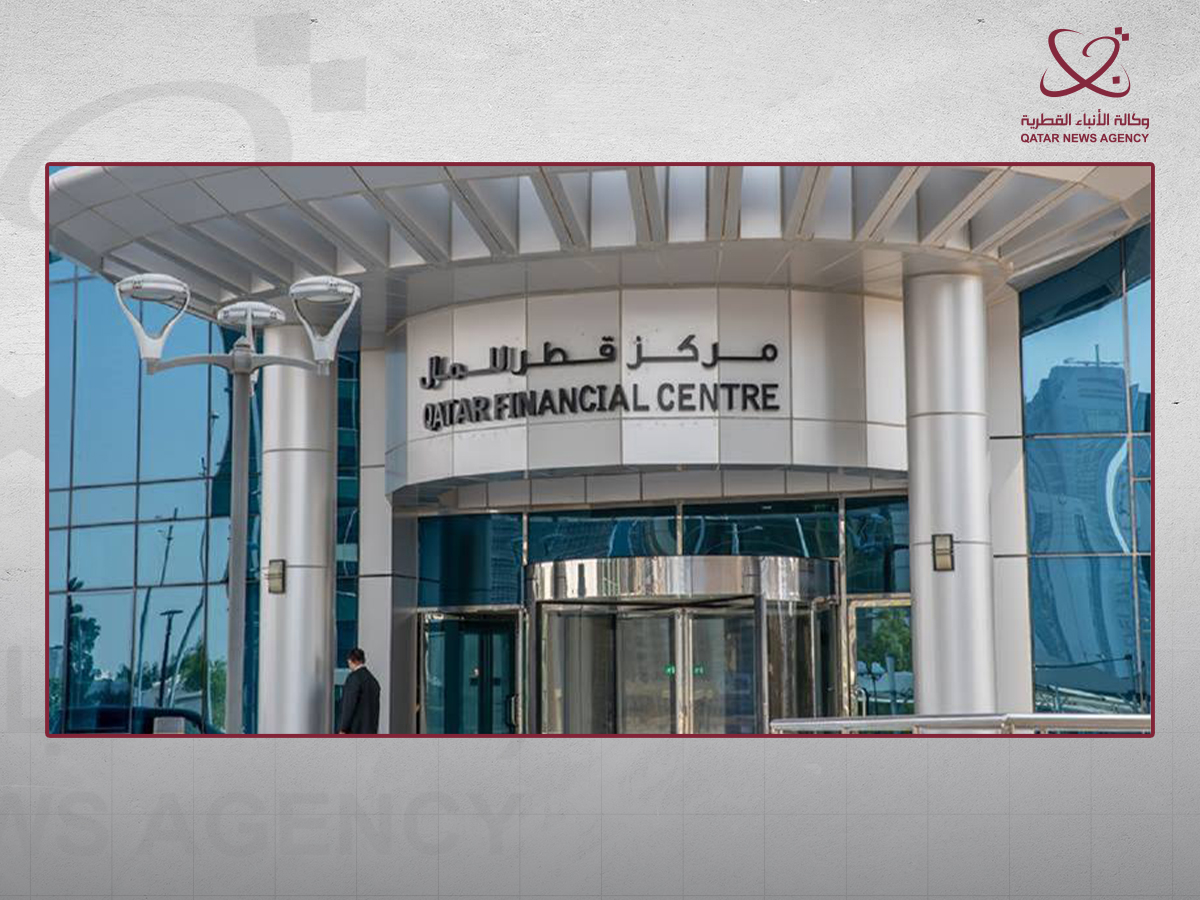
Mr. Hamed Ali Al-Saadi, Chief Financial and Tax Officer at the Qatar Financial Centre, commented on the potential of AI-based solutions in Islamic finance. "The conference's slogan this year reflects the importance of the transformations the financial sector is undergoing in light of artificial intelligence, indicating that AI-based solutions offer great possibilities, including understanding customer needs," Mr. Al-Saadi stated. He emphasized that these solutions can revolutionize how financial institutions interact with clients and tailor their offerings. He cautioned that while these technologies present opportunities, their optimal utilization requires addressing challenges. "Despite the great opportunities offered by these technologies, optimal utilization requires dealing with a set of challenges, and in this context, issues of governance, transparency, and accountability emerge, alongside the limits of the independence of these systems," Mr. Al-Saadi explained. These challenges necessitate careful consideration to ensure that AI systems operate within clear regulatory and ethical boundaries.
The conference program is structured into four distinct tracks to address various aspects of AI integration. The first track focuses on Islamic financial institutions and smart systems applications, exploring how AI can enhance operational efficiency and service delivery within these entities. A second track is dedicated to endowment development under smart agent systems, examining innovative approaches to managing and growing charitable assets. The program also includes a track examining virtual influencers and their role in Islamic finance, considering the ethical implications and potential benefits of these digital personalities in promoting financial products and services. Finally, a fourth track explores Zakat and development within an agent systems environment, investigating how AI can optimize the collection and distribution of Zakat for greater social impact and sustainable development. These diverse tracks show the full approach taken by the conference to explore the multifaceted relationship between Islamic finance and artificial intelligence.