From the archive
Fincantieri to Operate Qatar Naval Training Center Under New Contract
Fincantieri secures a three-year contract to operate the Qatar Emiri Naval Forces’ Training and Simulation Centre, continuing its partnership in naval…
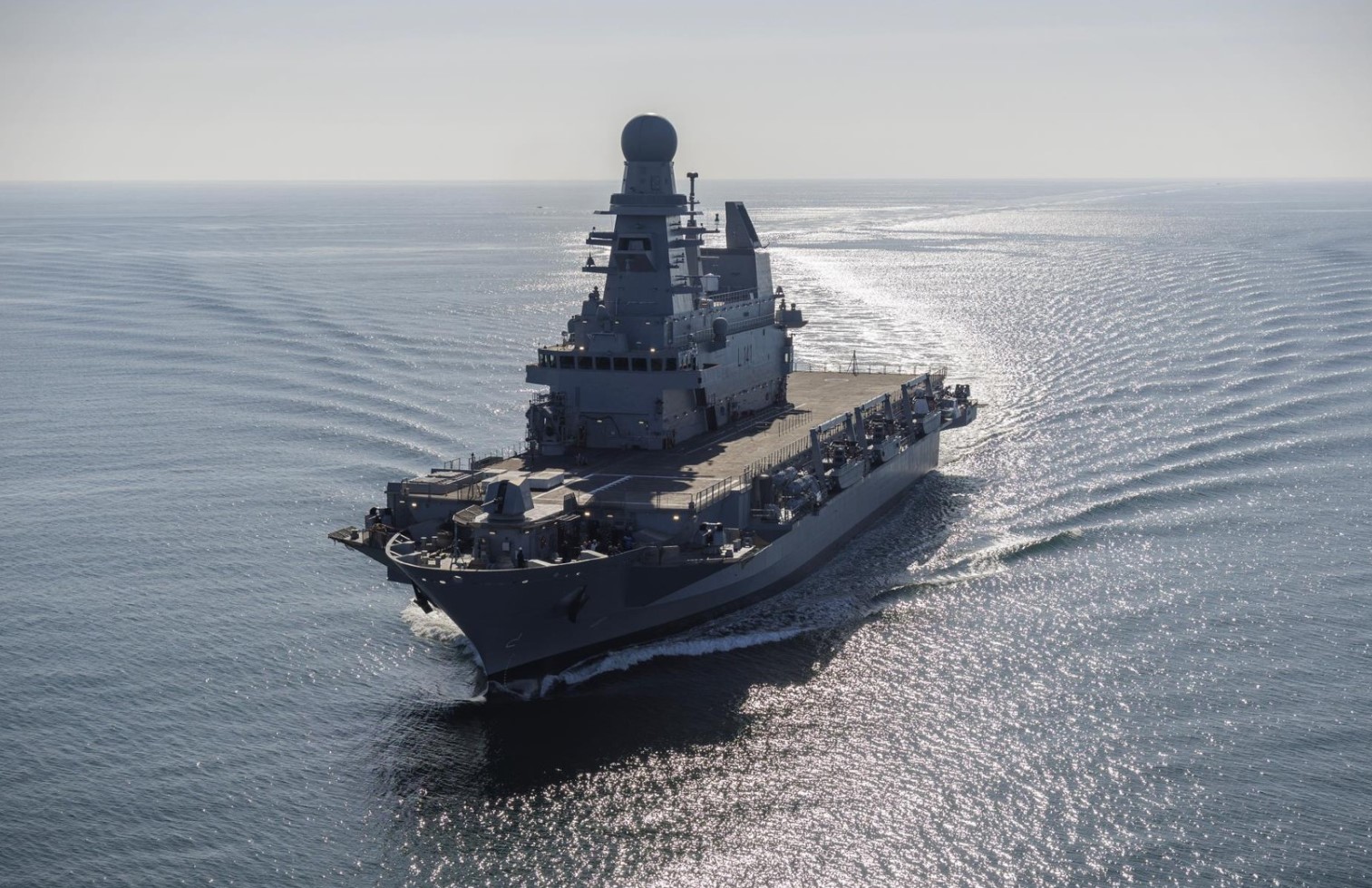
Fincantieri has secured a three-year contract to operate the Qatar Emiri Naval Forces’ Training and Simulation Centre. This significant agreement shows the continued partnership between the Italian shipbuilding company and Qatar's naval defense sector. Under the terms of the contract, Fincantieri will oversee the full operational management of the advanced facility, which it originally delivered to Qatar in 2021. The three-year duration of the agreement provides a stable framework for the ongoing development and enhancement of naval training capabilities within the Qatar Emiri Naval Forces. This latest collaboration marks a key step in strengthening the strategic relationship established through previous projects, reinforcing Fincantieri's role as a key partner in Qatar's defense infrastructure.
Center's Role and Capabilities
The Qatar Emiri Naval Forces’ Training and Simulation Centre is specifically designed to support the rigorous training of naval officers, non-commissioned officers, and sailors across various specializations. Fincantieri's operational management responsibilities will comprehensively include overseeing all aspects of simulation-based training conducted at the facility. The centre is equipped with advanced simulation systems that are capable of replicating a wide array of complex tactical and operational scenarios. These sophisticated systems allow for highly realistic and immersive training experiences, preparing personnel for diverse challenges they may encounter in real-world naval operations. According to information released by Fincantieri, this capability enables full preparation across various naval roles and situations, from navigation and propulsion to combat management and crisis response. The centre is therefore a key component in the ongoing development and modernization of Qatar's naval defense capabilities, ensuring its forces are well-prepared and proficient.
Fincantieri's Operational Plan
To fulfill its contractual obligations, Fincantieri plans to deploy a dedicated team primarily composed of former military personnel to manage the training center. These highly experienced individuals bring a wealth of practical expertise, possessing in-depth knowledge of naval operations, platform management, operational procedures, and maritime doctrine, according to the company. Their background ensures that the training provided is grounded in real-world naval experience and best practices. In addition to providing expert operational oversight, the Italian shipbuilder will also implement a full knowledge-transfer program. This initiative is strategically designed to enable Qatari personnel to progressively assume responsibility for managing the facility, fostering self-sufficiency and long-term sustainability for the centre's operations within the Qatar Emiri Naval Forces. This phased approach ensures a smooth transition and continuous high standards of training.
Regional Defense Simulation Landscape
The broader Gulf region is witnessing significant investment and development in advanced defense simulation capabilities. For instance, the United Arab Emirates Navy operates a sophisticated networked naval simulation training system, which was developed by CAE. This system is part of a broader trend of regional investment in advanced defense simulation technologies. In a related development, EDGE, a prominent technology group based in the UAE, plans to establish the X Range, a dedicated defense testing and training center situated on a Gulf Cooperation Council island. This facility will further enhance the region's capabilities for advanced military exercises and technological validation. Separately, in April, Qatar announced its own initiative to construct a $50-million facility. This forthcoming center will be specifically designed to simulate high-risk rescue and security missions, further expanding the region's simulation infrastructure beyond traditional naval applications to include critical emergency response and security operations. These regional developments collectively highlight a strategic focus on leveraging simulation technology to enhance military readiness and operational effectiveness across the Gulf.