From the archive
Fitch Affirms Qatar's 'AA' Rating, Cites Reduced LNG Risks but Maintains Negative Outlook
Fitch affirms Qatar's 'AA' rating, removing it from Rating Watch Negative due to reduced LNG risks, but maintains a negative outlook.
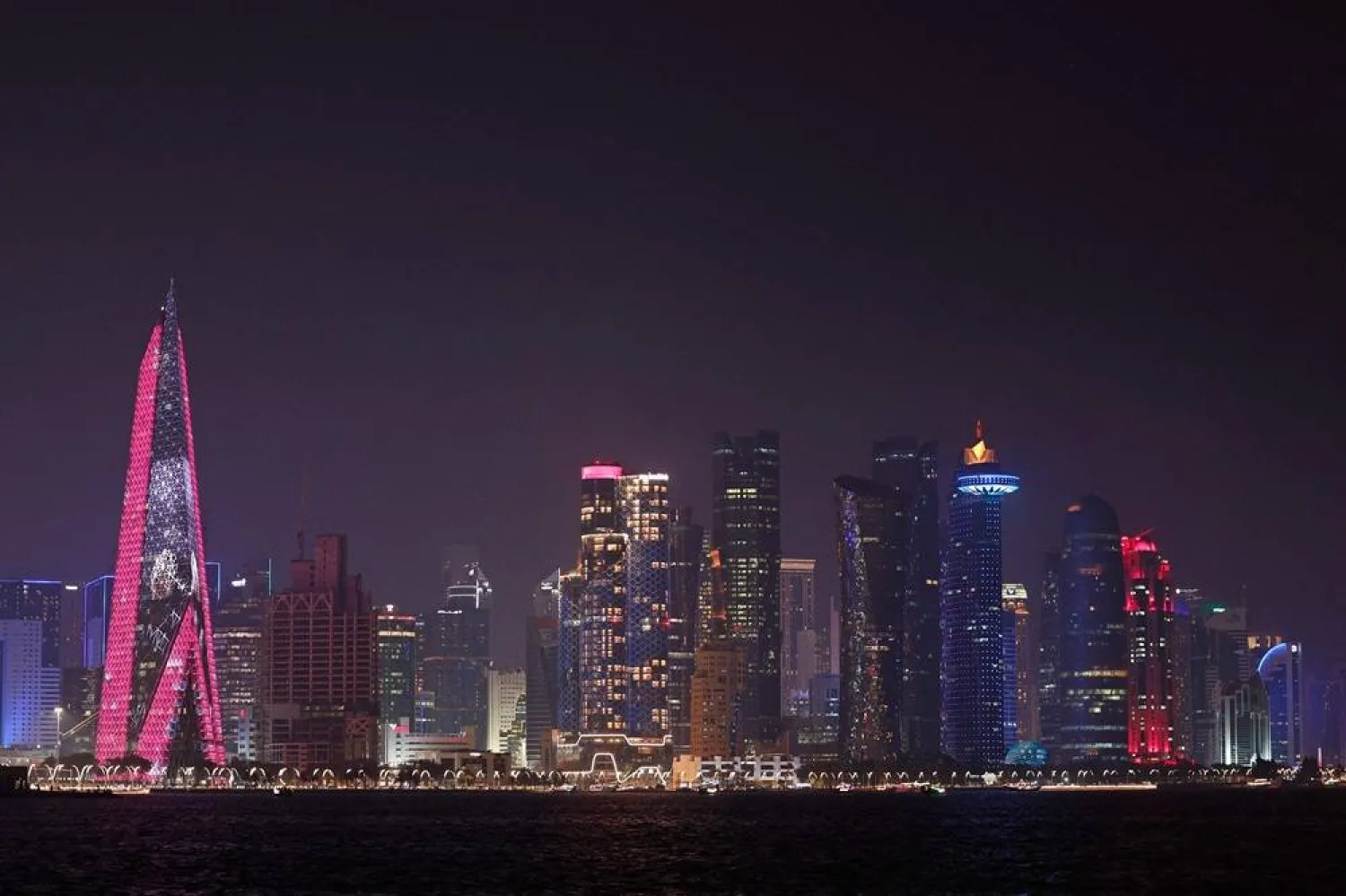
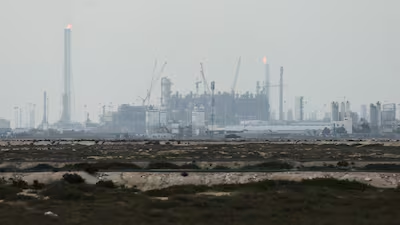
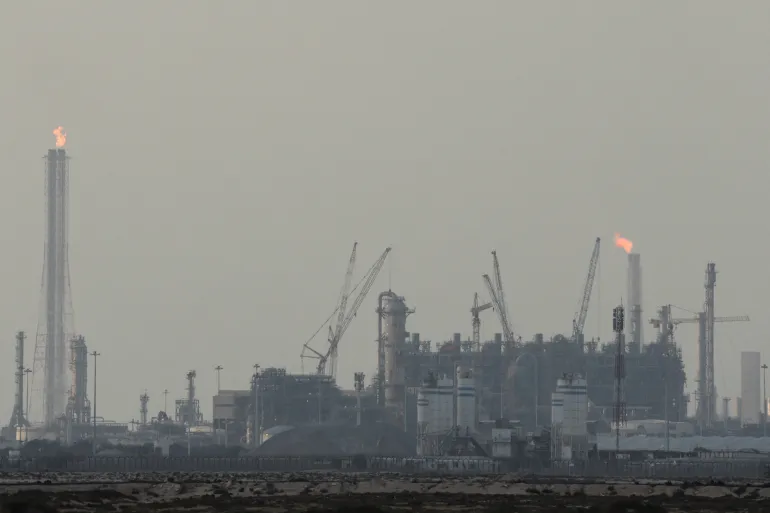
Global ratings agency Fitch removed Qatar from its "Rating Watch Negative" status, reflecting a reduced immediate risk profile for the Gulf nation. This decision comes as Fitch noted a decrease in risks to Qatar's liquefied natural gas (LNG) facilities since March. Despite the improved rating watch, Fitch maintained a negative outlook on Qatar's 'AA' rating. The agency attributed the continued negative outlook to lingering risks associated with potential disruptions to LNG exports. These risks primarily stem from the strategic importance of the Strait of Hormuz, through which Qatar's LNG exports must pass.
Rating Watch Removed
Fitch maintained Qatar's sovereign rating at "AA," a decision that follows earlier warnings from the agency regarding a potential downgrade. Months prior to this affirmation, Fitch had expressed concerns about the security and economic fallout stemming from the Iran war, which intensified the risk assessment for Qatar. Other major ratings agencies, S&P and Moody's, had also affirmed Qatar's rating earlier in the current year. The rating maintenance by Fitch on Friday, September 5, 2026, showed the agency's assessment of the country's financial stability.
Murat Kurum outlined plans to link the Action Agenda to measurable goals through 2035, a development that could influence future economic stability. Concurrently, the manager of Norway's $2.3 trillion sovereign wealth fund proposed cutting its exposure to US Treasuries. This potential reduction in bond holdings is not expected to be implemented until several months into 2027 at the earliest. The fund's proposals were submitted in response to inquiries from Norway's finance ministry regarding the wealth fund's investment strategy for bonds, and these proposals will form part of recommendations to the ministry in January. The proposed cuts to US Treasuries would be significant, amounting to nearly $80 billion from the fund's current holdings of approximately $215 billion as of the end of June.
Regarding the government's financial strategy, Ida Wolden Bache, governor of Norges Bank, and Norges Bank Investment Management (Norges Bank IM) CEO Nicolai Tangen stated, "A government share of 50% will be sufficient to cover the liquidity needs, including in periods of turbulence in financial markets." This statement shows confidence in the government's ability to manage financial volatility. They further elaborated in their letter, "We recommend that the government subindex of the bond index be reduced from 70% to 50%." This recommendation from Norges Bank Investment Management noted a strategic shift in the fund's approach to government bond allocations.
Lingering Geopolitical Concerns
Fitch maintained Qatar's "AA" sovereign rating on Friday, September 5, 2026, while keeping its outlook at "negative." The country is recognized as one of the world's largest liquefied natural gas exporters. Ratings agencies S&P and Moody's have previously stated that Qatar's substantial fiscal profile helps to cushion the impact of the US-Israeli war on Iran. The negative outlook from Fitch is specifically due to lingering risks from the disruption of LNG exports through the Strait of Hormuz, a critical choke point for global energy trade.
Measurable goals for Qatar's energy sector include raising electricity's share of global energy consumption to 35%. Additionally, measurable goals also include reducing waste-related resource consumption by 25% and increasing the use of secondary and recycled materials in industry to 15%. Meanwhile, Norges Bank Investment Management, which manages Norway's sovereign wealth fund, recommended reducing its weighting to government bonds within its benchmark bond index. This proposed reduction would see the weighting decrease from 70% to 50%. The fund's proposals were submitted in response to inquiries from Norway's finance ministry regarding the wealth fund's investment strategy for bonds. US Treasuries, which constitute the biggest holding in the fund's portfolio, would receive the largest cut. These changes would entail cutting nearly $80 billion from the fund's current holdings of approximately $215 billion of US Treasuries as of the end of June. Norway's sovereign wealth fund, a significant global investor, owns on average 1.5% of all listed companies globally. Additionally, Norges Bank Investment Management suggested considering an increase in investments in unlisted assets.
Türkiye's COP31 Climate Agenda
Türkiye plans to make the implementation of climate commitments and financing a central focus of its presidency of the UN COP31 climate conference. The nation's presidency will pursue three main pillars, which Environment, Urbanization and Climate Change Minister and COP31 President Murat Kurum identified as "dialogue, consensus and action." Kurum stressed that success in Antalya would be measured by the ability to turn decisions into viable projects, attract financing, and deliver results. He also noted that climate change is closely linked to energy, industry, cities, trade, water, and development. Türkiye aims for its COP31 presidency to be a key moment for global climate action.
The Paris Agreement established an important path for climate action, according to Kurum. However, he stated that the challenge in the second decade of the Paris Agreement is the speed of carrying out decisions and commitments. Kurum argued that lasting results require listening to different parties, finding common ground, and translating consensus into practical steps. Türkiye aims for COP31 to become a turning point by "turning words into projects, projects into investments, and investments into results that affect people’s lives." Türkiye wants COP31 to mark the beginning of a phase where climate action shifts from negotiation to implementation. Kurum's vision emphasizes a practical, results-oriented approach to addressing the climate crisis.
Ankara has begun broad consultations with the UN system, governments, financial institutions, cities, and the private sector to shape its agenda. These consultations helped shape an "Action Agenda" focused on areas including clean energy, electricity, cities, industry, youth, and food. Kurum placed climate finance at the top of Türkiye’s priorities for the conference. The full approach reflects Türkiye's commitment to fostering a collaborative environment for climate solutions.
Global Climate Finance and Türkiye's Role
The challenge in climate finance involves ensuring funds reach countries and projects requiring assistance at the appropriate time, according to Environment, Urbanization and Climate Change Minister and COP31 President Murat Kurum. Delays have previously occurred in meeting the pledge to provide developing countries with $100 billion annually. COP29 in Baku concluded with an agreement to elevate the financing target for developing countries to at least $300 billion per year by 2035. Additionally, COP29 aimed to increase climate finance flows from both public and private sources to $1.3 trillion annually. Kurum's emphasis on timely and effective financing notes a critical hurdle in global climate efforts.
Kurum described a global paradox where capital actively seeks investment opportunities, yet climate investment needs remain enormous. Many developing countries possess potential and viable projects but require technical and technological support. Türkiye’s COP31 presidency is working on mechanisms designed to transform climate needs into investable projects, particularly within the sectors of cities, water, and infrastructure. Türkiye also aims to secure strong private-sector participation in Antalya, especially from companies offering climate technologies and solutions. Discussions must continue to prioritize the needs of least-developed countries and small island developing states. This strategic focus aims to bridge the gap between available capital and urgent climate initiatives.
Türkiye plans to bring its domestic experience to COP31, including its 2053 net-zero target and existing policies on the circular economy, waste management, energy efficiency, and renewable energy. The nation has completed and delivered approximately 455,000 housing units in earthquake-hit areas over two years. These housing units emphasize both disaster resilience and energy efficiency in their design and construction. This practical experience provides a tangible example of Türkiye's commitment to sustainable development and climate-resilient infrastructure.
Saudi Industry Forum
Jeddah will host the second edition of the Saudi Industry Forum 2026 from September 14 to 16 at the Jeddah Superdome. The Federation of Saudi Chambers of Commerce, represented by the National Committee of Industry, organizes the forum in cooperation with the Jeddah Chamber. The Ministry of Industry and Mineral Resources holds a strategic partnership with the event. The forum will feature panel discussions and workshops focused on industrial sector developments, the future of national industries, supply chains, and logistics services. Discussions will also cover the development of an integrated industrial base in strategic sectors, including automotive, food, and pharmaceutical industries. The forum aims to enhance integration between the industrial sector, universities, and research and development centers. Strengthening local content and increasing the contribution of national enterprises are also on the agenda. The event is set to include the signing of several agreements and Memoranda of Understanding among government and private entities, as well as educational and research institutions. These agreements are intended to strengthen partnerships, stimulate investment, and enhance national industry competitiveness, thereby supporting the objectives of Saudi Vision 2030. The forum's full agenda reflects Saudi Arabia's commitment to diversifying its economy and fostering industrial growth in line with its national development strategy.