From the archive
Iran President Hails 'Islamabad Agreement' as Regional Peace Opportunity, Thanks Qatar
Iran's President Pezeshkian told Qatar's Emir the "Islamabad agreement" is an opportunity for regional peace, thanking Doha for its role in ending the…
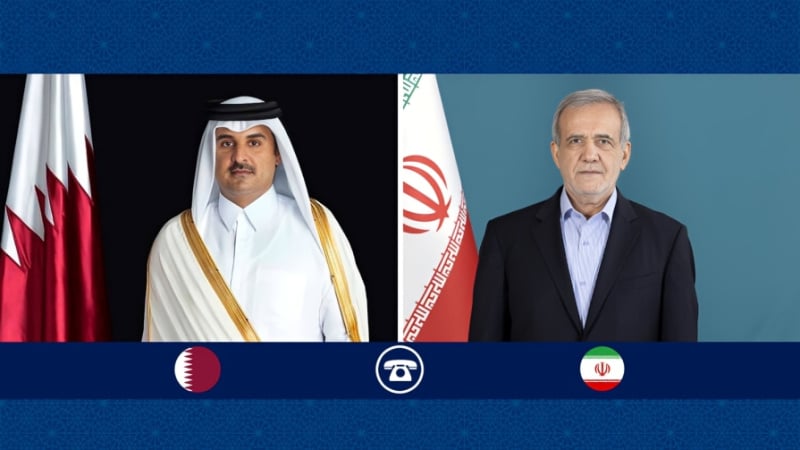
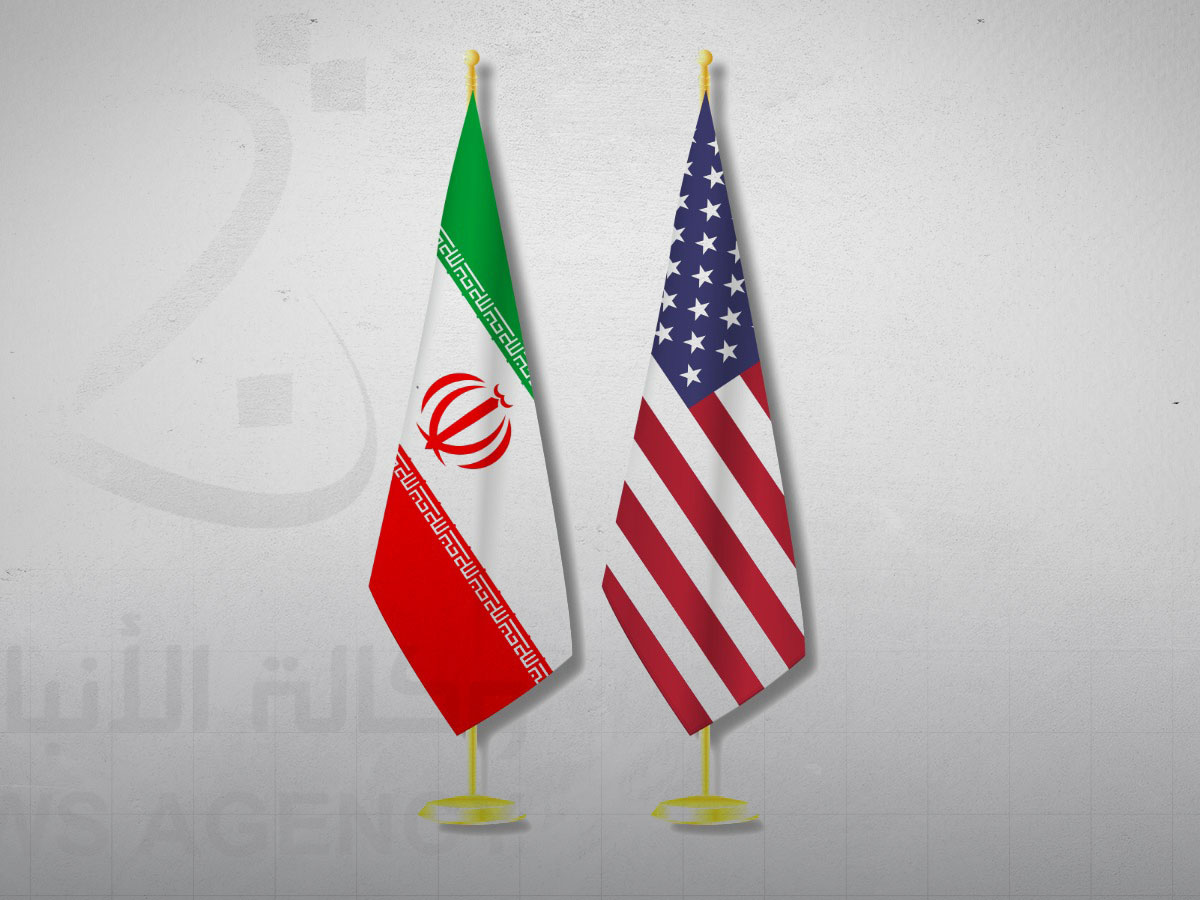
Masoud Pezeshkian, President of the Islamic Republic of Iran, spoke by phone on Thursday with Qatar's Emir, Tamim bin Hamad Al Thani, to discuss regional developments. During the call, President Pezeshkian specifically thanked Doha for its constructive and key role in reducing tensions and facilitating the intricate diplomatic efforts that ultimately led to an agreement ending the war waged by the United States and Israel against Iran. This expression of gratitude showed the significance of Qatar's mediating role in fostering an environment conducive to peace.
President Pezeshkian emphasized the importance of cooperation and convergence among regional countries to overcome future challenges. He noted that such collaborative efforts are essential for fostering a stable and prosperous environment across the Middle East. For his part, Qatar’s Emir, Tamim bin Hamad Al Thani, expressed profound satisfaction over reaching the agreement to end the war against Iran. He further stressed the enduring importance of diplomacy and dialogue as key tools for not only reducing tensions but also for strengthening stability and promoting understanding across the entire region. The Emir reiterated Qatar's commitment to these principles as foundational for regional peace.
Iran's Diplomatic Push
President Pezeshkian stated that the Islamic Republic of Iran has consistently emphasized the development of brotherly relations with Islamic countries. This commitment, he noted, is a cornerstone of Iran's foreign policy. He affirmed Iran's unwavering dedication to strengthening political, economic, and cultural ties among Muslim nations, viewing these connections as vital for collective progress. Pezeshkian further added that cooperation and mutual support among Islamic countries can pave the way for stability, security, and sustainable progress throughout the region, creating a strong framework for shared prosperity.
Iran’s foreign minister, Seyed Abbas Araghchi, emphasized the significant responsibility of the United States to play an effective and proactive role in ending the war and halting conflicts on all fronts, including in Lebanon. This call was made with specific reference to the provisions outlined in the Islamabad memorandum of understanding, showing the document's broader implications for regional security. Araghchi also noted the pressing need for sustained dialogue with the Persian Gulf states in order to enhance interactions, build trust, and address existing ambiguities that could hinder regional cooperation. Referring to the Islamic Republic of Iran’s steadfast commitment to a good-neighborly policy, Araghchi expressed hope that the agreement would lead to the full restoration of peace and stability in the region. He reiterated the critical importance of ongoing dialogue with the Persian Gulf countries to strengthen cooperation and resolve outstanding issues through diplomatic channels. Araghchi firmly stated that such interactions are indispensable for fostering a secure and cooperative regional environment.
International Support and Reactions
Russian President Vladimir Putin welcomed the Iran-US memorandum aimed at ending the war, stating, "This memorandum can serve as a solid foundation for future agreements." His remarks indicated a recognition of the agreement's potential to de-escalate wider regional tensions. France’s foreign minister, Jean-Noël Barrot, held a phone conversation with Iran’s Foreign Minister Seyed Abbas Araghchi, during which he announced Paris’s full and unequivocal support for the diplomatic process and the memorandum of understanding reached between Iran and the United States. Barrot stressed the profound importance of using this opportunity to strengthen peace, enhance stability, and ensure lasting security in the region, acknowledging the agreement as a significant step forward.
Araghchi, in turn, pointed to the substantial opportunities created by the Islamabad memorandum for expanding Iran-France relations, particularly in the vital economic and trade sectors. He noted that the diplomatic breakthrough could unlock new avenues for bilateral cooperation. He also stressed the critical need for firm and full support from the international community and international institutions, including the United Nations Security Council, for implementing the agreement and supporting the peaceful processes resulting from it. This call for strong international backing notes the perceived significance of the agreement for broader regional stability and its potential to set a precedent for conflict resolution.
Qatar's Mediating Role
The Qatari government has consistently pursued active and dedicated efforts to strengthen relations with Iran, working tirelessly to alleviate regional tensions and bridge the differing positions of various parties involved. These ongoing diplomatic initiatives show Qatar's unwavering commitment to fostering stability and promoting peaceful coexistence in the region through dialogue and mediation. The Qatari government has seriously continued its efforts to expand relations with Iran, help reduce tensions, and bring closer the positions of the involved sides, demonstrating a persistent and constructive approach to regional diplomacy. In a related development, Iran’s Foreign Minister Seyed Abbas Araghchi held a phone conversation with Kuwait’s Foreign Minister Jarah Jaber Al-Ahmad Al-Sabah. During the call, Seyed Abbas Araghchi informed his Kuwaiti counterpart about the contents and latest developments concerning the Islamabad memorandum, providing full insights into the diplomatic progress achieved and its potential implications. This communication forms an integral part of broader efforts to ensure that all regional stakeholders are fully apprised of key agreements and their potential impact on collective security and cooperation.