From the archive
Iran Strikes US Bases in Gulf and Levant in Retaliation, Regional Tensions Mount
Iran retaliates against US strikes with missile and drone attacks targeting US bases in UAE, Qatar, and Jordan, escalating regional tensions.
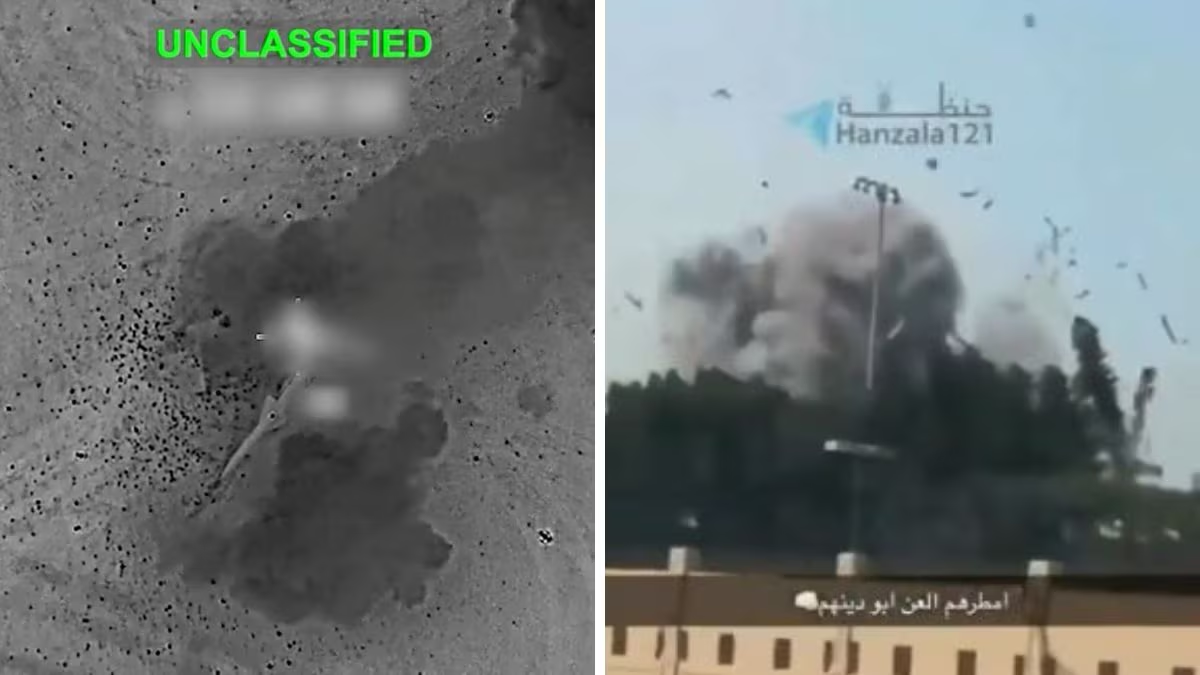
Loud explosions were reported in Kuwait and Jordan on [DATE/TIME, if provided in broader article context, otherwise omit] as Iran launched retaliatory strikes, escalating tensions across the Middle East. The United Arab Emirates' Ministry of Defence stated its air defence systems were actively engaging Iranian missile and drone attacks, confirming the interception of various projectiles over its territory. This defensive action by the UAE noted the breadth of the Iranian offensive. The Islamic Revolutionary Guard Corps (IRGC) claimed responsibility for targeting a US airbase located in Qatar during the attacks, further asserting its reach. UAE air defense systems successfully intercepted the incoming Iranian missiles and drones, preventing potential damage within its borders. These incidents mark a significant uptick in regional hostilities, with Iran directly targeting US-allied nations and military installations.
Missile Barrage Hits US Facilities Across Gulf and Levant
Iran's Islamic Revolutionary Guard Corps (IRGC) claimed responsibility for striking a US airbase in Jordan, specifically identifying the target as the US Prince Hassan Air Base. This claim showed the direct nature of Iran's retaliatory actions following recent US military engagements. Explosions were also reported in Qatar, where its military confirmed intercepting incoming Iranian fire, indicating a widespread and coordinated attack. The IRGC's aerospace forces specifically targeted the US Prince Hassan Air Base in Jordan, according to their statements, providing details on the alleged impact. Ballistic missiles, as claimed by the IRGC, destroyed the base's command and control center and MQ-9 drone hangars at Prince Hassan Air Base, suggesting significant operational disruption. The precision of these alleged strikes, if confirmed, would represent a substantial escalation in Iran's military capabilities and intent.
Residents in Doha, the capital of Qatar, reported hearing explosions on Saturday, coinciding with the reported attacks across the region. This auditory evidence corroborated the broader reports of Iranian missile and drone activity. Qatar's military said it intercepted incoming Iranian fire, although specific targets were not immediately detailed by Qatari authorities, maintaining a degree of operational security. The IRGC further stated that it targeted the US Al Udeid Air Base in Qatar with ballistic missiles, naming another key US military installation as a direct target. Strikes on Al Udeid Air Base specifically targeted the facility’s command center and fighter aircraft maintenance center, according to IRGC claims, indicating an attempt to degrade critical operational and logistical capabilities. The series of attacks, spanning multiple nations and involving various types of projectiles, show a broader pattern of engagement across the Gulf and Levant regions, signaling a dangerous new phase in regional dynamics. These targeted strikes represent a clear message from Tehran regarding its willingness to engage directly with US assets and interests in response to perceived aggressions. The claims of successful interceptions by both UAE and Qatari forces highlight the strong air defense capabilities deployed by US allies in the region, which played a key role in mitigating the impact of the Iranian barrage.
Maritime Attacks Escalate in Strategic Waterways
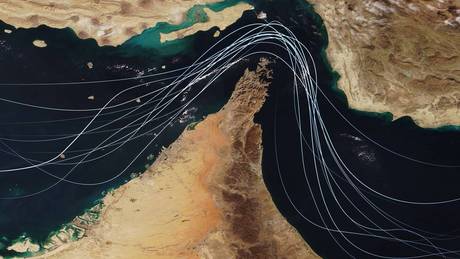
Beyond land-based targets, Iran also extended its retaliatory actions to maritime operations, impacting critical shipping lanes. Iran targeted Gulf countries, including Oman and the UAE, in retaliation for US attacks on over 140 targets inside the Islamic Republic, demonstrating a multi-front response. The Islamic Revolutionary Guard Corps (IRGC) continues to intercept vessels in the Strait of Hormuz as a form of retaliation for US attacks on Iranian military positions, signaling a sustained campaign to disrupt international shipping. This ongoing strategy in the Strait of Hormuz, a vital chokepoint for global oil supplies, raises concerns about the freedom of navigation and the potential for broader economic repercussions.
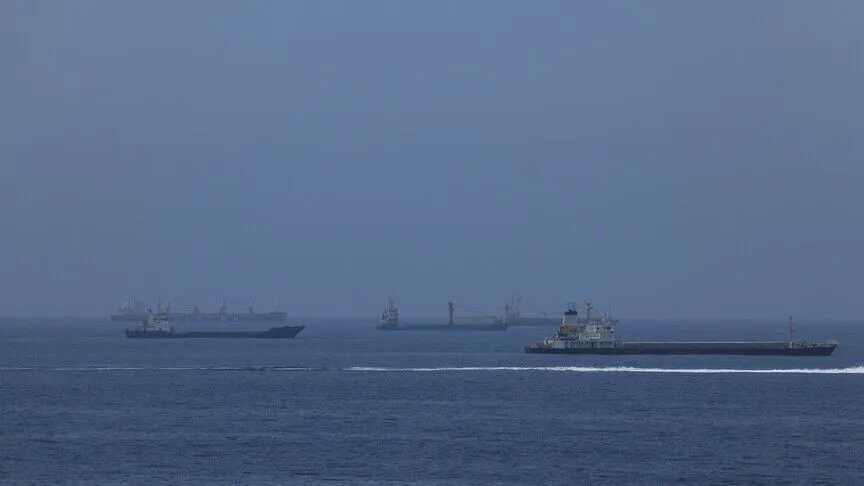
The IRGC allegedly attacked the M/V GFS Galaxy, a Cyprus-flagged container ship, while it was transiting the Strait of Hormuz, marking a direct assault on commercial shipping. The strike set the vessel ablaze and forced its crew to abandon it, creating a dangerous situation for international maritime traffic. The crew of the M/V GFS Galaxy was later found aboard a lifeboat, noting the immediate peril faced by seafarers in the region. The IRGC claimed responsibility for striking the vessel, asserting that it had ignored orders to change course, presenting its actions as a response to non-compliance. This incident shows the heightened risks for commercial vessels operating in the Strait of Hormuz, as Iran employs maritime interdiction as a tool of retaliation. Such actions have significant implications for global trade and energy security. The IRGC's continued presence and aggressive posture in these critical waters suggest a long-term strategy of asserting control and influence, further destabilizing an already volatile region. The targeting of a commercial vessel, regardless of the claims of ignored orders, represents a dangerous precedent that could deter shipping and increase insurance costs for maritime operators.
Following these incidents, the number of merchant vessels waiting west of the Strait of Hormuz dropped below 700, indicating a tangible impact on shipping patterns and potentially signaling a reluctance of vessels to enter the high-risk area. This reduction in vessel traffic reflects the growing apprehension among shipping companies regarding the safety of transit through the Strait, a critical artery for global commerce.
Regional Fallout and US Response to Iranian Aggression
The escalating Iranian actions have prompted swift responses and heightened alerts across the Gulf. The US Central Command stated its forces initiated a third round of strikes against Iran this week, indicating a sustained and strong counter-response to Tehran's aggression. This series of US strikes demonstrates Washington's commitment to protecting its interests and allies in the region. Across the Gulf, Iran’s state-run IRNA news agency reported loud explosions heard in Kuwait, confirming the widespread nature of the Iranian offensive and its impact on multiple regional players. Meanwhile, missile alerts were sounded in Bahrain, prompting an official response from the government and causing concern among its populace.
Bahrain’s Interior Ministry issued an alert urging its citizens and residents to remain calm and proceed to the nearest safe place, providing immediate guidance in response to the perceived threat. This advisory followed the activation of missile alert systems across the country, indicating a direct and imminent threat assessment by Bahraini authorities. The activation of these systems showed the gravity of the situation and the necessity for public safety measures. In a related development, Qatar’s government dispatched a security alert to mobile phones across the emirate, though the specifics of the alert were not immediately detailed, suggesting a broader, precautionary measure across its population. These regional responses occurred amidst a broader series of Iranian strikes targeting US installations in the Gulf and Levant, illustrating the widespread impact and the collective efforts of regional nations to manage the unfolding crisis. The activation of missile alerts and public advisories across multiple Gulf states reflects the high state of readiness and the serious nature of the threat posed by Iran's retaliatory actions. The US's continued military operations in response further indicate a deepening cycle of action and counter-action in the volatile Middle East.