From the archive
Iran Strikes US Targets in Jordan, Qatar in Retaliation for American Raids
Iran's IRGC claims it struck US military aircraft and radar in Jordan and Qatar with missiles and drones in retaliation for overnight American airstrikes.
Iran’s Islamic Revolutionary Guard Corps (IRGC) announced on Friday, July 17, 2026, that it had targeted U.S. Military aircraft stationed in Jordan with ballistic missiles and drones. The IRGC stated these actions were in retaliation for overnight U.S. Strikes against Iran. The U.S. Military’s Central Command confirmed it had concluded its latest airstrikes at dawn on Friday, hitting dozens of targets. These American attacks marked the sixth consecutive night of operations. A new wave of U.S. Attacks on Iran has plunged Iranians back into deep uncertainty and anxiety, with the IRGC’s actions representing a direct and forceful response to the escalating American military presence and operations in the region.
Iranian Retaliation Detailed
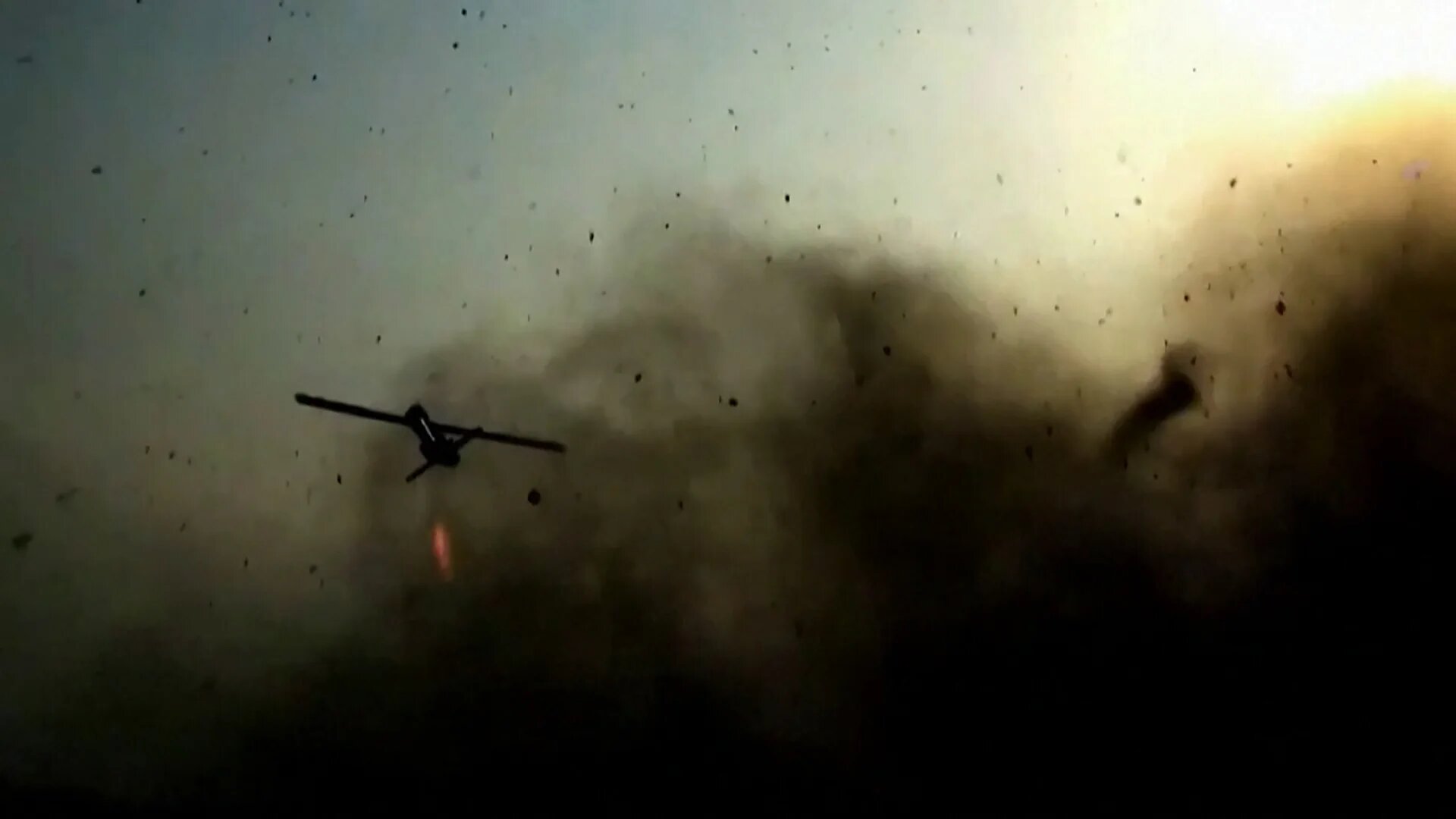
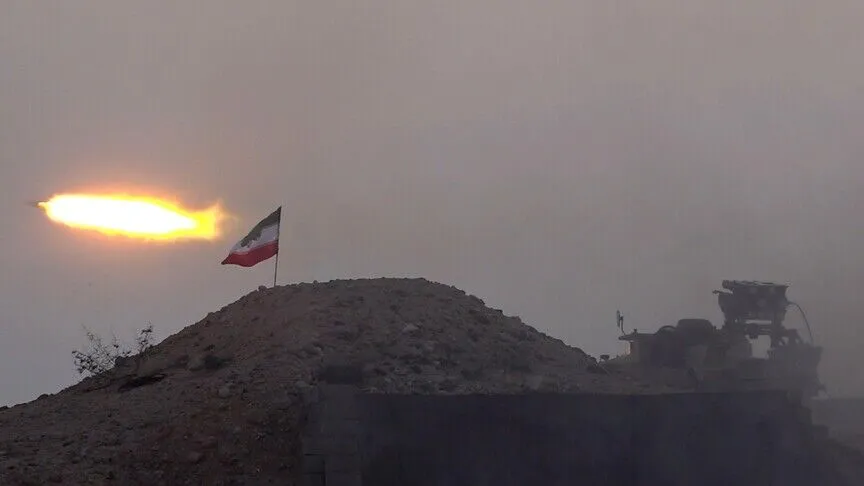
Iran’s Revolutionary Guards announced on Friday, July 17, 2026, they had struck U.S. Military aircraft stationed in Jordan with ballistic missiles and drones. The Guards stated these actions were in retaliation for overnight U.S. Strikes. Iran’s Islamic Revolutionary Guard Corps further reported targeting U.S. Radar systems and military aircraft in Qatar. This action was taken to “punish the aggressor” following the overnight U.S. Strikes on Iran, according to the IRGC. The Guards specifically noted their intent to “punish the aggressor” by targeting U.S. Radar systems and military aircraft in Qatar, a direct response to the American military actions. The IRGC’s official statement on Friday, July 17, 2026, confirmed these coordinated strikes against U.S. Assets in both Jordan and Qatar, showing the breadth of their retaliatory operations.
Seven people were killed in U.S. Attacks on bridges in Bandar Khamir, a port city in southern Iran, according to the Hormozgan University of Medical Sciences. Iran accused U.S. Forces of hitting civilian and energy infrastructure on Friday, including an airport, a railway station, and two bridges. State media reported at least eight dead and 20 wounded in these overnight attacks across the country. These strikes, which specifically targeted infrastructure in southern and western Iran, led to significant casualties, with eight people killed and 20 others wounded according to Iranian state media reports on Friday, July 17, 2026. The U.S. Military’s Central Command confirmed that its latest airstrikes, which concluded at dawn on Friday, July 17, hit dozens of targets, marking the sixth night in a row of American attacks against Iranian interests. The Central Command's statement noted that these dozens of targets were part of a sustained campaign, emphasizing the intensity and duration of the American military engagement in the region.
Context of Escalation
The United States expanded its airstrike campaign against Iran early on Friday, July 17, 2026, increasingly hitting bridges. Iran's Revolutionary Guards commander vowed Friday that Tehran would not halt its attacks in the region until the U.S. Stopped striking Iran’s southern coastline and the Strait of Hormuz. Iranian state media reported on Friday that overnight U.S. Strikes on infrastructure in southern and western Iran killed eight people and wounded 20 others. The ongoing U.S. Military operations have intensified, with the U.S. Military’s Central Command stating that it concluded its latest airstrikes at dawn on Friday, July 17, having hit dozens of targets. This marked the sixth consecutive night of American attacks against Iranian interests, signaling a significant escalation in the conflict.
U.S. Airstrikes on Friday appeared to have collapsed a tower at Iran’s Chabahar port on the Gulf of Oman, according to reports. The strikes in Iraq’s Kurdistan region killed eight members of an Iranian Kurdish armed opposition group on Friday. The attack was attributed to Iran, according to reports from the region. These incidents contribute to the escalating tensions in the area. A suspected attack by Iran on an Iranian Kurdish dissident group in northern Iraq resulted in the deaths of at least nine people on Friday, July 17, 2026. This incident further shows the volatile security situation in the broader region, illustrating the complex web of regional actors and interests involved in the current conflict.
Just three commodity vessels crossed the Strait of Hormuz on Thursday, July 16, 2026, marking the fewest daily transits recorded since May. This reduction in maritime traffic through the critical waterway suggests a direct impact of the heightened military activity and regional instability. The Revolutionary Guards commander's statement indicated a clear condition for de-escalation from Iran's perspective, linking the continuation of regional attacks to U.S. Actions against its territory. The commander emphasized that Iran’s regional attacks would persist until the U.S. Ceased its strikes on Iran’s southern coastline and the strategically vital Strait of Hormuz. The dramatic decrease in shipping traffic through the Strait of Hormuz, a critical global chokepoint for oil shipments, notes the severe economic implications of the ongoing military confrontations. The Iranian commander’s explicit linkage of regional attacks to U.S. Actions against Iranian territory indicates a calculated strategy aimed at leveraging regional proxies to deter further American aggression against its mainland and key maritime routes.
Regional Impact and Reactions
An Iranian attack caused damage to one of Kuwait’s power generation and water desalination stations, resulting in a fire and the disruption of numerous electricity generation units, according to Kuwait’s Ministry of Electricity, Water and Renewable Energy. The ministry stated that "One of Kuwait’s power generation and water desalination stations was hit in an Iranian attack, causing damage to facilities, a fire and the disruption of a large number of electricity generation units." Qatar’s Army announced on Friday, July 17, 2026, that it intercepted a missile attack, with debris from the falling missile injuring a child. This interception by the Qatari Army notes the immediate danger posed by the ongoing military exchanges to civilian populations in neighboring countries. In Iraq’s northern Kurdistan region, the U.S.-led coalition shot down several drones over Erbil, its capital, on Friday, July 17, 2026. A suspected Iranian attack on an Iranian Kurdish dissident group in northern Iraq killed at least nine people on Friday, July 17, 2026. These multiple incidents across the region indicate a broad geographical spread of the conflict's immediate effects, impacting several nations beyond the primary belligerents.
Iran’s Health Ministry reported on Friday, July 17, 2026, that at least 38 people had been killed and more than 400 injured across the country since fighting resumed with the United States. This significant toll on human life shows the severe impact of the renewed hostilities within Iran. The escalation has also impacted air travel across the region, leading to widespread disruptions for both passengers and cargo. The Health Ministry’s figures provide a grim assessment of the human cost within Iran, revealing the extensive casualties sustained since the resumption of hostilities with the United States.
Airbaltic cancelled flights to Dubai, with the suspension set to last until October 24. Similarly, Air Canada cancelled its flights to Tel Aviv and Dubai, also until October 24. Greece’s largest carrier, Aegean Airlines, suspended its flights to Dubai until August 31, and its services to Erbil and Baghdad until September 30. These cancellations by major European and North American carriers reflect the serious security concerns for commercial aviation operating in or near the affected zones. The decision by these airlines to halt services for extended periods indicates a cautious approach to passenger and crew safety amidst the ongoing instability.
Air France has announced the suspension of its Beirut flights, which will not resume until August 2. KLM also suspended flights to Riyadh, Dammam, and Dubai, with these cancellations in effect until July 15. Cathay Pacific has postponed the resumption of its West Asia passenger and freight services. Passenger flights to Dubai and Riyadh, originally scheduled to resume on September 1, have been pushed back and are now expected to restart on October 25 and October 26, respectively. These widespread flight cancellations and postponements indicate significant disruption to regional and international travel stemming from the ongoing conflict. The decisions by these global airlines to adjust their schedules reflect a collective assessment of heightened risk in the airspace over the Middle East. The extended duration of some of these suspensions, stretching into late October, suggests that airlines anticipate a prolonged period of uncertainty and potential danger, affecting both passenger and freight operations. The impact on air cargo, as noted by Cathay Pacific's postponement of freight services, points to broader economic ramifications beyond just passenger travel, potentially affecting supply chains reliant on air transport through the region. The full list of flight cancellations, including Airbaltic's suspension to Dubai until October 24, Air Canada's cancellations to Tel Aviv and Dubai also until October 24, and Aegean Airlines' suspensions to Dubai until August 31 and to Erbil and Baghdad until September 30, illustrates the profound and broad impact on global air travel. This extensive disruption shows the severity of the security concerns for commercial aviation operating in or near the affected zones, leading to substantial economic and logistical challenges for both travelers and freight operations.