From the archive
Qatar Airways Slashes Frequencies on Key US Routes for Winter 2026/27
Qatar Airways is reducing flight frequencies on four major US routes for the Northern winter 2026/27 season, including Atlanta, Boston, Los Angeles, and…
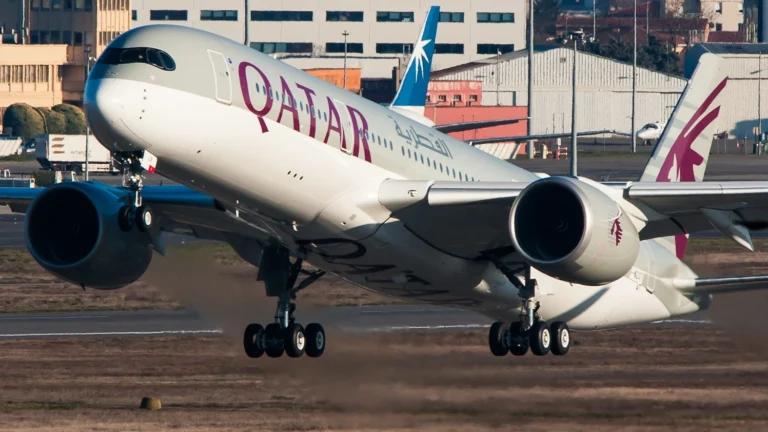
Qatar Airways has filed updated operational plans indicating reduced frequencies on several US routes from Hamad International Airport (DOH) for the Northern winter 2026/27 season. The trimmed service affects Atlanta (ATL), Boston (BOS), Los Angeles (LAX), and Miami (MIA). The revised schedule covers travel between 16 September 2026 and 24 March 2027. According to an initial filing dated 14 June 2026, the carrier will maintain lower weekly flights on these markets, rather than reinstating full daily service. Qatar Airways will continue operating fewer weekly flights on these four United States routes throughout the specified winter period. These adjustments are part of the airline's broader operational strategy for the upcoming winter season, which reflects a detailed assessment of market conditions and fleet utilization. The decision to hold lower weekly flights rather than returning to full daily service shows a measured approach to capacity deployment on these key international corridors.
Specific Route Cuts Detailed
Qatar Airways' revised schedule indicates a reduction in service for its Doha to Atlanta route, decreasing from seven to four weekly flights. This represents a significant adjustment to its presence in the southeastern United States. The airline deploys its Airbus A350-1000 aircraft for operations on this specific route, a modern widebody known for its efficiency and passenger comfort. Similarly, the Doha to Boston service will experience a frequency cut, moving from seven weekly flights down to four. This reduction impacts direct connectivity to the New England region. This route is typically served by the Airbus A350-900, another advanced aircraft in the airline's fleet, which is well-suited for long-haul operations.
The carrier's flights from Doha to Los Angeles are also slated for a reduction, with weekly services dropping from seven to four. This change affects a major gateway on the US West Coast, altering the direct flight options for passengers traveling between Qatar and Southern California. These Los Angeles flights are operated using the Airbus A350-1000, consistent with the airline's strategy of deploying its newest aircraft on key routes. For the Doha to Miami route, a smaller but notable cut is planned, reducing weekly frequencies from ten to seven. Despite this adjustment, Miami will still retain a strong schedule with seven weekly flights, maintaining strong links to the important South Florida market. The Miami service is also operated with the Airbus A350-1000 aircraft, ensuring a consistent passenger experience.
In summary, the Doha – Los Angeles (LAX) route is planned to operate with four weekly flights, utilizing the A350-1000 aircraft. Concurrently, the Doha – Miami (MIA) route is scheduled for seven weekly flights, also employing the A350-1000. These adjustments form part of the airline's operational changes for the Northern winter 2026/27 season, reflecting a strategic recalibration of capacity on these transatlantic and transpacific sectors. The consistent deployment of Airbus A350 variants across these routes notes the airline's preference for new-generation aircraft on its long-haul network.
Network Flight Schedules for North America
Qatar Airways has also outlined its planned operations for other key North American routes during the Northern winter 2026/27 season, providing a full overview of its strategy for the continent. The Doha – Chicago O’Hare (ORD) route is scheduled for one daily flight, utilizing the 777-300ER aircraft. This ensures consistent daily service to a major Midwestern hub. Dallas/Fort Worth (DFW) will see two daily flights from Doha, operated with the A350-1000. The double daily service to DFW shows its importance as a significant connecting hub within the United States. For the Doha – Houston (IAH) service, the airline plans one daily flight, also deploying the A350-1000. This maintains a strong daily connection to the energy capital of the world.
New York JFK (JFK) is slated for 18 weekly flights from Doha, which will be served by a combination of 777-300ER and A350-900 aircraft. This high frequency to New York City notes its status as a premier global destination and a critical market for Qatar Airways. The Doha – Philadelphia (PHL) route will maintain one daily flight, operated with the A350-900. This sustained daily service provides reliable access to the Mid-Atlantic region. San Francisco (SFO) will receive four weekly flights from Doha, with service provided by the A350-1000. This frequency for San Francisco aligns with the adjustments made to other West Coast routes, balancing demand with operational efficiency.
One daily flight is planned for the Doha – Seattle (SEA) route, using the 777-300ER. This daily connection serves the Pacific Northwest region. Toronto Pearson (YYZ) will also have one daily flight from Doha, operated with the A350-1000. This consistent daily service reinforces Qatar Airways' commitment to the Canadian market. Finally, the Doha – Washington Dulles (IAD) route is scheduled for 10 weekly flights, utilizing both the 777-300ER and A350-900 aircraft. The strong schedule to the US capital reflects its strategic importance. These adjustments reflect the airline’s broader operational strategy for the specified winter period, aiming to optimize its network and fleet deployment across North America. The detailed planning for each route demonstrates a nuanced approach to managing capacity and demand.
Aircraft Fleet Deployment
Qatar Airways relies on three widebody types across its North American network, strategically deploying them to match capacity with demand and route characteristics. The Airbus A350-1000 covers the largest share of routes within this network, demonstrating its versatility and efficiency for long-haul operations. This aircraft type is deployed on services to key destinations including Dallas/Fort Worth, Houston, and San Francisco, as well as the adjusted services to Atlanta, Los Angeles, and Miami. The A350-1000's advanced features and passenger amenities make it a preferred choice for these extended flights.
Additionally, the A350-900 and Boeing 777-300ER aircraft handle higher-density services, complementing the A350-1000's role. These include routes such as New York JFK and Washington Dulles, where passenger demand typically necessitates greater capacity and higher frequency. The Boeing 777-300ER, known for its large passenger and cargo capacity, is ideal for these high-traffic corridors. The A350-900, while slightly smaller than its A350-1000 counterpart, still offers significant capacity and is deployed on routes like Boston and Philadelphia, providing a modern travel experience. This fleet allocation strategy for the winter 2026/27 season notes the airline's operational planning for its North American operations, carefully matching aircraft capabilities with specific market requirements to ensure efficient and effective service delivery. The diverse fleet allows Qatar Airways to maintain flexibility in its network planning.
Future Schedule Adjustments
The listed frequencies reflect an early filing by Qatar Airways and may shift before the Northern winter 2026/27 season officially begins. Such early filings often serve as initial operational plans, subject to further adjustments based on demand, market conditions, or other strategic considerations by the airline. Airlines frequently refine their schedules closer to the operational season to account for evolving travel patterns, competitive landscape changes, and unforeseen circumstances. Passengers and industry observers are advised that these initial plans provide a snapshot of the airline's intentions but are not necessarily final. Qatar Airways will continue to monitor various factors to ensure its network remains optimized for efficiency and passenger service.