From the archive
National Honey Project Review Notes Agricultural Support in Qatar
The Ministry of Municipality reviewed Qatar's National Honey Production Project, noting its success in boosting local honey production and supporting…
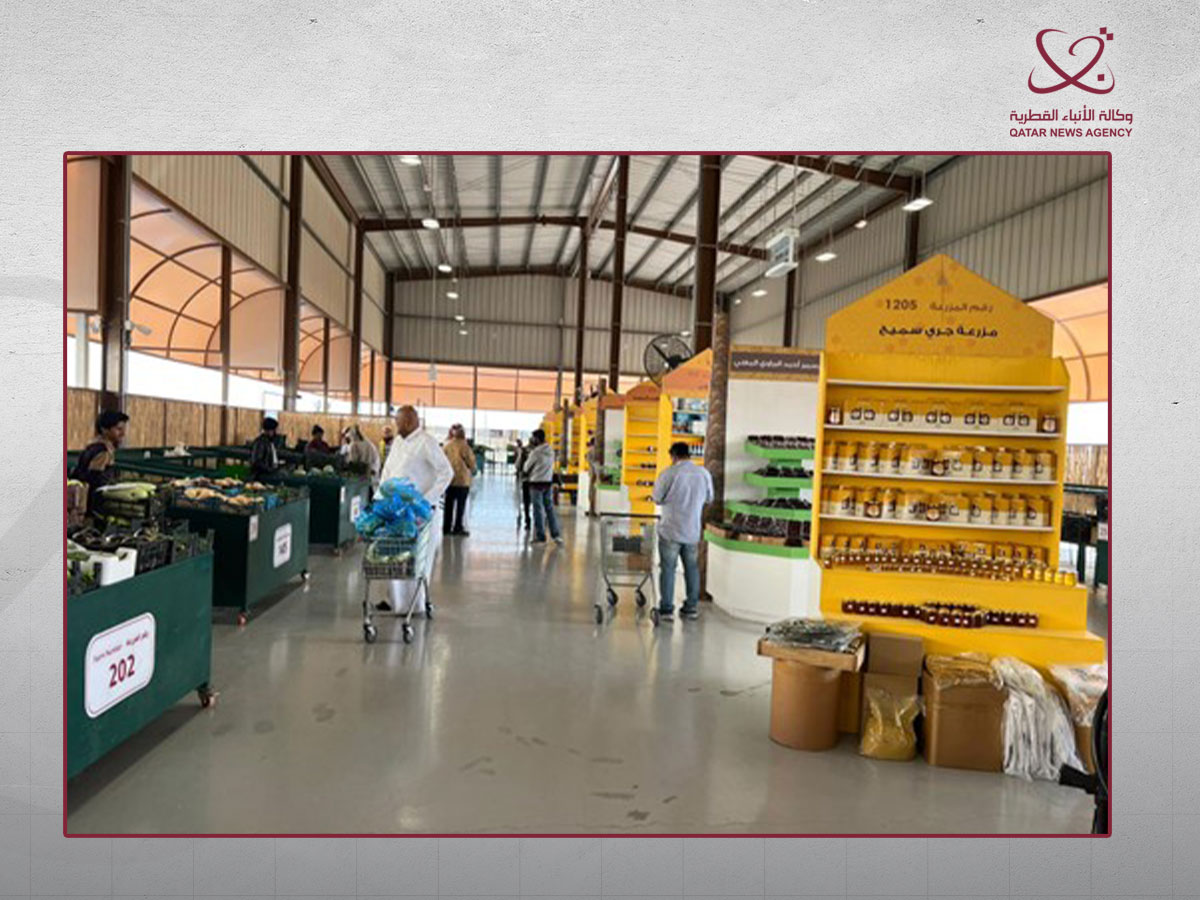
The Ministry of Municipality recently reviewed the achievements of the National Honey Production Project in Qatar. This full review focused on assessing the project's progress and contributions to date, showing its key role in the nation's agricultural landscape. Officials gathered in Doha to discuss the initiative's impact on agricultural support and local honey production, analyzing its effectiveness and charting its future course. The session aimed to evaluate the overall effectiveness and future directions for enhancing Qatari apiculture, reinforcing the commitment to bolstering domestic capabilities.
Project Milestones and Growth
The National Honey Production Project commenced in 2013, marking a significant step in bolstering local agricultural output and promoting self-sufficiency. Since its inception, the project has facilitated a substantial increase in the number of beehives across Qatar, showcasing remarkable growth. The count has grown from 1,650 beehives at the project's launch to approximately 3,600 beehives currently, representing a more than doubling of the initial capacity. This expansion notes the project's success in encouraging and supporting beekeeping activities across the country.
This initiative has extended its support to 165 Qatari farms, integrating them into the national honey production effort and providing them with essential resources and guidance. The collaborative work with these farms has led to an estimated annual production of about 21,600 kilograms of local honey, contributing significantly to the domestic market. The project’s expansion reflects its key role in enhancing domestic apiculture capacity and contributing directly to agricultural self-sufficiency and food security objectives within Qatar. This steady increase in production volume and participating farms demonstrates the project's tangible impact on the agricultural sector.
Support Mechanisms and Dimensions
The National Honey Project integrates economic, environmental, and awareness dimensions into its operations, ensuring a holistic approach to agricultural development. A key component of this initiative involves the production of virgin queen bees, which are vital for maintaining healthy and productive colonies. The Agricultural Affairs Department has consistently been producing an average of 250 such bees annually since 2015, ensuring a steady supply for participating beekeepers. This strategic focus on queen bee production is fundamental to the project's long-term sustainability and the genetic improvement of local bee populations.
Support for participating farms includes frequent engagement from agricultural experts, providing hands-on assistance and technical know-how. Engineers from the Agricultural Development Section conduct approximately 80 field visits each month to monitor progress, address challenges, and provide tailored guidance to farmers. These regular interactions are key for implementing best practices and ensuring the success of individual beekeeping operations. The project emphasizes public awareness, organizing an average of 8 major lectures annually to educate stakeholders and the wider community about apiculture and its numerous benefits, including its environmental role in pollination and its economic potential. These educational efforts aim to foster a greater appreciation for beekeeping and encourage more local participation.
Ministerial Endorsement and Future Outlook
The National Honey Project aims to support sustainable agricultural development and enhance the beekeeping sector and local honey production in Qatar, aligning with the nation's broader strategic goals. This initiative is designed to bolster domestic capabilities in apiculture, directly contributing to the nation's food security objectives by reducing reliance on imported honey. The project's strategy includes providing continuous support to local farmers, equipping them with the necessary tools and knowledge, and integrating advanced beekeeping practices to optimize yield and quality.
Officials anticipate that these concerted efforts will further increase the quantity and quality of honey produced within Qatar, strengthening the local market and providing consumers with high-quality domestic products. The long-term outlook for the project involves expanding its reach to more farms across the country and strengthening the infrastructure necessary for a thriving local honey industry, including advanced processing and packaging facilities. Continued investment in research and development within the agricultural sector, particularly in apiculture, is also a priority to ensure the project's sustained success and its contribution to Qatar's self-sufficiency goals. This forward-looking approach shows the Ministry of Municipality's commitment to nurturing a vibrant and productive agricultural sector.