From the archive
Trump Halts Iran Strike Amid Diplomatic Push, Negotiations Underway
President Trump halts planned military strike on Iran following appeals from Qatar, Saudi Arabia, and UAE leaders.
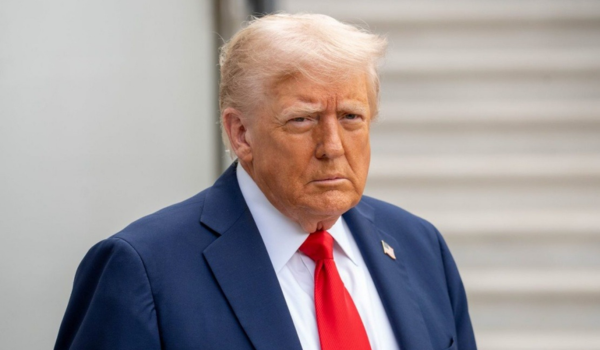
US President Donald Trump announced a postponement of a planned military strike on Iran following requests from the leaders of Qatar and the United Arab Emirates. President Trump stated he held off the strike after receiving appeals from Emir of Qatar Tamim bin Hamad Al Thani and UAE President Mohamed bin Zayed Al Nahyan. "US President Donald Trump has said he is holding off a planned military strike on Iran after requests from the leaders of Qatar, Saudi Arabia, and the UAE, as serious negotiations are now underway," President Trump confirmed. The decision indicates a diplomatic push to de-escalate tensions, with ongoing negotiations aiming to find a resolution. This move by President Trump to halt the planned military strike on Iran shows a significant shift towards diplomatic engagement in a highly volatile region.
Diplomatic Appeals Secure Pause
The planned military strike against Iran, which was initially scheduled for Tuesday, was put on hold. This postponement followed appeals from several regional leaders. Saudi Crown Prince Mohammed bin Salman Al Saud was among those who requested a delay in the military action. The diplomatic interventions from leaders including the Emir of Qatar Tamim bin Hamad Al Thani and UAE President Mohamed bin Zayed Al Nahyan, alongside the Saudi Crown Prince, led President Donald Trump to halt the planned operation. The combined efforts signaled a preference for de-escalation and a pathway for negotiations. These appeals showed a regional desire to avoid further military confrontation, allowing diplomatic channels to address the underlying tensions. The decision to pause the strike reflects a concerted push by key Gulf states to influence the United States' military posture towards Iran. The requests from these prominent regional figures noted concerns about the potential for broader destabilization if military action were to proceed, emphasizing the importance of dialogue in resolving the current impasse.
Negotiations Aim for Nuclear Deal
Serious negotiations are now underway following the halt of a planned military strike. Earlier on Monday, Iran communicated that it had addressed some U.S. Concerns regarding its negotiating position through Pakistani mediators. This communication from Iran signaled a willingness to engage in the diplomatic process and potentially bridge existing gaps. President Donald Trump indicated that a deal acceptable to the United States and countries across West Asia could soon be reached. He stated, "a deal acceptable to the United States and countries across West Asia could soon be reached." This optimistic outlook from President Trump suggests a belief that the ongoing talks hold genuine promise for a breakthrough.
The proposed agreement, according to President Trump, would ensure that Iran does not possess nuclear weapons. President Trump emphasized, "the proposed agreement would ensure that Iran does not possess nuclear weapons." This core objective remains central to the United States' negotiating position, aiming to prevent Iran from developing a nuclear arsenal. Despite the diplomatic efforts, President Trump warned that the U.S. Military remains prepared for action. He affirmed, "the US military remains prepared to launch a large-scale assault on Iran at short notice if negotiations fail." This statement serves as a clear message that while diplomacy is being pursued, military options are not off the table. President Trump also confirmed that he has instructed Defense Secretary Pete Hegseth and Chairman of the Joint Chiefs of Staff General Daniel Caine, along with the U.S. Military, to remain ready for immediate action if required. This directive shows the dual-track approach of intense diplomacy backed by a credible military threat.
Military Readiness Remains High
President Donald Trump warned that the U.S. Military remains prepared for action despite the diplomatic efforts. He stated, "the US military remains prepared to launch a large-scale assault on Iran at short notice if negotiations fail." This readiness posture is intended to exert pressure on Iran during the negotiation process and ensure that the United States can respond decisively if talks falter. President Trump also confirmed that he has instructed Defense Secretary Pete Hegseth, Chairman of the Joint Chiefs of Staff General Daniel Caine, and the U.S. Military to remain ready for immediate action if required. He affirmed, "he has instructed Defense Secretary Pete Hegseth, Chairman of the Joint Chiefs of Staff General Daniel Caine, and the US military to remain ready for immediate action if required." This directive emphasizes that while negotiations are underway, the potential for military intervention has not been removed. The continued high state of alert for the U.S. Military serves as a constant reminder of the stakes involved and the potential consequences should diplomatic solutions prove elusive.
Strait of Hormuz Significance
Iran has maintained control over the Strait of Hormuz, a critical maritime passage. This strategic waterway is essential for global energy markets. Its continued control by Iran shows its geopolitical importance in the ongoing regional tensions, affecting international shipping and global energy supply lines. The Strait of Hormuz is a vital waterway through which around 20% of the world’s oil and liquefied natural gas (LNG) transits. This significant volume notes the strait's indispensable role in global commerce and energy security. Any disruption in this narrow passage could have broad economic repercussions, affecting energy prices and supply chains worldwide. The ongoing control of the Strait by Iran adds a layer of complexity to regional dynamics and is a key factor in international considerations regarding stability in the Middle East.