From the archive
Pakistan, Qatar Leaders Discuss US-Iran Mediation Amid Regional Tensions
Pakistani PM Shehbaz Sharif and Qatari PM Mohammed bin Abdulrahman bin Jassim Al Thani met in Islamabad to discuss US-Iran mediation for lasting regional…
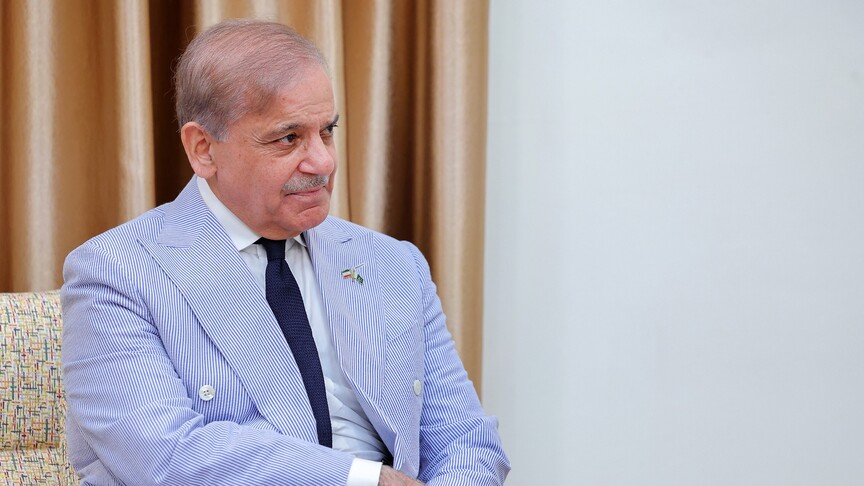
Pakistani Prime Minister Shehbaz Sharif and Qatari Prime Minister and Foreign Minister Mohammed bin Abdulrahman bin Jassim Al Thani discussed ongoing mediation efforts between the US and Iran for lasting regional peace. The leaders met in Islamabad to address the evolving regional situation, emphasizing the importance of diplomatic solutions to complex geopolitical challenges. A ceasefire, which took effect on April 8 through Pakistani mediation, was later extended by US President Donald Trump without a specified deadline, providing a temporary reprieve in the tense environment. "During our warm and productive exchange, we discussed the evolving regional situation and reaffirmed our shared commitment to supporting all ongoing efforts aimed at securing lasting peace and stability in the region," Prime Minister Sharif stated, showing the collaborative approach taken by both nations. He also conveyed gratitude to the Amir of Qatar, H.H. Sheikh Tamim bin Hamad Al Thani, for Qatar's "continued support for Pakistan’s sincere efforts to advance regional peace and stability, through dialogue and diplomacy." This exchange noted the deep diplomatic ties and shared vision for regional security between Pakistan and Qatar.
Regional Tensions and Mediation Efforts
Pakistan and Qatar continue to support mediation and dialogue efforts following months of heightened tensions linked to the conflict involving the US, Iran and Israel, as well as disruptions in the Strait of Hormuz. These tensions have created a volatile atmosphere, necessitating urgent diplomatic intervention. Regional tensions intensified significantly after the US and Israel launched strikes on Iran on February 28, marking a critical escalation point. Tehran subsequently launched retaliatory attacks, causing disruptions in the Strait of Hormuz, a vital maritime passage for global oil supplies. Despite these persistent efforts to de-escalate, talks in Islamabad failed to secure a lasting agreement, indicating the deep-seated nature of the conflicts. Since April 13, the United States has enforced a naval blockade targeting Iranian maritime traffic in the Strait of Hormuz, further escalating the situation in this critical shipping lane and raising concerns about potential wider repercussions. The ongoing disruptions show the fragility of peace in the region and the urgent need for sustained diplomatic engagement.
Pakistan's Diplomatic Role
Pakistan's army chief, General Asim Munir, recently visited Iran, an event that placed him in the spotlight amid ongoing regional dynamics and complex geopolitical maneuvering. General Munir's visit is viewed in the context of Iran's nuclear program and its complex relations with the United States, suggesting a broader diplomatic agenda aimed at fostering stability. This engagement shows Pakistan's continued diplomatic efforts in a region marked by heightened tensions and its willingness to engage with all parties involved. Pakistan's role as a mediator is key, given its strategic location and historical ties within the Islamic world. The country's commitment to dialogue and peace is a cornerstone of its foreign policy, particularly in navigating the intricate web of regional rivalries and international pressures.
Broader Geopolitical Context
The Strait of Hormuz remains a critical focus of regional discussions amid ongoing geopolitical complexities, serving as a choke point for a significant portion of the world's oil trade. The United States maintains a significant role in the region, with its relations with Iran, Pakistan, Saudi Arabia, and Israel frequently impacting stability and influencing the balance of power. These relationships are often shaped by historical agreements, security alliances, and ongoing negotiations, creating a dynamic and often unpredictable environment.
A key element in these discussions is the U.S. Iran nuclear deal, which continues to be a point of contention and negotiation among international powers, including the signatories and other concerned nations. The deal's status and potential renegotiation influence various diplomatic efforts and regional security considerations, as it directly impacts Iran's nuclear ambitions and the broader non-proliferation landscape. Pakistan and Qatar's mediation efforts are situated within this broader framework, aiming to de-escalate tensions and foster dialogue between key actors, ultimately striving for a more stable and peaceful regional order. Their diplomatic initiatives are vital in preventing further escalation and promoting a path towards sustainable peace.