From the archive
Pakistan, Qatar Propose 10-Day Iran-US Ceasefire to Revive Stalled Talks
Pakistan and Qatar propose a 10-day Iran-US ceasefire to revive stalled talks and prevent further escalation amid recent US airstrikes.
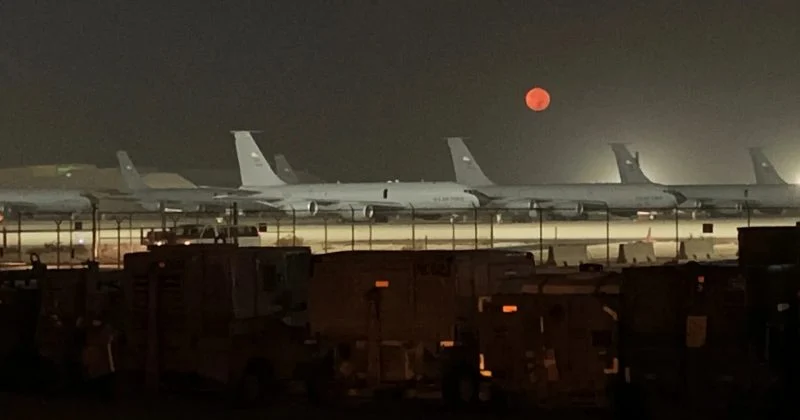
Pakistan and Qatar have jointly proposed a 10-day cessation of hostilities between Iran and the United States, aiming to revive stalled diplomatic talks. This diplomatic initiative, officially presented on Monday, comes as US forces recently conducted a ninth consecutive night of airstrikes targeting Iranian interests. The proposal from Islamabad and Doha seeks to create a critical window for de-escalation and dialogue amid heightened tensions. The sustained US military actions show the ongoing friction, making the proposed temporary ceasefire a significant diplomatic effort to prevent further escalation in the volatile region. Both nations are working diligently to facilitate an environment conducive to negotiations between Tehran and Washington, hoping a brief pause in military operations could pave the way for more substantive discussions and a longer-term resolution.
Diplomatic Overture Details
The diplomatic initiative from Pakistan and Qatar specifically urges Tehran and Washington to return to the positions they held before July 9. This proposed reversion aims to de-escalate current tensions and establish a baseline from which renewed discussions can proceed. The move follows a period of heightened military activity, which the joint proposal seeks to temporarily halt, thereby creating a conducive environment for dialogue and diplomatic engagement. The 10-day truce is specifically designed to provide an opportunity for efforts to restore the temporary agreement previously established between Iran and the United States, which has since faltered due to escalating actions.
Iran, for its part, has consistently based its negotiation stance on the principle of 'commitment for commitment'. This approach signifies Tehran's expectation that any concessions or actions on its part would be reciprocated by corresponding commitments from the United States. This principle has been a recurring theme in previous rounds of diplomatic engagements involving Iran, indicating a desire for a balanced and mutually beneficial framework for any future agreement. Tehran's insistence on this principle suggests that it views any unilateral concessions without reciprocal action as unsustainable for lasting peace.
Tehran has claimed full compliance with the Memorandum of Understanding (MoU) signed with Washington last month. This assertion suggests Iran's view that it has upheld its end of recent agreements, potentially setting a precedent for its willingness to adhere to future diplomatic arrangements if the other parties also fulfill their obligations. The MoU's details were not publicly disclosed but are understood to have been central to prior diplomatic efforts between the two nations, representing a previous attempt at de-escalation that the current proposal seeks to revive. Iran's public declaration of compliance serves to reinforce its position as a reliable, albeit cautious, negotiating partner, provided its counterparts demonstrate similar adherence.
US and Iran Exchange Accusations
The 10-day truce proposed by Pakistan and Qatar is specifically designed to provide an opportunity for efforts to restore the temporary agreement previously established between Iran and the United States. Iranian Foreign Ministry spokesman Esmaeil Baghaei confirmed on Monday that Tehran had received proposals and ideas from mediators aimed at reducing tensions. Baghaei stated, "I will not reveal the details at this stage," indicating the sensitive nature of the ongoing diplomatic efforts. He added that Iran reserved the right to respond to US attacks, noting, "Our armed forces continue to respond forcefully and target the sources of US aggression." This statement shows Iran's dual approach of being open to mediation while also maintaining a strong defensive posture in the face of perceived aggression.
US Secretary of State Marco Rubio stated Washington remained open to diplomacy, telling reporters, "The United States is always open to a diplomatic resolution. We have tried over and over again with Iran, and we will continue trying. If that door opens, we will be happy." However, Rubio also accused Iran of attacking ships and disrupting navigation in the Strait of Hormuz, a critical maritime chokepoint for global oil supplies. He remarked, "They continue to signal that they want dialogue and negotiations, but we are responding to their behaviour, which is launching missiles and drones at ships." Rubio further commented on Iran's economic situation in relation to its actions, stating, "I don't think that would be in Iran's interest. I mean, their economy is in terrible shape." This notes the US perspective that Iran's actions are destabilizing and counterproductive to its own national interests, despite its stated willingness for dialogue. The US continues to link Iran's economic struggles to its regional activities, suggesting that a change in behavior could lead to economic relief.
Regional Diplomacy and Visits
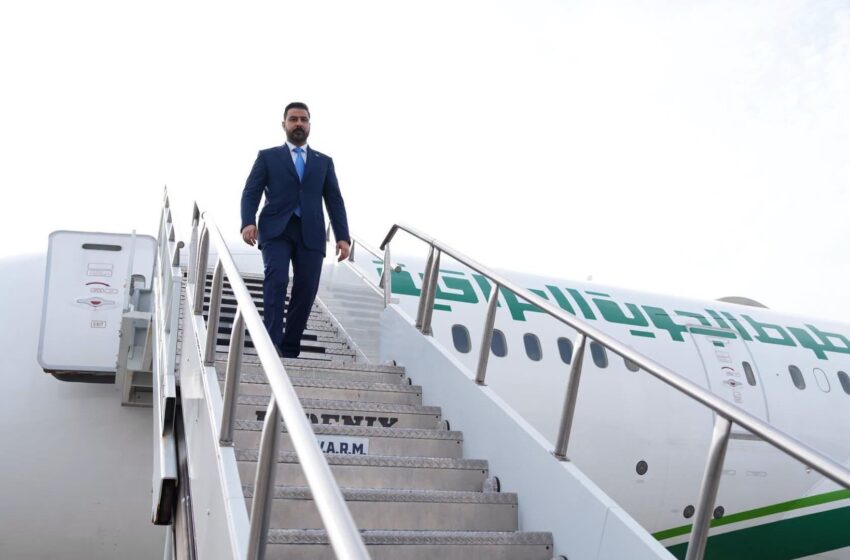
Qatar's Emir Sheikh Tamim bin Hamad Al Thani met with Turkish Foreign Minister Hakan Fidan in Doha on Sunday, engaging in discussions that show ongoing regional diplomatic efforts to ease tensions. The Qatari leader also held a meeting with Iraqi Prime Minister Ali al-Zaidi, further indicating a series of high-level consultations among regional actors aimed at fostering stability. These meetings reflect a concerted effort by regional powers to leverage diplomatic channels amidst the escalating Iran-US standoff.
Concurrently, Iranian Interior Minister Eskandar Momeni traveled to Islamabad on Monday, marking a significant visit to Pakistan. Momeni's visit to Pakistan is anticipated to concentrate on strengthening bilateral relations between the two nations, which share a long border and significant cultural ties. Key agenda items for the discussions include enhancing border security cooperation, boosting trade and transit initiatives, and exploring opportunities for agricultural collaboration to improve food security and economic ties. Iranian officials stated that this trip forms an integral part of President Masoud Pezeshkian's broader strategy to increase annual trade volume with Pakistan, aiming to elevate it from $3 billion to an ambitious target of $10 billion. This economic diplomacy runs parallel to the de-escalation efforts, showcasing a multi-faceted approach to regional engagement.
Following his engagements in Pakistan, Interior Minister Momeni is scheduled to travel to New Delhi. There, he is expected to participate in a BRICS meeting, which will bring together interior ministers and emergency officials to discuss disaster risk reduction strategies. This participation notes Iran's engagement in broader international forums beyond its immediate regional concerns. Iraqi Prime Minister Ali al-Zaidi is also slated to commence a regional tour later this week. His itinerary includes significant visits to Iran, Turkey, Syria, and Saudi Arabia, reflecting Iraq's central role in regional dynamics. Al-Zaidi will utilize these visits to emphasize Baghdad's firm determination to maintain neutrality and remain outside any emerging regional alliances, a delicate balancing act given Iraq's geographical position and historical ties.
Mediator Roles and Context
The joint ceasefire proposal from Pakistan and Qatar was officially presented on Monday. This initiative aims to de-escalate tensions between Iran and the United States, providing a 10-day window for a cessation of hostilities. The diplomatic push seeks to create a conducive environment for renewed dialogue, following a period of heightened military actions and reciprocal accusations. Both Islamabad and Doha are working to facilitate discussions, hoping this temporary pause can pave the way for more substantive negotiations between Tehran and Washington on a range of outstanding issues. The proposal's timing shows the urgency felt by regional mediators to prevent further escalation in the ongoing friction, which has the potential to destabilize the broader Middle East. Their active role notes the growing concern among neighboring states regarding the potential for wider conflict and the need for immediate, decisive diplomatic intervention.