From the archive
Pakistan Secures LNG Amidst Strait of Hormuz Tensions
Pakistan receives LNG from Qatar amid Strait of Hormuz tensions. A second cargo is en route, securing energy supply via a direct government deal.
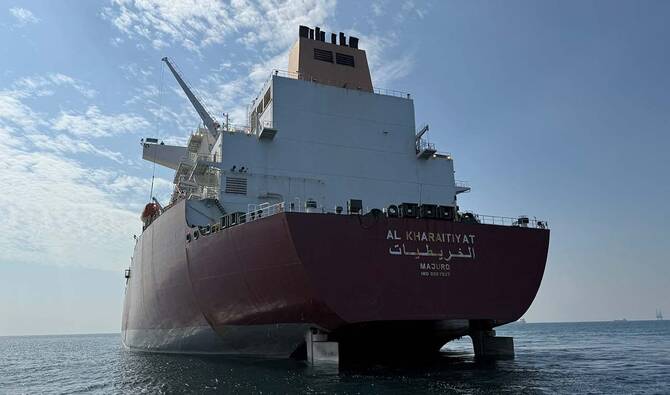
Pakistan has received one liquefied natural gas (LNG) cargo from Qatar, while a second is currently en route through the Strait of Hormuz. This critical energy supply is being facilitated under a direct government-to-government agreement between Qatar and Pakistan, showing the strategic partnership between the two nations for energy security. The vessel Mihzem, carrying 174,000 cubic meters of LNG, departed Ras Laffan, a major port in Qatar, and is sailing toward Port Qasim in Pakistan’s south. The Mihzem, with its substantial capacity, is a significant component of Pakistan's efforts to ensure a stable energy supply. This vessel is specifically expected to arrive at its destination on May 12, providing a timely boost to the country's energy reserves. The direct government-to-government deal with Qatar is a cornerstone of Pakistan's long-term energy strategy, designed to secure reliable access to vital natural gas resources.
Navigating Supply Disruptions
One typical LNG cargo contains 3 billion cubic feet (bcf) of natural gas, a substantial volume that is sufficient to meet Pakistan's energy needs for approximately 12 to 15 days. This notes the importance of each individual shipment for the country's power generation and industrial sectors. Previously, 100 percent of Pakistan’s LNG supply from Qatar had been impacted due to the closure of the Strait of Hormuz, a critical maritime chokepoint. The severity of the situation was showed when Qatar, a leading global LNG exporter, sent a potential Force Majeure indication on March 2. This formal notification signaled possible disruptions to its energy deliveries, prompting immediate concerns in importing nations like Pakistan. The potential for a complete halt in supply from such a major source represented a significant challenge to Pakistan's energy infrastructure and economic stability.
In response to these escalating supply challenges and the Force Majeure indication, Pakistan was compelled to suspend regasification operations at two key facilities by the end of March. These included the Engro Elengy Terminal Pakistan Limited (EETPL) and the Pakistan Gas Port Consortium Limited (PGPCL) terminals. The suspension of operations at these vital regasification plants noted the immediate and severe impact of the supply chain disruptions on the country's ability to process and utilize imported LNG. The move was a direct consequence of the uncertainty surrounding future LNG deliveries and the need to manage existing resources efficiently.
To address the urgent need for gas and mitigate the looming energy crisis, Pakistan LNG Limited (PLL) initiated a tender on April 23 to secure additional supplies from the international market. Through this competitive process, PLL successfully procured one cargo at a price of $18.4 per MMBtu, reflecting the prevailing market conditions and the urgency of the requirement. This critical LNG shipment was subsequently delivered to the PGPCL terminal on April 30, providing much-needed relief and helping to mitigate some of the immediate supply shortfalls Pakistan was facing. The successful procurement and delivery of this cargo demonstrated Pakistan's proactive approach to managing its energy security amidst regional instability.
Geopolitical Context and Impact
The broader geopolitical landscape has significantly influenced these energy supply dynamics. Iranian attacks in the Gulf, which commenced on February 28, resulted in a substantial 17 percent reduction of Qatar's liquefied natural gas (LNG) export capacity. These attacks have significant implications for global energy markets, as Qatar is the world’s second-largest exporter of LNG, playing a key role in meeting international demand. The damage incurred from these incidents is expected to sideline 12.8 million metric tons per year of Qatar's LNG export capacity for an estimated period of three to five years, according to industry assessments. This long-term reduction in capacity from such a major producer shows the lasting impact of regional hostilities on the global energy supply chain. The ripple effects of such a significant reduction in supply are felt worldwide, leading to increased price volatility and heightened concerns over energy security in importing nations.
The disruptions have prompted other regional energy producers to adapt their shipping strategies in innovative ways. Earlier this month, the UAE’s ADNOC successfully navigated two LNG tankers through the Strait of Hormuz after their tracking signals were reportedly switched off. This maneuver notes the heightened security concerns and operational adjustments being made by energy companies in the volatile region, as they seek to ensure the safe passage of their valuable cargoes. The Strait of Hormuz is a critical chokepoint for global energy shipments, with approximately one-fifth of the world's total oil consumption and a significant portion of its LNG passing through its narrow waters. Any instability there directly impacts the supply chain for natural gas, affecting importing nations like Pakistan, which rely heavily on these routes for their energy needs. The challenges faced by ADNOC and other operators show the complex and dangerous environment in which energy trade is currently operating.
Diplomatic Efforts and Future Outlook
Amidst these turbulent conditions, diplomatic efforts have played a key role in maintaining vital supply lines. The LNG tanker Al Kharaitiyat, with an impressive capacity of 211,986 cubic meters, successfully crossed the Strait of Hormuz using the Iranian-approved northern route and subsequently reached Pakistan. This vessel's safe passage shows the ongoing efforts to maintain supply lines and the importance of diplomatic engagement in facilitating energy trade. Meanwhile, the Mihzem, another LNG carrier, is anticipated to arrive at its destination on May 12, further contributing to Pakistan's energy security. Iran reportedly approved these shipments, a move said to foster confidence with both Qatar and Pakistan amidst regional tensions, indicating a potential de-escalation or at least a pragmatic approach to critical trade routes. This approval from Iran is a notable development, suggesting a willingness to facilitate essential commerce even in a strained geopolitical environment.
Since April 30, a consistent regasification rate of 260 million cubic feet per day (mmcfd) has been maintained, indicating a stable processing capability for the imported LNG at Pakistan's terminals. This steady rate is key for ensuring a continuous flow of natural gas into the national grid. A previous ship that docked in Karachi on April 30 continues its operations and is scheduled to supply gas to Pakistani power plants for an additional two days, providing a temporary but vital energy source. This ongoing supply from previously delivered cargoes helps bridge the gap until new shipments arrive. In a proactive measure to secure future energy needs and build resilience against potential disruptions, Pakistan LNG Limited (PLL) initiated another tender, which is slated for opening on May 11. This continuous tendering process is part of Pakistan's broader strategy to diversify its energy sources and ensure long-term energy security in an increasingly unpredictable global market. The consistent efforts in tendering, procurement, and regasification demonstrate Pakistan's commitment to overcoming its energy challenges.