From the archive
Prosecutors Withdraw Subpoenas to NYT Reporters After Judge's Scrutiny
Federal prosecutors withdrew subpoenas to New York Times reporters after a judge ruled they failed legal tests for such actions.
Prosecutors on Thursday agreed to unilaterally withdraw subpoenas that had been issued to New York Times reporters, marking a significant development in a case that drew sharp judicial criticism. Manhattan U.S. Attorney Jay Clayton signed the subpoenas, which targeted six Times reporters, one reporter's mother, and two reporters' spouses. The withdrawal follows a period of intense judicial scrutiny regarding the scope, necessity, and procedural integrity of the government's requests. This decision came after prosecutors initially resisted withdrawing the controversial subpoenas.
Legal Test and Judicial Rebuke
U.S. District Judge Arun Subramanian indicated that the government had failed to meet the Second Circuit's established test in New York Times Co. V. Gonzales. That precedent outlines a three-part test for issuing subpoenas to news media, which first requires confirmation that the desired information is "not obtainable from other sources." Judge Subramanian specifically noted that the government had made no attempt to confirm this key step, noting a fundamental flaw in their approach. "Am I wrong that the regulations and cases like Gonzales say that subpoenas are not the first thing you do? They are the last thing you do," Judge Subramanian asked during proceedings, directly challenging the prosecution's methodology. He emphasized that the New York Times Co. V. Gonzales precedent establishes a clear framework that prioritizes alternative information-gathering methods before resorting to subpoenas against the press.
Further scrutiny revealed that a government official had made a false claim in a sworn application for a nondisclosure order, asserting that the investigation was not public. This misrepresentation raised serious concerns about the government's candor with the court. The application also failed to disclose that the owners of the records sought were reporters, according to court discussions, further obscuring the true nature of the requests. Sean Buckley, a prosecutor and senior counsel to U.S. Attorney Jay Clayton, attributed the inclusion of reporters' relatives in the subpoenas to an "error" and a consequence of attempting to move quickly. Judge Subramanian directly challenged the prosecution by asking, "Is the government willing to withdraw the subpoenas?" The government subsequently agreed to withdraw the subpoenas, conceding to the judge's forceful questioning and the legal deficiencies pointed out.
Subpoenas and 'Mistakes'
Prosecutors relented roughly an hour into the hearing, despite initially refusing to withdraw the subpoenas issued to The New York Times reporters. This reversal came after Judge Subramanian's persistent questioning and clear indication of legal shortcomings in the government's case. The government described the subpoenas targeting reporters’ family members as a "mistake," acknowledging the inappropriate breadth of their demands.
Sean Buckley, who serves as senior counsel to U.S. Attorney Jay Clayton, claimed that the investigation involved a "substantial national security concern." Despite this asserted gravity, Buckley attributed the involvement of reporters' relatives to an "error" and a consequence of trying to move quickly. He stated, "That was an error. It was a consequence of trying to move quickly." He further indicated that prosecutors did not intend to involve the reporters’ relatives in the investigation itself, suggesting that their inclusion was an oversight rather than a deliberate tactic. The government called the subpoenas to reporters’ family members a “mistake,” attempting to distance themselves from the implications of targeting non-journalists associated with the reporters.
Broader Context and Precedent
Judge Arun Subramanian gave prosecutors two options: either withdraw the subpoenas or he would quash them, leaving no ambiguity about the court's stance. The judge also stipulated that the government must present any attempt to renew subpoenas directly to him before they are issued, establishing a protective measure for the reporters and their families. This directive ensures that any future attempts to compel information from these journalists will face immediate and rigorous judicial review. Judge Subramanian further invoked the possibility of considering sanctions for incorrect statements or misstatements made during the proceedings, showing the seriousness with which the court views accuracy and transparency from government officials. He had previously questioned the government's approach, stating, "Am I wrong that the regulations and cases like Gonzales say that subpoenas are not the first thing you do? They are the last thing you do," reiterating the established legal precedent for engaging with the news media.
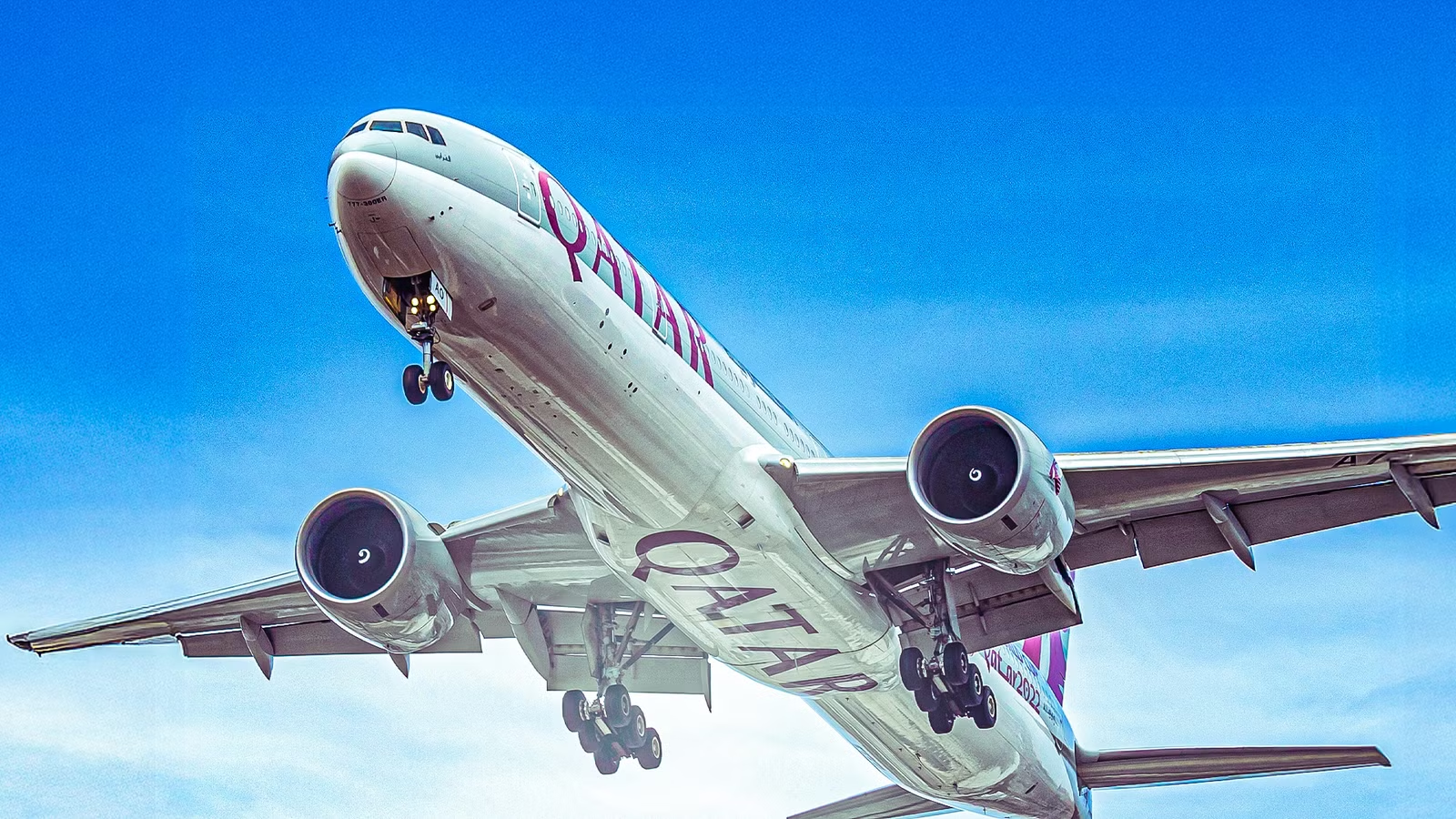
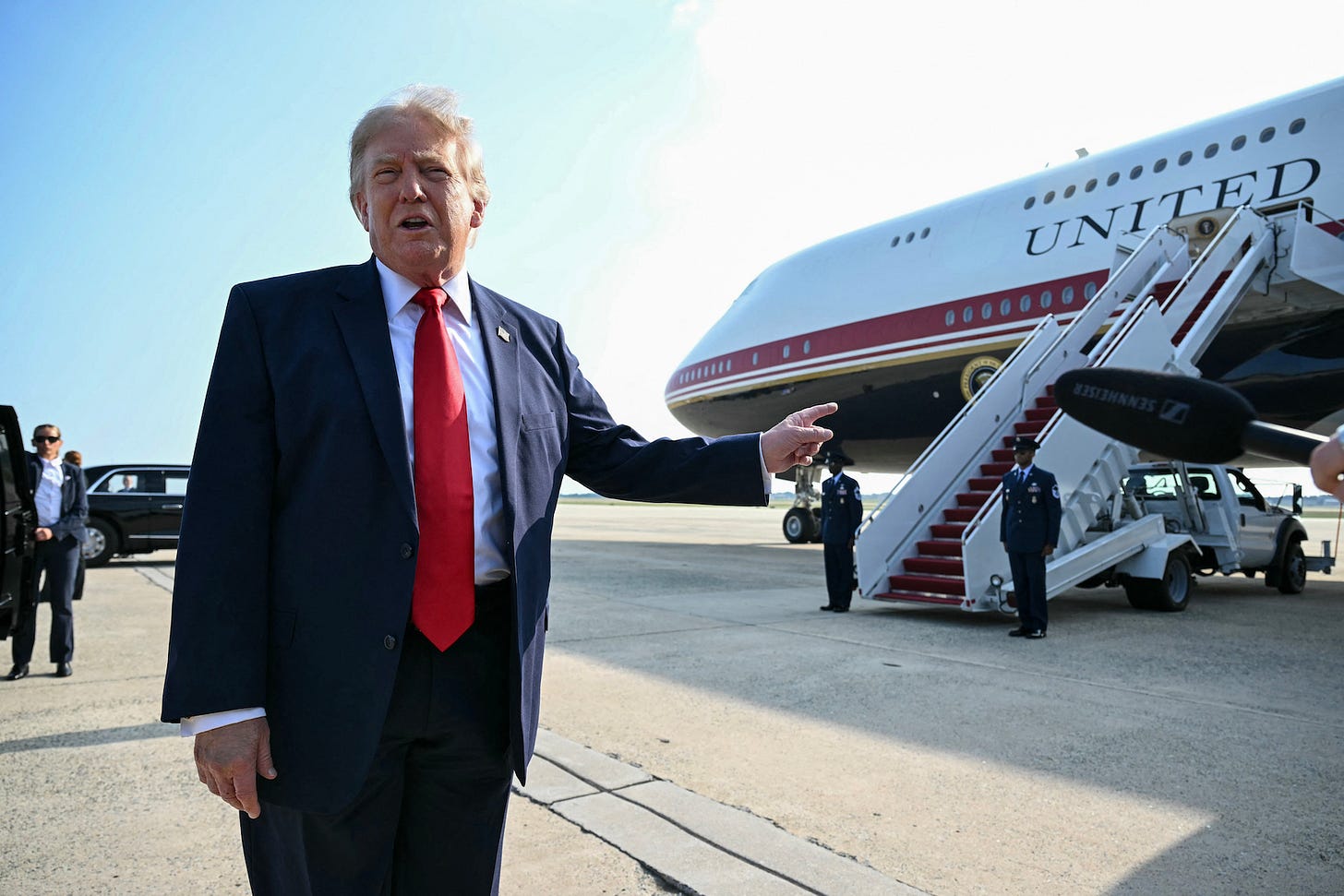
The subpoenas are understood to relate to a 2019 New York Times report. That investigation had uncovered details regarding former President Trump's travel arrangements, specifically concerning an incident in Ankara, Turkey. The New York Times reported that the U.S. Secret Service had compelled Mr. Trump to use Air Force One for a flight out of Ankara, Turkey, instead of a Boeing 747-8 gifted by Qatar. The Qatar-gifted plane reportedly lacked the defensive components necessary to protect Mr. Trump in a country bordering Iran, raising security concerns for the Secret Service. Mr. Trump later stated that the plane would be "maxed out" with upgrades, a process he claimed could cost taxpayers up to $1 billion. This incident, reported by The New York Times, appears to be the underlying subject of the government's now-withdrawn subpoenas, noting the tension between national security interests and press freedom in reporting on sensitive government activities. The judge's intervention reaffirms the critical role of the judiciary in safeguarding journalistic sources and practices against overreach by government agencies.