From the archive
Qatar and Indonesia Deepen Defence Ties with New Cooperation Agreement
Qatar and Indonesia sign MoU to deepen defense cooperation, covering military training, defense industries, and security coordination.
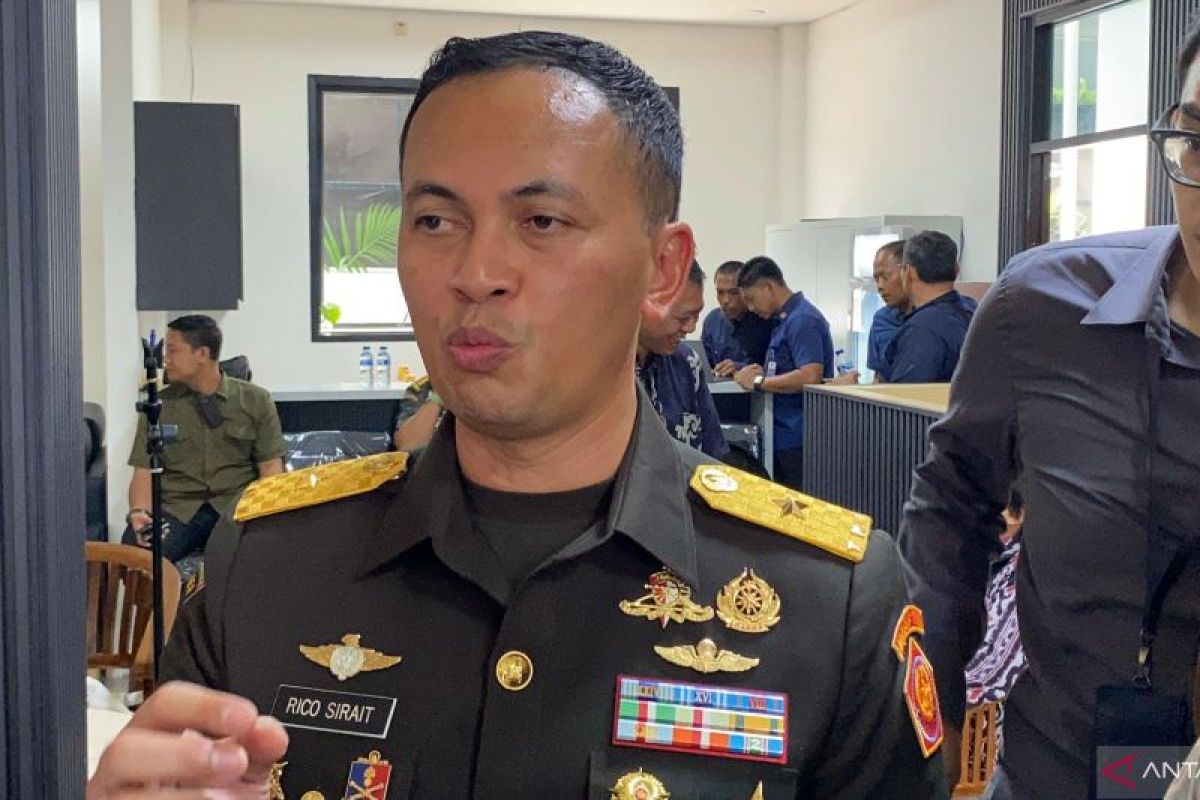
Qatar and Indonesia are advancing towards a broader defence cooperation agreement, encompassing military training, defence industries, and security coordination. This significant move signals a deepening of bilateral relations between the two nations, aiming to foster greater collaboration across various strategic sectors. Indonesian Defence Minister Sjafrie Sjamsoeddin confirmed that a memorandum of understanding (MoU) was signed between the two nations on Tuesday, paving the way for the full agreement. Minister Sjamsoeddin articulated the immediate objective and future aspirations, stating, "Although we are still in the process of drafting the defence cooperation agreement, we will sign an agreement today that paves the way for signing the defence cooperation agreement." This initial MoU is a key step in formalizing and expanding the scope of their defence partnership, establishing a clear pathway towards a more extensive and detailed cooperation framework.
Sheikh Saud bin Abdulrahman Al Thani held talks with Indonesian Defence Minister Sjafrie Sjamsoeddin on Tuesday, further solidifying the diplomatic efforts to advance this partnership. These discussions were key in outlining the contours of the proposed defence agreement and ensuring alignment on key objectives. Earlier, Sheikh Saud had met with Indonesian President Prabowo Subianto on Monday at Jakarta's Merdeka Palace, a high-level engagement showing the importance of these diplomatic exchanges. During this meeting, Sheikh Saud delivered a message from Emir Sheikh Tamim bin Hamad Al Thani, reinforcing the commitment of the Qatari leadership to strengthening ties with Indonesia. The meeting also provided an opportunity to review progress on a full bilateral memorandum of understanding that was originally signed in Doha in April 2025. President Prabowo welcomed the emir's message and reaffirmed Indonesia's steadfast commitment to strengthening bilateral relations across all domains, emphasizing the mutual benefits of such partnerships.
Expanding Military Partnership
Agreements covering joint military training, military education, and defence industries were formally signed by the defence ministries of Qatar and Indonesia. These agreements are designed to formalize and significantly expand collaboration between the two nations' armed forces, providing a structured framework for future interactions. The cooperation initiatives will involve personnel from both countries' armed forces and navies, ensuring a full and integrated approach to defence collaboration. This engagement is expected to facilitate extensive knowledge sharing, the exchange of best practices, and enhanced operational coordination in various military domains, from land forces to naval operations. The scope of this military partnership is broad, aiming to improve interoperability and mutual understanding between the defence establishments of Qatar and Indonesia.
Qatar and Indonesia launched a formal strategic dialogue in April 2025, marking a significant and forward-looking step in their bilateral relations. This dialogue mechanism is specifically designed to foster closer ties and deeper cooperation across multiple sectors, moving beyond traditional diplomatic interactions. The strategic dialogue encompasses a broad range of critical areas, including security, defence, and counterterrorism efforts, noting shared concerns and a commitment to address regional and global challenges collaboratively. Beyond military and security matters, the dialogue also covers vital aspects such as trade, investment, and cultural exchange, aiming for a truly full partnership that benefits both nations economically, socially, and strategically. This holistic approach shows the long-term vision for the relationship between Qatar and Indonesia.
Key Deals and Future Outlook
Discussions between Qatar and Indonesia centered on expanding military cooperation, enhancing training programs, and strengthening security coordination, alongside a thorough review of previously implemented agreements. This review process ensures that past commitments are being met and provides a foundation for future advancements. An earlier Memorandum of Understanding, signed in April 2025, had already established a key framework for intensified defence procurement, facilitated joint training exercises, and initiated strategic intelligence collaboration between the two nations. This foundational MoU laid the groundwork for the current broader defence cooperation agreement, indicating a progressive and well-planned escalation of their partnership. The focus on these areas reflects a shared understanding of the importance of strong defence capabilities and intelligence sharing in the contemporary security landscape.
Further solidifying their partnership and demonstrating tangible progress, Barzan Holdings, a Qatari defence and security company, signed procurement contracts valued at an impressive 8 billion Qatari riyals ($2.2 billion) with Indonesia's Ministry of Defence. These significant agreements were finalized during the prestigious Doha International Maritime Defence Exhibition and Conference (DIMDEX 2026), a prominent international platform for defence industry collaborations. The signing of these contracts represents a substantial step in defence industry collaboration, indicating a mutual commitment to enhancing defence capabilities through advanced technology and strategic procurement. This commercial dimension adds a powerful economic component to the burgeoning defence ties, fostering industrial cooperation and technology transfer. The scale of these contracts shows the serious intent of both parties to invest in a long-term defence partnership.
Strategic Context and Analysis
Abdullah Baabood, a keen observer of regional dynamics, believes the agreement between Qatar and Indonesia will primarily concentrate on military cooperation, training, the exchange of expertise, defence industries, and maritime security. This focus suggests a practical, capability-building approach rather than the formation of a traditional military alliance. Baabood commented that this agreement illustrates a broader trend among nations to develop diverse security partnerships that extend beyond established US-led frameworks. This trend reflects a global shift towards multipolar security arrangements, where countries seek to enhance their defence postures through varied bilateral and multilateral collaborations tailored to their specific needs and regional contexts. He stated that the cooperation is not expected to mirror specific existing models, suggesting a bespoke arrangement designed to fit the unique requirements of Qatar and Indonesia.
Baabood further elaborated on the nature of the anticipated agreement, distinguishing it from other regional pacts with different strategic objectives. "I do not think it will resemble the Saudi-Pakistani model," Baabood said, referring to a more traditional security alliance that often involves mutual defence commitments. He added, "The Qatar-Indonesia agreement is more likely to focus on military cooperation, training, exchange of expertise, defence industries and maritime security than on a mutual defence commitment or security umbrella." This perspective suggests a pragmatic emphasis on practical, operational collaboration aimed at enhancing individual and collective capabilities without necessarily entailing formal defensive obligations. The specific emphasis on maritime security notes shared interests in protecting vital sea lanes, combating transnational threats such as piracy and illegal fishing, and ensuring stability in their respective maritime domains. This cooperation is seen as a strategic move to enhance the defence capabilities of both nations and foster greater self-reliance in their security strategies, contributing to regional stability through strengthened national capacities.